Presbyterian groups often need church buses for presbytery meetings, synod events, General Assembly travel, and camp or conference center programs.
Overview: Presbyterian Denominational Conference Charter Bus Transportation
Presbyterian congregations plan church travel differently from many other faith groups because the calendar often runs through presbyteries, synods, General Assembly, and affiliated committees rather than a single centralized office. That means church passenger travel may involve elders, pastors, deacons, mission co-workers, and staff from more than one congregation, all of whom need a clear itinerary and one accountable coordinator. For denominational conference transportation, the vehicle choice should match the structure of the gathering, whether it is a presbytery training day, a synod assembly, or a larger Reformed theology conference. Presbyterian groups also often travel with printed materials, communion elements, choral folders, or mission displays, so church group transportation has to account for cargo as well as seating. Camp and conference networks such as Montreat, Massanetta Springs, and Ghost Ranch are especially relevant because they host many Presbyterian retreats, leadership events, and worship-centered meetings. When those destinations are involved, the broker should think like a ministry transportation partner, not just a point-to-point dispatcher.
Presbyterian coordinating bodies often expect a high level of order, which makes a detailed church bus plan especially important. Presbytery staff or event planners usually want one primary contact, one schedule, one load-in plan, and one driver brief that explains worship times, meal breaks, and overnight lodging. A church motorcoach can be the right fit for a General Assembly delegation or a regional denominational conference, while smaller church van rental or mini-bus options work better for committee teams and district-style gatherings. Many Presbyterian events also include mission presentations, committee sessions, and time for prayer or theological reflection, so the route should allow for on-time arrival without cramming the day. If the group is visiting partner ministries, a mission site, or a retreat campus, the driver should know whether the group will need to stage, unload once, or make repeated stops. For church coach planning, the most useful quote is the one that reflects the actual ministry rhythm of the trip rather than a generic charter estimate.
Church travel for Presbyterian groups also needs to respect the denomination's culture of shared governance and careful stewardship. That often means leaders compare options across church buses, mini-coaches, and church motorcoach service before they commit funds approved by session, committee, or presbytery leadership. Because many trips are tied to worship, study, and mission, the best church tour bus plan is one that keeps the group together instead of splitting passengers across multiple vehicles unless the headcount truly requires it. Groups headed to partner ministries, eco-spiritual retreats, or seminar-style events may also need flexibility for late-session departures, which makes driver communication important. Presbyterian planners should disclose whether the trip is for clergy only, a mixed-age congregation travel group, or a cross-church delegation from several sessions. Clear planning like this helps the broker match the right faith-based group transportation option to the event, the venue, and the group's ministry purpose.
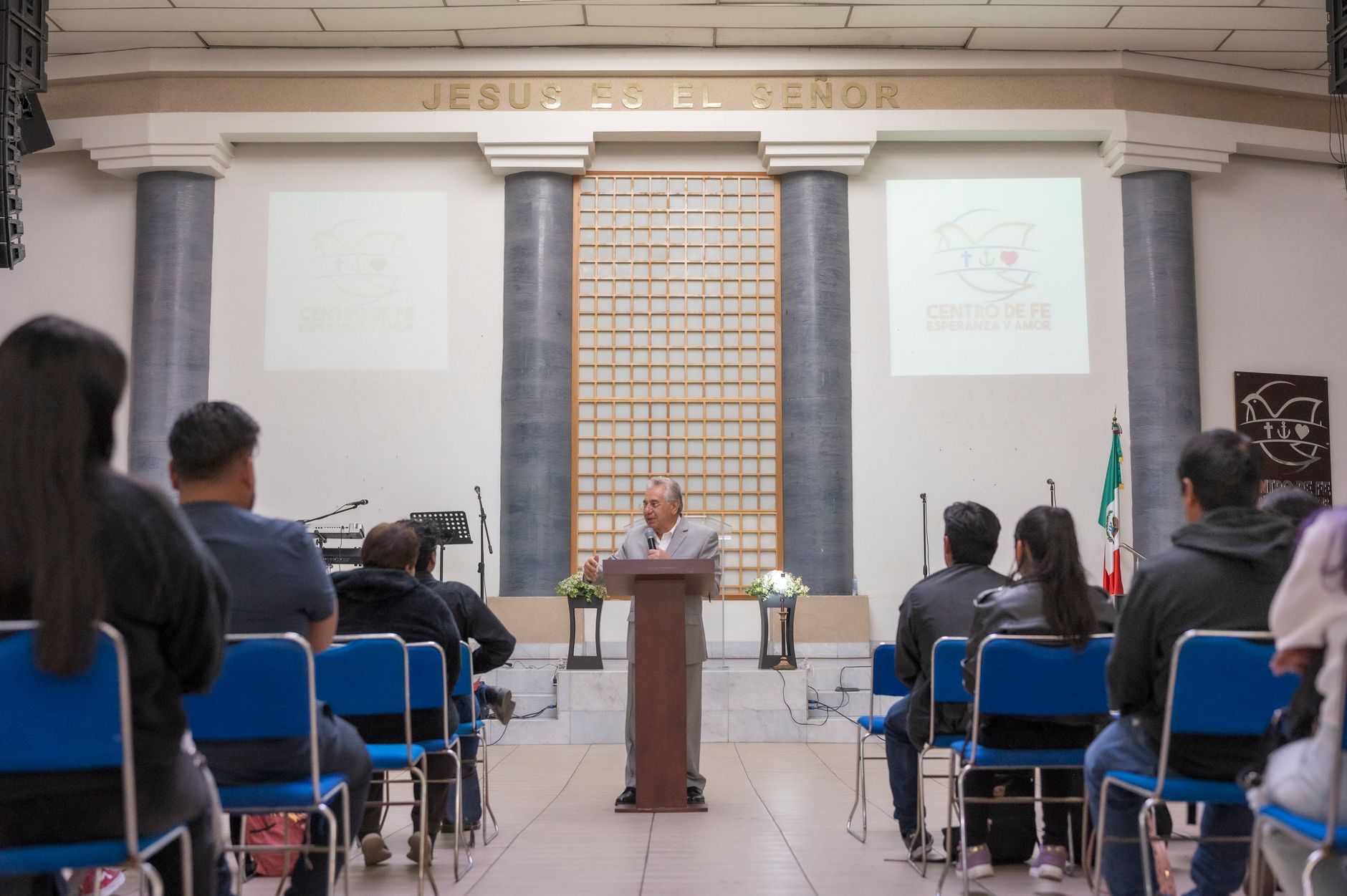
Fleet Options That Fit a Presbyterian Denominational Conference
Choosing the right church coach for a Presbyterian Denominational Conference starts with the actual headcount, but cargo and mileage matter just as much. A session retreat or small presbytery team may fit a church van rental or mini-bus, while a larger delegation usually needs a mini-coach or full church motorcoach for safer church passenger travel. If the group is carrying choir robes, communion materials, display boards, or mission tools, the bus must have enough storage without crowding passengers. For overnight ministry travel, comfort features such as reclining seats, climate control, and onboard lavatory service can make a major difference on a 3-7 day itinerary. Driver-hours compliance also matters, so the route must allow legal breaks and overnight rest for any long-haul church bus schedule.
| Vehicle | Seats | Best For | Notes |
|---|---|---|---|
| 15-passenger church van | 12-15 | Use it when a small Presbyterian group needs a simple church van rental for local or regional ministry transportation with minimal baggage and no large instruments or exhibit materials. The church van is usually the least complex option for short congregation travel or airport feeder runs too short for a larger coach assignment. | Best for a small committee, pastors conference pod, or a compact presbytery team with light cargo. Because the driver may need to avoid loading the back row with luggage, this works best for short church travel and lighter church group transportation needs. |
| 28-passenger mini-bus | 24-28 | Use it for medium-sized church passenger travel, presbytery committees, or a regional conference shuttle where the group wants one vehicle instead of two. It is often practical for church group transportation on shorter routes or city-to-retreat-center trips. | A strong fit when a Presbyterian session, choir, or mission team needs more room than a van but does not need a full church coach. It usually handles mid-sized luggage better than a church van, though comfort and storage are still more limited than a motorcoach. |
| 40-passenger mini-coach | 36-40 | Use it for mid-to-large Presbyterian church travel when the group needs better comfort for a full day or an overnight leg but does not quite fill a larger motorcoach. This is a common church bus choice for presbytery events and assembly travel. | A good balance for church buses serving a denominational conference delegation, choir, or multi-church faith-based group transportation plan. It gives more comfort and cargo room than a mini-bus while staying easier to stage at a camp or conference center than a full-size coach. |
| 57-passenger motor coach | 47-57 | Use it when a Presbyterian congregation, synod group, or General Assembly delegation wants one coach for the whole trip and expects long highway miles, baggage, and a more comfortable ride. This is usually the best fit for the largest church buses and the most demanding congregation travel schedules. | Best for large church motorcoach moves, statewide presbytery delegations, choir tours, and conference travel with significant luggage or ministry materials. It offers the most passenger comfort and cargo capacity for church tour bus service, especially on 3-7 day itineraries. |
Multi-Day and Multi-Stop Routing
Multi-day Presbyterian conference routing should be built around the actual daily cadence of the event, because a 3-7 day church travel plan often includes morning worship, long teaching blocks, committee meetings, and evening plenaries. Under DOT hours-of-service rules, the driver needs legal drive time, rest breaks, and overnight shutdown periods, so the route cannot be planned as if the bus were available nonstop. That matters especially for church buses going to mountain venues, retreat centers, or national gatherings where the schedule can stretch late into the evening. The broker should also plan realistic fuel, restroom, and meal stops so the passengers are not rushed before registration or worship. If the itinerary includes a transfer from airport to camp, or from hotel to conference hall, the move should be timed to avoid peak traffic and late-night arrivals. For ministry travel, the safest route is usually the one that leaves enough margin for weather, worship changes, and load-in delays.
On longer Presbyterian routes, the driver needs a proper overnight hotel plan if the itinerary keeps the church coach away from home base. That room should be near the host venue when possible, because late returns and early departures are common in congregation travel tied to conferences or assemblies. Fuel planning is also important when the route goes through rural or mountain areas, since not every stop is ideal for a full-size church motorcoach. Parking and staging at the host ministry should be confirmed before dispatch, especially if multiple church buses are arriving at once for the same denominational event. The planner should ask whether the venue prefers a looped shuttle, a single drop-off, or a parked coach that stays with the group all week. For Presbyterian faith-based group transportation, coordination with the host ministry often prevents the most common on-site delays: unclear loading directions, limited bus parking, and last-minute room changes.
What This Typically Costs
Presbyterian Denominational Conference charter bus pricing is usually driven by distance, trip length, vehicle size, and how many live days the coach or church bus stays with the group. In most markets, a one-day local church travel move is priced differently from a 3-7 day church group transportation itinerary that includes overnight days, driver lodging, and parking at the host venue or retreat center. Common line items include deadhead miles, live miles, tolls, driver overnights, and per-hour overages if the itinerary runs beyond the original quote window. Summer weekends, conference-season dates, and mountain routes to camp properties or retreat centers can cost more than off-peak weekday church passenger travel. A broker will usually ask for a deposit to hold the church coach, especially when the trip overlaps high-demand Presbyterian events. For budgeting, leaders should expect a range that can move from a few thousand dollars for shorter ministry travel to a significantly higher range for multi-day faith-based group transportation with multiple stops.
What Presbyterian Ministry Leaders Usually Ask
How far in advance should a Presbyterian church group reserve transportation for General Assembly or a presbytery event? This is especially important for summer conference seasons, Montreat programs, and other high-demand dates in the Presbyterian camp and conference network. Booking early helps secure the right church bus or church tour bus and gives the broker time to match driver availability with the route. For major denominational gatherings, leaders should try to confirm church group transportation as soon as dates and headcount are known, then finalize luggage and stops later. The earlier the reservation, the better the chance of getting the preferred vehicle and a workable rate for ministry transportation.
For a Presbyterian Denominational Conference, the best vehicle depends on whether the group is a single session, a presbytery delegation, a synod committee, or a whole-congregation team. Smaller ruling elder or committee groups often fit a church van rental or mini-bus, while larger church travel programs usually need a mini-coach or full church motorcoach. If the itinerary includes choral folders, communion supplies, backpacks, or mission tools, cargo space matters as much as seats. For overnight legs, a more comfortable church coach is usually better because Presbyterian conference travel often includes early starts, long worship blocks, and evening plenaries.
What luggage or cargo details matter most for Presbyterian ministry travel? Church groups often carry suitcases, hymnals, choir robes, backpacks, folding tables, display bins, and mission supplies, so usable storage is essential. If the group is bringing instruments, communion ware, or educational materials for a presbytery workshop, that needs to be disclosed before the church van rental or church coach is assigned. A full-size motorcoach usually has the best underfloor space, while a mini-bus may require tighter packing discipline. Clear cargo notes help avoid day-of delays and protect the comfort of the passengers.
Presbyterian groups should expect the itinerary to be built around long worship blocks, committee sessions, and shared meals rather than quick point-to-point travel. A good quote for church passenger travel will account for conference check-in times, presbytery arrival windows, and any side trip to a mission site or heritage location. If the trip includes Ghost Ranch, Massanetta Springs, or Montreat, mountain access and venue parking should be reviewed before dispatch. The broker should also confirm whether the host ministry wants drop-off only, staged parking, or a shuttle loop for congregation travel.
How should Presbyterian leaders handle the venue or camp center when arranging bus parking and arrivals? Host ministries such as conference centers, synod offices, or camp properties often have specific loading instructions, parking areas, and arrival windows. The coordinator should share the church group transportation schedule with the venue contact so the church buses are not forced to idle or circle on narrow roads. For places like Montreat, Massanetta Springs, and Ghost Ranch, terrain and access can affect turnaround space for a church motorcoach. Advance coordination also helps with room keys, baggage unloading, and any evening shuttle needs for congregational travel.
What driver-hour rules affect a 3-7 day Presbyterian conference trip? Interstate church bus and church coach service is governed by federal hours-of-service rules, so the route must allow for legal driving time, breaks, and overnight rest. This matters on multi-day church travel because even a well-planned ministry transportation schedule can run late if worship, meals, or plenary sessions shift. The broker should build in realistic drive windows, especially for long-haul church passenger travel to retreat centers or General Assembly destinations. If the driver needs a hotel, that cost and room location should be confirmed before departure.
What should a Presbyterian planner compare on the final quote? The most important checks are insurance, DOT number, vehicle type, live days, and whether the price is all-in or a la carte. Church leaders should also confirm whether deadhead miles, driver lodging, tolls, parking, and per-hour overage are already included. A clear quote helps sessions, committees, and church administrators approve faith-based group transportation without last-minute surprises. For presbytery or synod travel, transparency matters because budgets are often set well before the event date.
Yes, many Presbyterian groups combine worship, study, and service on the same trip, so the route should match the ministry plan rather than just the map. A church tour bus can handle a heritage stop, a mission partner visit, and a retreat center check-in on the same itinerary if the schedule is realistic. This is common for presbytery delegations, mission committee travel, and Reformed theology study groups that want a fuller church travel experience. The key is to keep the driving window within safe limits and to confirm whether the group wants a same-day return or an overnight church coach itinerary.
How early should a Presbyterian congregation reserve church buses for General Assembly?
What is the best vehicle for a Presbyterian Denominational Conference?
Do Presbyterian groups usually need special planning for camp and conference centers?
For most Presbyterian Denominational Conference trips, the safest fit is the vehicle that matches both headcount and cargo. A church van rental works for very small teams, while a mini-coach or church motorcoach is usually better for a presbytery delegation, choir, or multi-session conference group. If the trip includes instruments, display materials, or mission supplies, the bus should have enough storage for both people and freight. Comfort also matters on 3-7 day church travel because long worship days and evening programs make seat quality important.
Can a Presbyterian trip include a mission co-worker visit and still use a charter bus?
Yes, especially when traveling to places like Montreat, Massanetta Springs, or Ghost Ranch. These venues often have limited parking, mountain access issues, or fixed arrival windows, so the itinerary should be coordinated with the host ministry early. The driver may need to stage off-site or wait for a loading window if multiple church buses are arriving together. Sharing the schedule with the venue helps keep church group transportation efficient and keeps passengers from waiting curbside.
How to Book Your Denominational Conference
To book Presbyterian church group transportation, have the dates, pickup address, headcount, luggage or instrument load, and destination ready before you request a quote. If the trip involves a presbytery office, synod meeting, camp center, or General Assembly schedule, include those venue contacts and any arrival windows. A broker should usually turn around a quote within 4 business hours when the itinerary is complete enough to price. Before approving, check the insurance certificate, DOT number, vehicle class, and whether the proposal is all-in or split between base fare and a la carte items.
Related Church Transportation Pages
- Baptist congregations: Baptist Denominational Conference church bus
- Methodist congregations: Methodist Denominational Conference church bus
- Non-Denominational congregations: Non-Denominational Denominational Conference church bus
- Catholic congregations: Catholic Denominational Conference church bus
- Other Presbyterian church trips: Presbyterian Mission Trip charter bus
- Other Presbyterian church trips: Presbyterian Youth Retreat charter bus
- Other Presbyterian church trips: Presbyterian Choir Tour charter bus
- Other Presbyterian church trips: Presbyterian VBS Field Trip charter bus
- 57-Passenger Church Motor Coach (47-57 pax): Church bus specs, seating, cargo
- 40-Passenger Church Coach Bus (35-40 pax): Church bus specs, seating, cargo
- 28-Passenger Church Mini-Coach (20-28 pax): Church bus specs, seating, cargo
- 72-Passenger Church School Bus (60-72 pax): Church bus specs, seating, cargo
- 15-Passenger Church Van (10-15 pax): Church bus specs, seating, cargo
- Fleet overview: All church bus sizes and configurations
- Full services list: Every church trip type we run
- Free quote: 60-second church group charter bus quote