Catholic groups planning a Denominational Conference need dependable church bus service that keeps parish schedules, diocesan programming, and worship timing aligned.
Overview: Catholic Denominational Conference Charter Bus Transportation
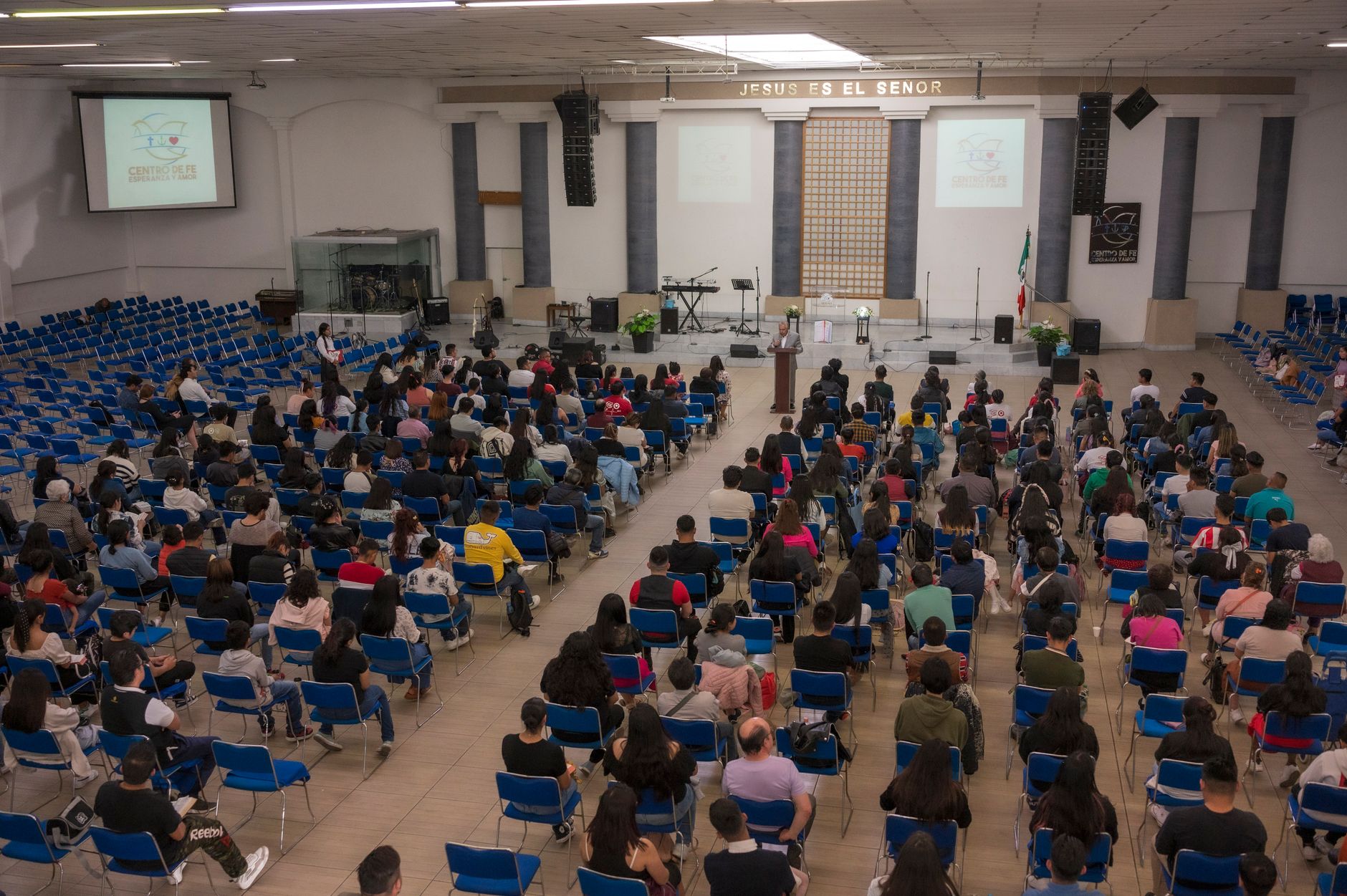
Catholic Denominational Conference transportation is usually organized around parish, diocesan, or archdiocesan leadership rather than a single congregation alone. That means the manifest may include pastors, catechists, youth ministers, parish staff, seminarians, choir members, and volunteer leaders from several ministries. A broker arranging church buses for Catholic groups should expect coordination with diocesan offices, Catholic schools, Newman centers, retreat houses, and sometimes pilgrimage ministries tied to a diocesan shrine or Marian devotion. Sacrament season also affects demand, especially when First Communion and Confirmation planning overlap with spring and early summer conference travel. For that reason, the best church travel plan is the one that keeps the group together, protects worship timing, and respects the event's ministry purpose. A church coach or church motorcoach also helps centralize check-in, prayer, and materials distribution before arrival.
Catholic groups often have more moving parts than a standard chartered outing because conference travel can be paired with liturgy, catechesis, service, and formation. A diocesan youth conference may need room for banners, sound equipment, retreat boxes, and name-tag materials, while an adult conference may involve parish stewardship teams, Catholic school staff, or social ministry leaders. When a parish sends multiple vans instead of one larger church bus, it is easier for people to miss a workshop, a Mass time, or a meal break. A larger vehicle also helps when groups are traveling from multiple parishes in the same diocese or archdiocese and need one clear departure point. Known Catholic partners often include retreat centers, camp networks, and campus ministry offices that already understand faith-based group transportation needs. This is why experienced church group transportation is as much about coordination as it is about the bus itself.
For Catholic congregations, conference transportation often follows familiar denominational structures such as dioceses, archdioceses, parish clusters, religious-order apostolates, and campus ministry networks. That structure matters because approval often comes from pastors, diocesan departments, or youth and young adult offices rather than a single trip leader. It also means the itinerary may need to support liturgical stops, sacramental preparation sessions, or a visit to a cathedral, shrine, or convent guesthouse. In many cases, the most efficient route combines church passenger travel with a local on-site shuttle pattern, especially when the host campus or conference hotel has limited bus loading space. Catholic ministries also tend to plan around retreats, servant-leadership weekends, and pilgrimages coordinated through diocesan offices or trusted Catholic travel partners. A well-run church van rental or church tour bus arrangement should make those handoffs simple for the parish or diocese managing the roster.
Fleet Options That Fit a Catholic Denominational Conference
For a Catholic Denominational Conference, the right vehicle depends on whether you are moving a small parish ministry team, a diocesan delegation, or a larger group from several parishes. A church van rental can handle compact rosters, but once luggage, choir gear, or mission supplies enter the picture, a mini-bus or church motorcoach becomes more efficient. For 3- to 7-day church travel, driver-hours rules, rest breaks, and overnight lodging for the driver should be part of the selection process from the start. Comfort also matters on longer legs between dioceses, retreat centers, and conference hotels, especially when the group includes students, elders, or sacrament-prep leaders. The goal is church group transportation that is safe, coordinated, and practical for ministry travel.
| Vehicle | Seats | Best For | Notes |
|---|---|---|---|
| 15-passenger church van | 12-15 | Use when the group is small, local, and carrying minimal gear for a short church travel run or parish-to-parish transfer. | Best for very small parish teams, priest and staff transfers, or a limited church passenger travel leg between the parish and a nearby diocesan event. Cargo space is tight, and once you add luggage, vestments, or ministry materials, a commercial driver and safety rules should be reviewed before assigning the route. |
| 28-passenger mini-bus | 24-28 | Use when a mid-size Catholic group needs church bus seating without stepping up to a full motorcoach. | Good for youth ministry, Confirmation groups, Newman center delegations, or parish clusters that need more seats and some storage. It balances comfort and capacity for congregational travel, but it may not be ideal for heavy luggage or long overnight runs with lots of cargo. |
| 40-passenger mini-coach | 36-40 | Use when the roster is moderate and the trip includes conference materials, instruments, or an overnight stay. | A strong fit for diocesan offices, Catholic school groups, choir travel, and multi-parish ministry transportation where passengers need more comfort and a stronger luggage plan. It handles longer routes better than smaller vehicles and is often a practical middle ground for church group transportation. |
| 57-passenger motor coach | 47-57 | Use when you need the highest capacity, the most baggage room, and the smoothest ride for a multi-day Denominational Conference trip. | Best for larger parish pilgrimages, archdiocesan delegations, Catholic youth conferences, and longer church coach itineraries with substantial luggage or service-project supplies. It offers the most comfort for long-haul church travel and is usually the best choice when the schedule includes multiple stops, rest breaks, and overnight mileage. |
Multi-Day and Multi-Stop Routing
Multi-day Catholic conference routing needs more than point-to-point driving because the vehicle often serves as both transport and staging space for ministry materials. Driver hours-of-service limits must be respected, so a route that looks simple on paper can require an extra rest stop, a relief driver, or an overnight break to stay compliant. When the itinerary spans 3 to 7 days, the broker should also plan where the driver will sleep, because driver overnights are often a separate cost and a practical necessity. Fuel stops, meal breaks, and restroom timing matter more when the group includes youth ministers, elders, or parishioners who are arriving for Mass or a keynote session. A strong church bus plan also leaves margin for city traffic, weather, and the slower boarding pace that comes with sacrament-prep groups or parish seniors. That is why church coach routing should always be built around the conference schedule instead of forcing the conference to fit the road.
On arrival, Catholic groups need bus parking instructions, unloading guidance, and a clear plan for where the church motorcoach will stage between sessions. The host ministry, retreat center, or conference venue should confirm whether the bus can remain on site, must move to overflow parking, or will need a timed return for the final event. If the trip includes a pilgrimage stop, Marian shrine visit, cathedral Mass, or service project, each leg should be timed so the driver can reset legally and the group can enter without rushing. Churches should also ask whether the venue has height restrictions, curbside loading rules, or designated arrival windows for faith-based group transportation. For bigger diocesan or archdiocesan events, coordination with the host office can prevent a bottleneck when several church buses arrive at once. A detailed routing sheet is especially important for church travel that mixes conference sessions with worship and fellowship activities.
What This Typically Costs
Typical Catholic Denominational Conference transportation is priced by trip distance, live-use time, and the number of overnight days, with longer pilgrimages and multi-stop diocesan itineraries costing more than a simple point-to-point transfer. In most markets, the quote will reflect deadhead miles, driver overnights, parking access, tolls, and any required layover time for parish, diocesan, or archdiocesan events. Off-peak weekdays generally price lower than summer weekends, especially when the schedule avoids youth conference peaks, First Communion season overflow, and major pilgrimage dates. Common line items include a deposit, a balance due before departure, and per-hour overage if the itinerary runs long. For church travel, a carrier may also price extra for luggage bay use, altar-server supplies, choir instruments, retreat materials, or mission-service cargo. The practical range is usually several thousand dollars for live use on a multi-day church coach or church motorcoach, with smaller church bus or church van rental options pricing lower when the route is shorter and the headcount is lighter.
What Catholic Ministry Leaders Usually Ask
How do we choose the right bus size for a Catholic conference group?
For a Catholic parish or diocese, the safest planning approach is to match the vehicle to the actual passenger count plus luggage, liturgical items, and any retreat or sacrament materials. A 20- to 40-seat church bus or mini-coach often works well for Confirmation groups, parish staff, Newman center delegations, or diocesan committee travel. If the itinerary includes choir robes, banners, coolers, or youth ministry supplies, the extra storage matters as much as the seat count. For multi-day ministry travel, ask for a coach with luggage space and a driver schedule that respects DOT hours-of-service rules. That keeps church passenger travel comfortable and compliant.
What logistics matter most for a Catholic Denominational Conference?
Most Catholic conference organizers should verify whether the host site allows bus loading zones, layover parking, and overnight motorcoach staging. Diocesan offices, archdioceses, parish clusters, and Catholic school systems often need those details before the final roster is settled. If the conference includes Mass, workshops, Marian devotions, or a pilgrimage stop, the routing has to protect timing around liturgies and meal breaks. A strong church group transportation plan will also account for drop-off order, accessible seating, and the return-departure window after the final session. That prevents last-minute congestion at the venue.
Should we use a charter bus instead of volunteer drivers?
For church travel, ask whether the operator provides a DOT-numbered, insured vehicle with a driver who has experience on overnight ministry transportation. Catholic Mutual and similar diocesan risk protocols often favor contracted commercial transportation over informal volunteer driving for larger groups and longer trips. You should also confirm whether the quote includes driver hotel nights when the itinerary spans multiple days. If the trip crosses state lines, the carrier should plan fuel stops, rest breaks, and route timing around federal driving limits. Those checks are standard for faith-based group transportation.
Is a church motorcoach better for overnight Catholic trips?
Yes, for most 3- to 7-day church events a chartered church motorcoach or church coach is the more practical choice. Volunteer vehicles can work for very small parish errands, but they are less suited to diocesan conferences, retreat centers, or pilgrimages with luggage and schedule pressure. A professional bus also reduces the burden on catechists, youth ministers, and parish staff who should be focused on the event itself. For Catholic youth conferences and Newman center trips, that reliability is especially valuable. It is also easier to keep the whole group together for prayer, meals, and site transfers.
What information should we send for a quote?
Most carriers ask for the date range, pickup address, destination, estimated headcount, and a rough luggage description before quoting. For Catholic groups, it helps to note whether you are carrying choir equipment, banners, vestments, sacramental preparation materials, or retreat boxes. If the itinerary includes multiple parishes, a diocesan office, or an archdiocesan stop, list each pickup in order. The more precise the itinerary, the better the routing and the fewer surprises on the final invoice. That detail is especially useful for church bus and church coach planning.
How do deposits and change fees usually work?
A deposit is typically required to reserve the vehicle, and the balance is often due before departure or shortly after final confirmation. Many quotes also distinguish between live-use hours, deadhead miles, and overnight driver costs, so ask whether the pricing is all-in or a la carte. For a church van rental or mini-bus, the deposit may be smaller, but the same documentation usually applies. If the trip changes after booking, expect adjustment charges for added mileage or extra time. Churches should review the cancellation terms carefully, especially for seasonal parish events.
Can one bus handle a conference plus pilgrimage stops?
Yes, many Catholic groups combine transportation for conferences with a pilgrimage stop, a Marian shrine visit, a diocesan cathedral Mass, or a service project. The best routing keeps sacred and logistical priorities together, so the coach can arrive early for liturgy and still leave room for meals and rest. When combining sites, be realistic about the driving time between the parish, retreat center, and conference venue. A single church tour bus can often handle that better than several separate vehicles. It also keeps congregation travel simpler for coordinators.
How to Book Your Denominational Conference
To book church group transportation, have your dates, pickup address, headcount, luggage or instrument load, and destination ready before requesting a quote. It also helps to note whether the trip involves a parish, diocese, archdiocese, Newman center, or pilgrimage stop so the routing matches the ministry plan. A good response is often returned within 4 business hours, though complex church travel with multiple pickups may take longer to price correctly. When the quote arrives, check the insurance certificate, DOT number, and whether the pricing is all-in or divided into a la carte items like deadhead miles, driver overnights, and extra hours.
Related Church Transportation Pages
- Baptist congregations: Baptist Denominational Conference church bus
- Methodist congregations: Methodist Denominational Conference church bus
- Non-Denominational congregations: Non-Denominational Denominational Conference church bus
- Lutheran congregations: Lutheran Denominational Conference church bus
- Other Catholic church trips: Catholic Mission Trip charter bus
- Other Catholic church trips: Catholic Youth Retreat charter bus
- Other Catholic church trips: Catholic Choir Tour charter bus
- Other Catholic church trips: Catholic VBS Field Trip charter bus
- 57-Passenger Church Motor Coach (47-57 pax): Church bus specs, seating, cargo
- 40-Passenger Church Coach Bus (35-40 pax): Church bus specs, seating, cargo
- 28-Passenger Church Mini-Coach (20-28 pax): Church bus specs, seating, cargo
- 72-Passenger Church School Bus (60-72 pax): Church bus specs, seating, cargo
- 15-Passenger Church Van (10-15 pax): Church bus specs, seating, cargo
- Fleet overview: All church bus sizes and configurations
- Full services list: Every church trip type we run
- Free quote: 60-second church group charter bus quote