See This Vehicle

Why Churches Book the Mini-Coach Bus
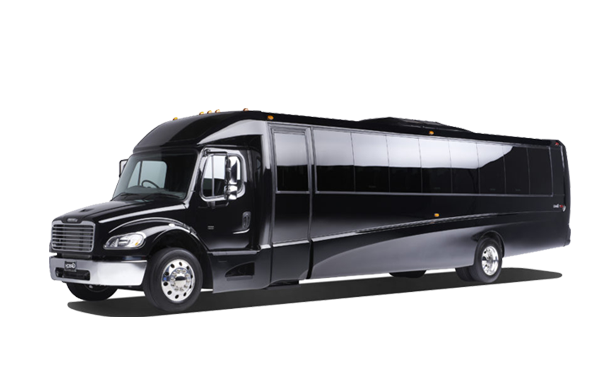
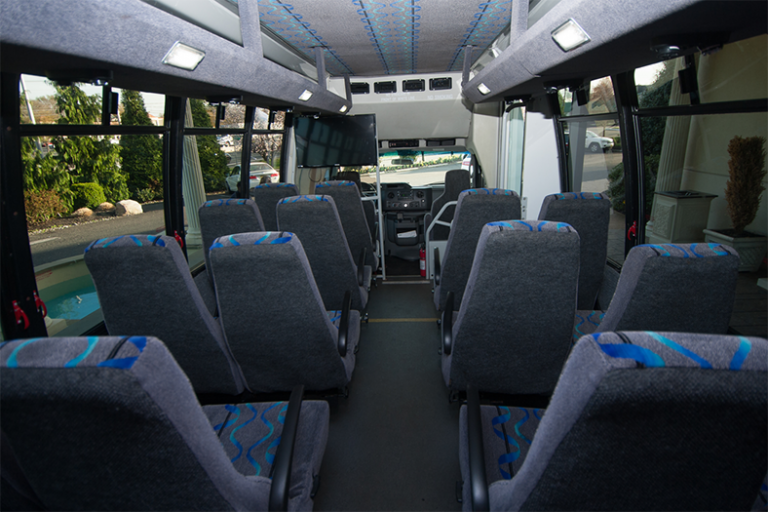
A 28-passenger church mini-coach is a strong middle-ground option for church group transportation because it gives small-to-medium congregations a more comfortable ride than a church van rental without the size and cost of a full church motorcoach. It is especially useful when the church bus needs to carry people who care about comfort, such as senior ministry riders, guests, and mixed-age fellowship groups. The premium seating, air-conditioning, and baggage space make the vehicle feel more intentional for church travel than a basic shuttle. For ministry travel, that matters because the vehicle often becomes part of the hospitality experience, not just the ride. Churches also appreciate that this size can handle real-world trip loads like snacks, folders, light luggage, and a few ministry supplies. In practice, it works well when the church wants a polished but efficient form of church passenger travel.
For senior ministry day trips, the 28-passenger mini-coach fits the way churches actually move people on the road. Seniors often prefer a cabin with easier boarding, better seats, and a quieter ride, and this size usually provides that without the intimidating scale of a larger coach. A typical day trip might include a museum visit, lunch, a worship stop, and a return home before evening, which is ideal for this vehicle category. Because the group is not overly large, the driver and trip leader can keep headcounts, restroom breaks, and meal stops organized with less stress. The onboard PA system is useful for prayer, announcements, and simple devotional moments between stops. If the church has walkers, handbags, snacks, and a few jackets, the luggage area can keep the aisle open and safe.
Youth group weekend trips are another natural fit for the 28-passenger church coach because the load mix is usually more complicated than just seats. A youth group often brings backpacks, sleeping bags, games, band equipment, Bible study materials, and snacks, so storage matters almost as much as seating. This size typically works best when the actual headcount is in the high teens to upper 20s and the church wants the students together in one vehicle. For church passenger travel, that can make chaperone management easier and reduce the chance of splitting the group across multiple vehicles. It is also a better guest experience than squeezing everyone into a church van rental for a long weekend. If the ministry routinely travels with more than 28 riders plus luggage, the next-size-up coach usually becomes the safer and more comfortable option.
Small choir tours often benefit from this vehicle because church choir travel usually involves more than people alone. Singers may carry garment bags, folders, small percussion, rehearsal binders, and personal luggage, which can quickly overwhelm a smaller shuttle. The mid-size cabin helps the group stay together while still leaving enough room for the driver to manage loading and unloading at churches, hotels, and performance venues. For faith-based group transportation, the touring windows and comfortable seating also help make regional travel feel more professional and less tiring. This category is particularly practical for one- or two-night itineraries where the group needs a mix of presentation, storage, and schedule flexibility. Under DOT-style coach planning, the key issue is not just seating capacity but duty time, route length, and rest breaks, especially on multi-day church trips. Churches should also remember that overnight itineraries can add driver lodging, parking, and live-day scheduling complexity, which is why this vehicle works best when the route is planned in detail before departure.
When to Choose the Mini-Coach Bus vs. Other Church Buses
Choose the 28-passenger mini-coach when your actual church headcount is roughly 18 to 28 passengers and you want a comfortable fit with room for bags. If the group is around 20 to 24 riders, the extra space usually feels generous and makes the ride better for seniors, guests, and chaperones. If the group is closer to 26 to 28 and carrying luggage, this size often becomes the most efficient option because it avoids a cramped cabin. The comfort math is simple: more seat cushion, more aisle usability, and less pressure to use a church van rental for a trip that has outgrown it. For day trips and weekend ministry travel, this is often the sweet spot between value and comfort.
Book the next-size-up church motorcoach when your real count is consistently above 28 or when the ministry has substantial luggage, large instruments, or extra service gear. Even if the headcount technically fits, a full coach may be smarter when everyone needs space to move, pray, or rest on a long route. The bigger vehicle also makes more sense for choir tours, retreat travel, and long-distance congregation travel where comfort directly affects morale. If you expect a late-night arrival, early-morning departure, or a route with multiple stops, extra space can make the experience noticeably better. In practical terms, if the group will feel packed once jackets, coolers, and bags are loaded, the larger coach is usually the better choice.
Choose the next-size-down church van rental or smaller shuttle only when the group is clearly under 18 and the trip is short, local, and light on baggage. That option can save money, but the tradeoff is reduced comfort, less storage, and a more basic ride experience for church travel. For Bible studies, local volunteer outings, or short airport transfers, the smaller vehicle may be enough. For senior ministry or youth events, though, even a seemingly small increase in comfort can matter over a few hours. As a rule, once the trip includes multiple bags, a meal stop, or more than one service site, the 28-passenger church bus usually becomes the better church group transportation choice.
Amenities on Every Mini-Coach Bus
- Premium seating — supports longer church travel days and keeps seniors, youth, and choir members more comfortable between worship sites and hotels
- Air-conditioning — important for summer church group transportation, especially for youth group weekend trips and senior ministry outings
- Luggage area — helps with overnight bags, coolers, diaper bags, and ministry supplies on multi-stop congregation travel
- PA system — critical for group prayer, announcements, devotionals, and keeping the whole church bus on the same schedule
- High-back seats — adds support for longer church coach rides and reduces fatigue on ministry travel
- Armrests — improves comfort for older adults and helps make church passenger travel feel more like a church motorcoach than a basic shuttle
- On-board storage — useful for hymnals, outreach materials, snacks, folding items, and choir folders
- Touring windows — valuable for scenic day trips, retreat travel, and sightseeing on church group transportation
- Quiet, mid-size cabin — creates a calmer environment than a church van rental and suits prayerful, reflective travel
- Ample baggage space — useful when a small choir tour or youth retreat needs extra room for instruments and personal items
- Easy step-in entry — practical for senior ministry riders, volunteer groups, and mixed-age church travel
Cost of a Mini-Coach Bus for Church Groups
Typical pricing for a 28-passenger church mini-coach is driven by distance, trip duration, and whether the vehicle is booked for a local shuttle, a same-day outing, or a multi-day itinerary. Costs also rise when the route includes live days, late-night service, multiple pickups, or significant deadhead mileage. Overnight trips usually add driver lodging, per diem, and possibly parking or toll expenses. If the church needs the coach to wait on-site during an event, standby time can increase the total as well. Peak weekends, holidays, and graduation season often tighten supply and can push pricing upward. If the ministry trip includes extra baggage, instruments, or complex load-in logistics, that can also affect the quote.
Other Church Bus Sizes We Run
- Large Motor Coach — 47-57 pax
- Medium Coach Bus — 35-40 pax
- Church School Bus — 60-72 pax
- Church Van — 10-15 pax
Popular Church Trip Types
- Baptist Mission Trip church bus
- Baptist Youth Retreat church bus
- Methodist Mission Trip church bus
- Methodist Youth Retreat church bus
- Non-Denominational Mission Trip church bus
- Non-Denominational Youth Retreat church bus
Ready to Book Your Mini-Coach Bus?
To book a 28-passenger church mini-coach, start with the trip dates, total headcount, pickup address, and final destination. Share whether the group is carrying luggage, instruments, coolers, or ministry materials so the operator can match the right church coach and storage configuration. If the itinerary includes multiple stops, overnights, or a long layover, include that up front because it affects driver planning and pricing. Most providers can turn around a quote quickly once they have the route, schedule, and any special loading needs. For the smoothest church group transportation experience, send the request as soon as the congregation travel dates are known.
Frequently Asked Questions
When should a church choose a 28-passenger mini-coach instead of a larger coach?","a":"Choose the 28-passenger mini-coach when your headcount is roughly in the low-to-high 20s and you want a better comfort-to-cost balance than a 35- to 56-passenger coach. If your actual count is closer to the upper 20s, the vehicle usually fits more naturally than a next-size-down bus that would feel crowded once luggage is loaded. For choir tours or senior ministry day trips, the comfort math improves because passengers are not packed tightly and the aisle stays workable. If the trip is multi-day or involves sleeping bags, instruments, or sermon materials, this mid-size format can outperform a smaller bus. Once the group consistently exceeds about 28 riders, the next-size-up is usually the safer choice for seating, storage, and fatigue reduction.
A 28-passenger mini-coach is often the right fit when the church group is too large for a church van rental but not large enough to justify a full-size church motorcoach. It works well for mixed-age congregations because it gives more comfort than a van while avoiding the empty seats and higher cost of a bigger coach. For youth group weekend trips, it usually fits a leader team, chaperones, and a moderate-size student count with room for bags. If the ministry is carrying choir folders, sound gear, or a few instruments, the extra storage is especially useful. Churches also like it for prayerful church passenger travel because the cabin feels more connected than a large bus.
Is a 28-passenger mini-coach good for youth group weekend trips?","a":"Yes, especially when the youth count is in the 18 to 28 range and the group is carrying backpacks, snacks, luggage, and event materials. The luggage area helps keep the cabin cleaner and less cluttered than a church bus with cargo stacked in seats. For weekend ministry travel, the PA system is useful for announcements, headcounts, and devotional moments on the road. The size also tends to be easier to coordinate for chaperones because students stay within a single, manageable cabin. If your youth group regularly grows beyond the high 20s, the next-size-up coach will usually be more comfortable."},{
Can a 28-passenger mini-coach handle senior ministry day trips comfortably?","a":"Yes. Senior ministry day trips are one of the best uses for this size because the seating is comfortable without being overwhelming, and the cabin is easier to board and exit than a large coach. Churches often choose it for museum visits, lunch excursions, scenic drives, and fellowship outings where mobility and comfort matter. The premium seating, armrests, and air-conditioning make longer church travel more pleasant for older adults. It also leaves room for walkers, light bags, or a few extra supplies without turning the trip into a cramped church van rental experience."},{
Can a small choir tour use a 28-passenger mini-coach?
Church choir groups often prefer this size because it fits singers plus a modest amount of luggage and music materials without the overhead of a much larger coach. The on-board storage and baggage space help protect folders, garments, and small instruments during church group transportation. For local or regional choir tours, the mini-coach can support a professional feel while keeping costs more controlled than a bigger church coach. If the choir travels with keyboards, risers, or multiple large cases, you may need to confirm cargo dimensions carefully. For a compact choir of around 20 to 26, this is often a very efficient fit.
What should churches know about DOT rules and multi-day service?"},{
For multi-day church travel, the main questions are luggage capacity, driver hours-of-service planning, and how many live days the vehicle will be on the road. A mini-coach can work well, but the itinerary must allow for rest breaks, driver duty limits, and realistic staging times at hotels and venues. If the church is doing back-to-back services, late arrivals, or early departures, you may need a second driver or a carefully structured schedule depending on the mileage and duty window. The vehicle can be a smart choice when the trip is not so large that a full church motorcoach is necessary, but the ministry still wants comfort and storage. Churches should also plan for hotel parking, overnight loading, and any instrument handling that will happen each day.
How is a mini-coach different from a school bus or church van rental?
The biggest practical difference is that a mini-coach feels closer to a compact church bus than a school bus, so it is usually chosen for comfort and ministry-friendly travel rather than student-transport simplicity. School bus-style quirks can include more basic seating and less luggage flexibility, while a mini-coach typically offers a better fit for church passenger travel with bags, devotionals, and snacks. Churches often prefer it because the ride feels more polished for guests, seniors, and visiting choir members. If the route is short and the group is very small, a church van rental may still be more economical. If the route is long, luggage-heavy, or event-centered, the mini-coach usually provides a better balance of space and presentation.