See This Vehicle

Why Churches Book the Medium Coach Bus
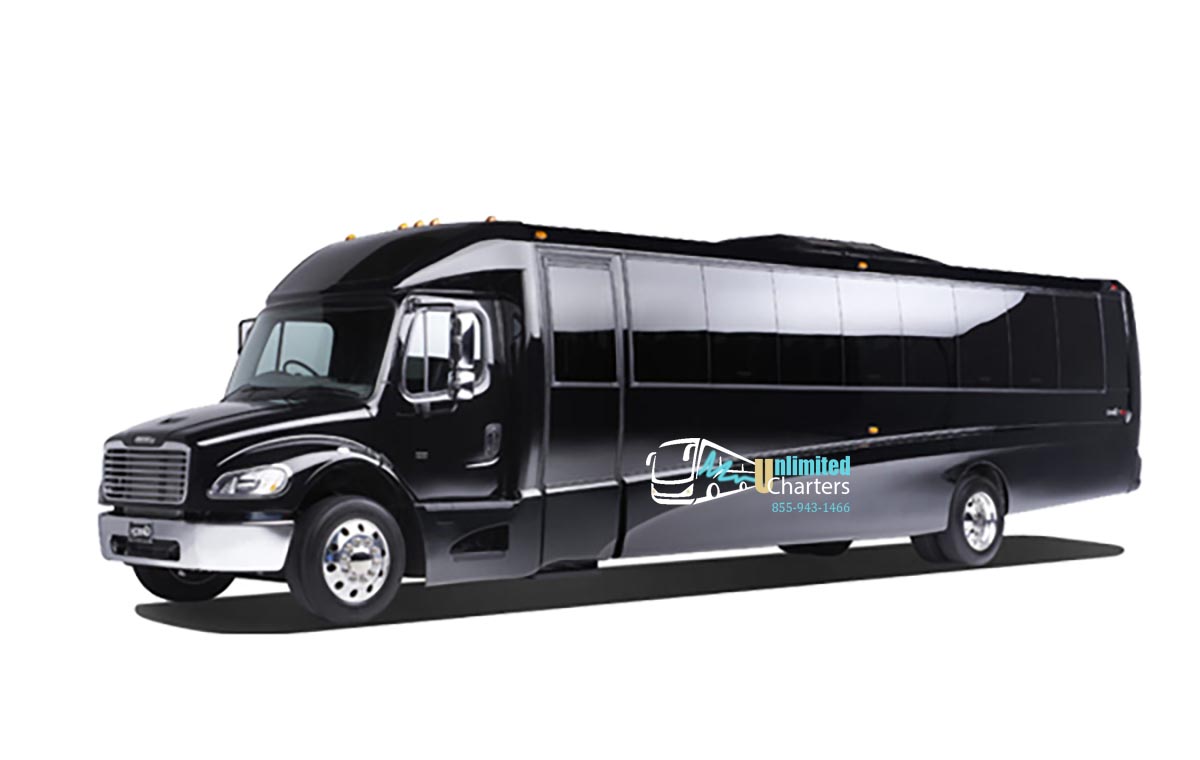
A 40-passenger church coach is a strong match for mid-size church groups that need one vehicle instead of splitting into several smaller units. It gives congregations a comfortable middle ground for church bus service, especially when the passenger list is large enough to justify a coach but not large enough to require a full-size motorcoach. Churches use this size for congregation travel to retreats, conferences, volunteer days, and regional worship events. The coach keeps the group together, which helps with check-ins, prayer, and arrival timing. It also reduces the coordination burden that comes with sending multiple church vans. For many ministries, that simplicity is just as valuable as the seat count.
For single-day mission-trip transport, the 40-passenger coach works well when the group is carrying people first and supplies second. A bus of this size can handle volunteers, boxed donations, and a modest amount of gear without feeling oversized for the route. That matters when the church is heading to a food pantry, cleanup project, or local outreach site and needs an efficient church motorcoach rather than a fleet of smaller vehicles. On short trips, the comfort features help passengers stay engaged, rested, and ready to serve. On longer day trips, reclining seats and climate control become important because ministry travel often includes early departures and late returns. Churches often prefer this format because it keeps the team unified from departure through debrief.
Adult ministry outings also fit this size well because the group often values comfort, easy conversation, and a calm ride. A 40-passenger church coach is usually easier to fill than a larger bus, which helps avoid paying for unused seats. It is a useful option for senior fellowship events, men’s ministry breakfasts, women’s conferences, and day tours connected to church passenger travel. If the trip includes devotional material, a PA system helps leaders share announcements and prayer without shouting over road noise. The luggage bay matters here too because coats, purses, coolers, and ministry handouts can quickly crowd the cabin. In practice, churches choose this size when they want a balance of space and stewardship.
For mid-size choir tours, the 40-passenger coach is often the right blend of seating and storage. Choirs need room for singers, garment bags, sheet music, and sometimes light audio or staging equipment. Overhead storage helps keep folders and personal items accessible, while a luggage bay handles the heavier pieces that should not fill the aisle. Churches planning multi-day choir travel should also think through driver hours-of-service rules, because commercial coach schedules must account for drive time, service stops, and duty limits. School bus quirks are less relevant here because a church coach is built for intercity comfort, long-haul seating, and baggage space rather than short shuttle routes. The real cost drivers are usually distance, time on the road, number of live days, and whether the itinerary requires an overnight driver layover.
When to Choose the Medium Coach Bus vs. Other Church Buses
Choose the 40-passenger church coach when your confirmed count is usually in the 28-40 range and you want everyone to ride together. That range leaves practical comfort padding for coats, carry-ons, and last-minute additions without overpaying for a much larger vehicle. If the group is consistently under about 25 riders, the coach can feel roomy but may be more bus than you need for routine church group transportation. In that case, a smaller church van rental or mini-coach may be more cost-efficient. If the riders include seniors, choir members, or adults who value a less crowded cabin, this size often feels more comfortable than a tighter small bus. The comfort math is simple: fewer people per row means fewer conflicts over bags, legroom, and aisle access.
Move up to the next size when your realistic turnout regularly exceeds 40, your gear load is heavy, or you need more breathing room for a long route. A larger church motorcoach makes sense for youth conferences, district gatherings, and multi-church events where headcount can rise quickly and seat padding matters. Churches also step up when they need more cargo capacity for suitcases, church supplies, or music equipment that would otherwise steal cabin space. For multi-day church travel, a bigger bus can reduce stress because there is less pressure to pack tightly and no need to compromise on aisle space. The key threshold is not just whether you can fit everyone, but whether you can fit everyone comfortably for the full trip. If the route includes several hours on the road, comfort becomes a ministry issue, not just a transportation issue.
Step down to the next size when your total passenger load is modest and the trip is local, short, or easy to split. For example, a smaller coach or church van rental can be a better match for a 15-24 passenger outing with minimal luggage. That choice is especially smart when the event is a short church bus shuttle, an in-town service project, or a quick church passenger travel run with little baggage. Smaller vehicles can be easier to park, easier to load, and cheaper to deploy if you do not need the extra seats. They can also be more practical when the route has multiple stops and the group does not need a full luggage bay. The right answer usually comes from matching real headcount and gear volume to the comfort level your congregation expects.
Amenities on Every Medium Coach Bus
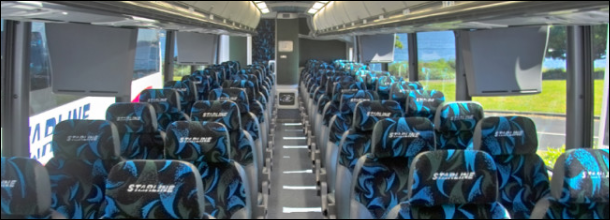
- Reclining seats — helps adults, seniors, and choir members arrive rested on longer church travel days.
- PA system — critical for group prayer, announcements, devotionals, and headcount checks over the road.
- Air-conditioning — keeps mid-size church groups comfortable in hot weather and on full-day ministry travel.
- Overhead storage — keeps Bibles, tote bags, hymn folders, and small ministry supplies out of the aisle.
- Luggage bay — useful for overnight bags, sound gear, retreat materials, and outreach boxes.
- Power outlets — supports phones, tablets, livestream gear, and itinerary updates during church passenger travel.
- WiFi — helps planners, worship leaders, and chaperones stay connected on longer congregation travel days.
- Video monitors — useful for sermon clips, worship media, or trip orientation content.
- Seat belts — add a safety margin for church group transportation, especially with mixed-age passengers.
- Wide aisle and easier boarding — helps seniors and mobility-limited riders move more safely on ministry outings.
- High-capacity climate control — improves comfort when the bus is at or near full load during church coach trips.
Cost of a Medium Coach Bus for Church Groups
Typical pricing for a 40-passenger church coach is driven by mileage, trip duration, live days, and seasonality rather than by the vehicle alone. Local church bus rentals are usually priced differently from regional church travel or multi-day congregation travel, and longer itineraries increase fuel, labor, and dispatch costs. If the coach must remain on standby between events, or if the schedule includes multiple service stops, the rate typically rises. Overnights add live-day charges, and driver lodging and meals are common pass-through costs on ministry travel. Special pickup windows, rural routing, tolls, parking, and detention time can also affect the quote. For church passenger travel with instruments, equipment, or extra bags, the need for a larger cargo allowance may push the bus selection toward a higher-cost configuration.
Other Church Bus Sizes We Run
- Large Motor Coach — 47-57 pax
- Mini-Coach Bus — 20-28 pax
- Church School Bus — 60-72 pax
- Church Van — 10-15 pax
Popular Church Trip Types
- Baptist Mission Trip church bus
- Baptist Youth Retreat church bus
- Methodist Mission Trip church bus
- Methodist Youth Retreat church bus
- Non-Denominational Mission Trip church bus
- Non-Denominational Youth Retreat church bus
Ready to Book Your Medium Coach Bus?
To book a 40-passenger church coach, start with your target dates, confirmed headcount, and pickup address so the operator can match the right vehicle and route. Share whether the trip is church travel, ministry travel, or an overnight retreat, and note any luggage, instrument cases, or supply boxes that need cargo space. If your congregation has seniors, youth, or mobility concerns, mention boarding needs early so the provider can recommend the best setup. Most quotes turn around faster when the itinerary is complete, including stops, service times, and return windows. Clear trip details usually lead to faster pricing and fewer surprises on church group transportation.
Frequently Asked Questions
How many people should a church bring before booking a 40-passenger coach?
For a mid-size adult ministry outing, a 40-passenger church bus is often the best fit when your actual turnout is likely in the 28-38 range. That gives you space for late sign-ups, jackets, handbags, and a little comfort padding without paying for a much larger coach. If your group is closer to the low 20s, a smaller vehicle may be more efficient. If you expect everyone to ride together and want room to breathe, this size is usually the sweet spot for church group transportation.
Is a 40-passenger coach good for a single-day mission trip?
Yes, for many single-day mission-trip transport needs, this bus is a strong fit because it balances capacity with maneuverability. It works well when volunteers are carrying light tools, boxed supplies, or boxed meals rather than heavy cargo pallets. If the team is hauling bulky service gear, ask about luggage bay space and whether a trailer is needed. For very small project teams, a church van rental may be more economical.
Can this bus handle a church choir with uniforms and music gear?
A mid-size choir tour is a classic use case because musicians need space for garment bags, music folders, and sometimes small audio gear. The coach seats enough singers to keep the ensemble unified while leaving some room for jackets and personal items in overhead storage. If the choir includes risers, keyboards, percussion, or large cases, cargo planning becomes just as important as passenger count. This is one reason many churches choose a church coach instead of multiple church vans.
What should churches know about driver hours-of-service on coach trips?
For most church coach trips, the vehicle is typically operated under federal hours-of-service rules that apply to commercial motorcoach service, which can affect how long the driver may remain on duty each day. That matters on retreats, conference shuttles, and any itinerary with early call times or late returns. Churches often discover that a schedule that looks simple on paper becomes more complex once loading time, meal stops, traffic, and unloading are counted. A good transportation plan builds in extra time so the driver stays compliant and the congregation stays on schedule.
When should a church choose a larger or smaller bus instead?
The next size up makes sense when your confirmed headcount is regularly above 40, when you need a lot of cargo room, or when you want extra comfort for long-distance ministry travel. The next size down is better when your real turnout is under about 25 and you do not need substantial luggage space. A 40-passenger coach is most efficient when the group is large enough to justify a dedicated church motorcoach but not so large that you need a full-size 50-plus seat charter bus. The best choice usually comes down to the number of riders plus the amount of gear they bring.
How does this bus work for a church retreat with overnights?
For multi-day church travel, the biggest planning issue is not just seats but live days, driver availability, and overnight logistics. Once the trip includes hotel nights, the charter quote often needs driver lodging, meal planning, and any deadhead mileage that occurs between locations. Churches should also confirm whether the luggage bay is sufficient for suitcases, cooler loads, and ministry materials. A 40-passenger coach can still be ideal for retreats, but only if the itinerary is mapped tightly and the provider understands the route.
Can a 40-passenger church coach move worship gear or instruments?
Yes, but only if the quoted coach has the right equipment and the operator is told in advance. Some 40-passenger buses have overhead storage and a rear luggage bay that are perfect for hand drums, sound cases, banner stands, and small worship-production items. If your church is moving keyboards, large speakers, or risers, cargo dimensions matter more than passenger count. In those cases, churches should request a detailed equipment list before confirming the bus.