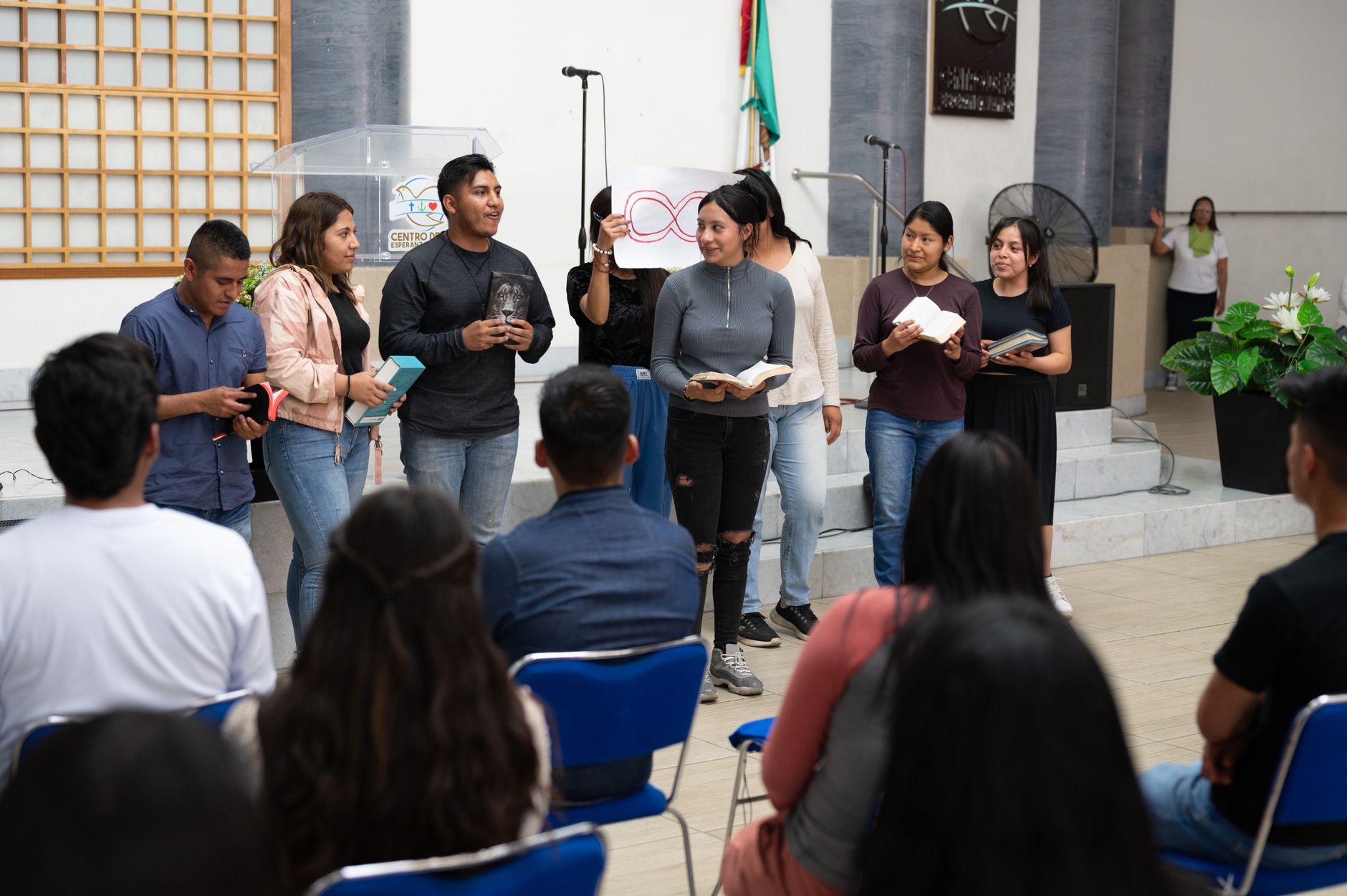
Pentecostal youth ministries often move as a full church family, with students, leaders, and worship teams traveling together for retreats, camps, and conference weekends.
Overview: Pentecostal Youth Retreat Charter Bus Transportation
Pentecostal youth travel is often organized through denominational and district structures, so the transportation plan should match how the church actually operates. Assemblies of God churches frequently move youth groups through district youth ministries, camps, Fine Arts Festival schedules, and General Council-related meetings, which means the bus plan needs to handle both worship gear and tight arrival windows. Foursquare congregations may coordinate around district events, connectional gatherings, and youth worship weekends, especially when several churches from the same region are traveling together. COGIC groups often move through jurisdictional, district, and convocation calendars, where large church passenger travel groups need reliable departure timing and room for formal attire, choir items, and conference materials. In all three settings, church buses are most effective when the broker understands that youth retreat transportation is really ministry transportation tied to the rhythm of the church calendar. That is why faith-based group transportation for Pentecostal congregations should be planned around the event, not just the mileage.
Pentecostal youth leaders usually need more than a simple passenger count because retreat travel often includes instruments, sound gear, banners, snack coolers, and mission project boxes. A church coach or church motorcoach is often the best fit when the group includes a worship team or Fine Arts participants, because those items compete with seating space on a smaller church van rental. For weekend retreats, the vehicle should also support prayer time, rest, and supervised conversation so the trip itself feels like part of the discipleship plan. Many Pentecostal camps and retreat centers are used to church tour bus arrivals, but the host ministry still needs exact arrival windows, staging instructions, and unloading expectations. If the event is linked to a district camp, youth convention, or worship-conference travel weekend, the broker should ask about quiet hours, check-in protocols, and whether the drivers need separate lodging. That level of planning makes church travel smoother for students, adults, and the host site.
Nationwide church group transportation for Pentecostal youth also has a timing pattern that matters for brokers. Friday afternoon departures and Sunday afternoon returns are common, but summer camps often stretch into weeklong stays that create different vehicle and driver needs. Assemblies of God district camps, Foursquare youth camps, and COGIC youth convocation schedules often include late worship services, altar ministry, and staggered meal times, so the route cannot be planned like a standard point-to-point shuttle. The most successful church passenger travel plans build in margin for traffic, prayer service overruns, and last-minute loading delays at the sanctuary. When a congregation is sending students from multiple campuses or pickup points, a church bus plan should also account for headcounts at each stop so no one is left behind. For that reason, church buses for Pentecostal ministries work best when the broker coordinates directly with youth pastors, camp directors, and the local church office.
Fleet Options That Fit a Pentecostal Youth Retreat
Choosing the right vehicle for a Pentecostal Youth Retreat starts with honest headcount, then moves to luggage, instruments, and ministry gear. A smaller church van rental can work for leader shuttles, but most weekend retreat groups need a mini-bus, mini-coach, or full church motorcoach once you count sleeping bags, suitcases, Bibles, keyboards, and media bags. For overnight church travel, comfort matters because students and adult leaders may be on board for several hours before and after services. The broker should also consider driver-hours rules, turnaround time, and whether the vehicle will be used again for return ministry transportation on Sunday afternoon. For weeklong summer camps, the safer choice is usually the largest church coach that still fits the venue's parking and loading setup.
| Vehicle | Seats | Best For | Notes |
|---|---|---|---|
| 15-passenger church van | 12-15 | Use this for short shuttles, overflow seating, or a small ministry transportation run with minimal bags and no large equipment load. | Best for small leader teams, airport transfers, or short church passenger travel when luggage is light. It is not ideal for heavy cargo, and the driver should still be properly licensed and covered under the operator's church travel policies. |
| 28-passenger mini-bus | 24-28 | Choose this for smaller retreats, sectional youth events, or day-and-night congregation travel with moderate baggage. | A strong fit for medium youth teams that need more room than a van but do not require a full-size coach. It can handle moderate luggage and lower-cost church group transportation, though comfort is still more limited than on a larger church coach. |
| 40-passenger mini-coach | 36-40 | Use this when your group is too large for a van or mini-bus but does not fully fill a 57-passenger coach. | A practical middle option for many Pentecostal youth retreats because it balances seating, cargo, and maneuverability. It works well for church buses that need space for instruments, coolers, and overnight bags without the size of a full motorcoach. |
| 57-passenger motor coach | 47-57 | Choose this for bigger Assemblies of God, Foursquare, or COGIC youth trips, especially when instruments, luggage, and ministry supplies are coming along. | Best for larger Youth Retreat groups, district camps, and church tour bus itineraries that include students, leaders, and substantial cargo. It offers the most comfort for overnight legs and is usually the easiest option for longer faith-based group transportation with multiple worship sessions. |
Multi-Day and Multi-Stop Routing
Multi-day Pentecostal retreat routing starts with the reality that a driver cannot keep stretching the day once the hours-of-service limit is reached. Even when the trip feels straightforward on paper, a long Friday afternoon departure plus Saturday worship sessions and a Sunday return can push the schedule into overtime if the group runs late at the host ministry. For that reason, church travel planners should map the drive in advance, identify likely rest stops, and decide whether the route requires a second driver or an overnight layover. If the trip goes to a camp or conference center, the church coach should arrive with enough buffer time for registration, unloading, and a quick walk-through of the site. Pentecostal groups also need to protect prayer and worship time, which means the route should not be so tight that the driver is forced to race the service schedule. Good church group transportation balances ministry priorities with legal driving limits.
Overnight logistics matter just as much as mileage on Youth Retreat itineraries. If the vehicle stays on site for two or three nights, the broker should confirm where the driver will sleep, where the bus will park, and whether the host ministry requires special access credentials. Fuel planning is also important because retreat centers may be far from major highways, and a large church motorcoach can lose time if the nearest fuel stop is a long detour. On-arrival parking should be checked before departure, especially for church buses arriving at camps, tabernacles, conference centers, or churches with limited lot space. Pentecostal leaders should also tell the host site whether the group is bringing a worship team, media equipment, or donation items so unloading can be staged properly. When the venue knows what is coming, church passenger travel becomes far easier for everyone involved.
What This Typically Costs
Pricing for Pentecostal Youth Retreat church group transportation is usually built around distance, live days, and how long the bus stays on standby for your ministry travel schedule. In most markets, a Friday-to-Sunday church bus or church motorcoach booking costs less than a weeklong summer camp because the live-use window is shorter and the itinerary is simpler. Costs can also rise when the trip includes driver overnights, deadhead miles, multiple load points, or a late-night return after the final altar service. Common line items include a deposit to secure the church coach, mileage or hourly minimums, per-hour overage if the schedule runs long, and lodging or meal handling for the driver on multi-day church travel. Off-peak weekdays and shoulder-season dates often price lower than summer weekends, especially for faith-based group transportation tied to camps, Fine Arts Festival travel, or revival conference weekends. When comparing quotes, leaders should ask whether the number is all-in or whether tolls, parking, and driver expenses are a la carte.
What Pentecostal Ministry Leaders Usually Ask
What vehicle size should we choose for a Pentecostal Youth Retreat?
For most Pentecostal Youth Retreats, the best fit depends on whether your group is staying local, carrying instruments, or traveling overnight. A 28-passenger mini-bus can work for smaller youth teams with limited luggage, while a 40- to 57-passenger church coach is better when you have students, leaders, band equipment, and ministry supplies. For Assemblies of God district camps, Foursquare Connection weekends, or COGIC youth convocation travel, the larger church bus often reduces the need for a second vehicle and simplifies check-in. The key is to match seats to real headcount plus cargo, not just the number on paper.
Can our youth ministry use a 15-passenger church van instead of a bus?
Yes, many Pentecostal groups use a church van rental for short hops, shuttle legs, or overflow support, but it is usually not the best primary vehicle for a full retreat. A 15-passenger church van fits small leadership teams, airport transfers, or local congregation travel when luggage is light. For longer church passenger travel, leaders should confirm driver qualifications, seat use policies, and cargo limits, since band cases, coolers, and luggage can quickly use up space. For most overnight youth retreats, a mini-coach or motorcoach is the more comfortable and practical ministry transportation choice.
How do driver hours affect a weekend Pentecostal Youth Retreat?
For a Friday-to-Sunday retreat, the biggest routing issue is driver hours-of-service and whether the trip can be completed safely without violating DOT limits. If your church tour bus is covering a long haul, the schedule may require a second driver, an overnight stop, or a route that breaks the drive into manageable legs. Pentecostal youth leaders should also plan fuel stops, rest breaks, and time for late worship or altar ministry so the driver is not forced to wait beyond the planned hours. Good church group transportation planning always builds in margin for prayer meetings, altar calls, and youth service delays.
What should we ask the retreat center about bus parking?
The most common fuel and parking issue is not the highway mileage itself, but where the church motorcoach will stage once it arrives. Many campgrounds, district retreat centers, and conference venues have limited bus parking, tight turns, or designated loading windows for church buses. For Assemblies of God Fine Arts Festival travel, COGIC Convocation overflow trips, or worship-conference travel, the broker should confirm on-site parking, bus height clearance, and whether the host ministry needs the vehicle moved between sessions. A clear arrival plan prevents last-minute rerouting and protects your church travel schedule.
How early should we book for a summer Pentecostal camp?
Yes, because summer camp departures often overlap with other church travel, especially across districts, associations, and state youth offices. Pentecostal ministries should reserve early for June through August, when church coach inventory is tighter and rates are usually higher than off-peak weeks. If your group includes a worship team, media crew, or mission project supplies, booking early also helps secure the right church bus size instead of settling for whatever is left. The earlier you confirm, the easier it is to coordinate congregation travel with the camp office and youth pastors.
Can we do multiple pickup stops for our Youth Retreat?
Yes, if your retreat includes multiple pickup sites, the broker should map each stop and estimate loading time so the entire church passenger travel plan stays realistic. Multi-stop routing is common for district youth gatherings, sectional events, and congregation travel that pulls students from several campuses or campuses plus a central church. For longer itineraries, the safest plan is to keep stops efficient, avoid unnecessary backtracking, and verify whether the camp allows staggered arrival. This keeps the church coach on schedule and reduces overtime risk.
How much cargo space do we need for a Pentecostal youth group?
For a youth retreat, the biggest risk is underestimating luggage, instrument cases, coolers, and ministry supplies. Pentecostal groups often travel with keyboards, stands, sound gear, and Fine Arts materials, so the quoted seat count should leave room for cargo rather than filling every row. A motorcoach or mini-coach usually handles that better than a small church van rental, especially on a 2- to 3-night trip. Before booking, list every item that must ride on the church bus so the broker can match the vehicle to the real load.
How to Book Your Youth Retreat
To book church group transportation for a Pentecostal Youth Retreat, have your dates, pickup address, headcount, luggage and instrument load, and destination ready before you request quotes. That helps the broker match the right church bus, church coach, or church van rental to your actual ministry transportation needs. In many cases, a solid quote can come back within 4 business hours, especially when the route and schedule are clear. When the quote arrives, check the insurance certificate, DOT number, and whether pricing is all-in or a la carte so your church travel budget does not miss parking, tolls, or driver expenses. If the trip involves a camp, district office, or convocation venue, also confirm arrival timing and on-site unloading rules before you approve the reservation.
Related Church Transportation Pages
- Baptist congregations: Baptist Youth Retreat church bus
- Methodist congregations: Methodist Youth Retreat church bus
- Non-Denominational congregations: Non-Denominational Youth Retreat church bus
- Catholic congregations: Catholic Youth Retreat church bus
- Other Pentecostal church trips: Pentecostal Mission Trip charter bus
- Other Pentecostal church trips: Pentecostal Choir Tour charter bus
- Other Pentecostal church trips: Pentecostal Denominational Conference charter bus
- Other Pentecostal church trips: Pentecostal VBS Field Trip charter bus
- 57-Passenger Church Motor Coach (47-57 pax): Church bus specs, seating, cargo
- 40-Passenger Church Coach Bus (35-40 pax): Church bus specs, seating, cargo
- 28-Passenger Church Mini-Coach (20-28 pax): Church bus specs, seating, cargo
- 72-Passenger Church School Bus (60-72 pax): Church bus specs, seating, cargo
- 15-Passenger Church Van (10-15 pax): Church bus specs, seating, cargo
- Fleet overview: All church bus sizes and configurations
- Full services list: Every church trip type we run
- Free quote: 60-second church group charter bus quote