Episcopal seniors often travel as parish groups, cathedral visitors, deanery fellowship circles, or diocesan ministry teams, so a chartered church bus keeps everyone on one schedule.
Overview: Episcopal Senior Ministry Day Trip Charter Bus Transportation
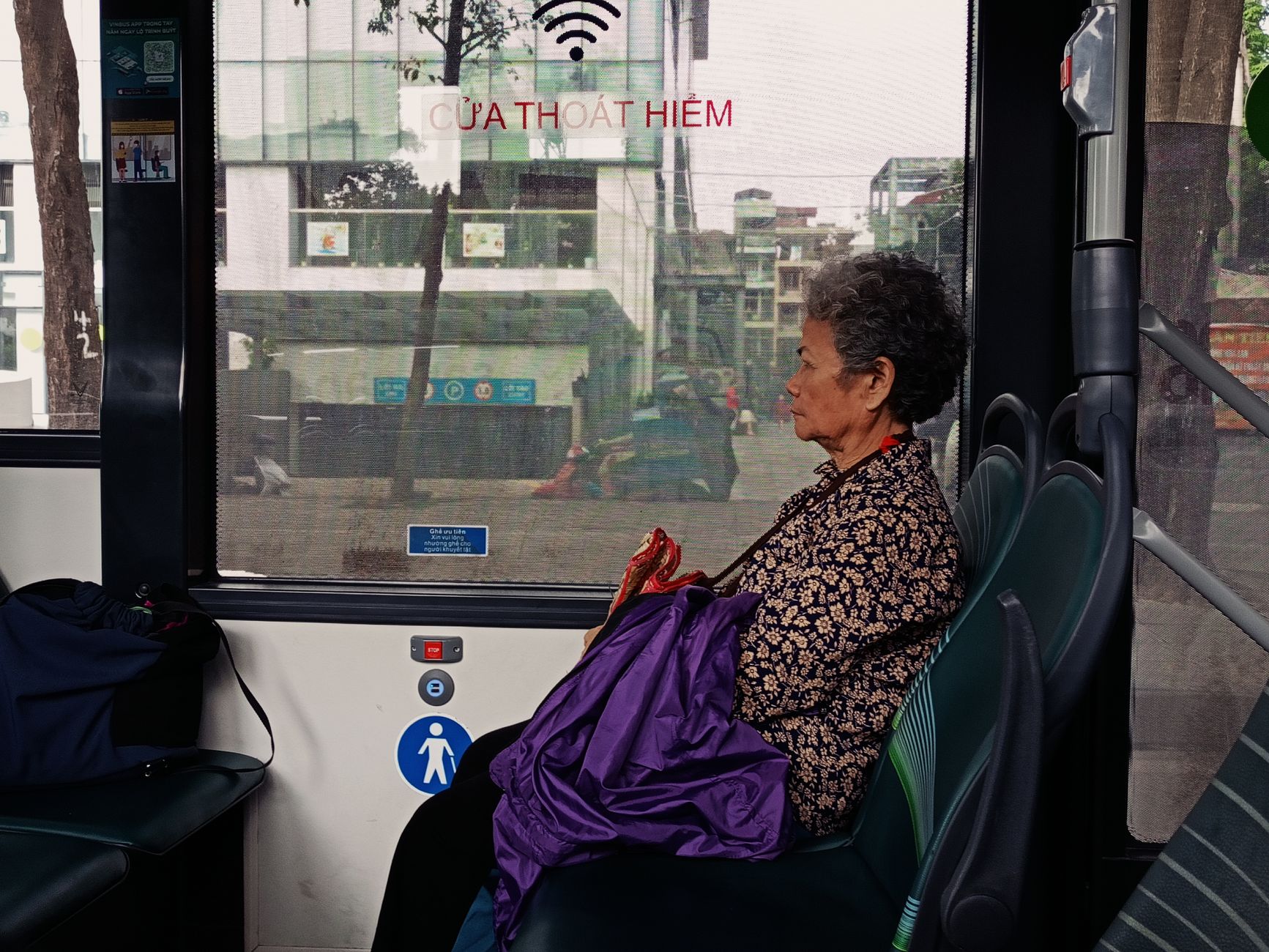
Episcopal congregations usually plan senior outings through a parish vestry, missions committee, adult formation team, or diocesan office rather than through a single standalone program, so church travel works best when the charter partner understands church structures. A Senior Ministry Day Trip often centers on worship, a cathedral visit, a historic parish, or a retreat-center gathering, which means timing has to respect prayer-book worship and older adults' pace. In many dioceses, senior fellowship travels alongside deanery meetings, diocesan conventions, and conference-center retreats, so the vehicle choice should match a familiar church calendar rhythm. A good church bus plan also supports the kind of guest hospitality Episcopalians expect, especially when the group is visiting a cathedral, parish archive, or diocesan museum. Because many Episcopal seniors value dignity and participation, church passenger travel should be scheduled with comfortable boarding, flexible restroom breaks, and minimal walking between stops. For those reasons, a church coach or mini-coach is often preferred over a private-car convoy for congregational travel.
Episcopal senior ministry often overlaps with wider denominational life, including cathedral liturgies, diocesan centers, camp and conference networks, and intergenerational programs that serve both worship and formation. Trips to Kanuga, diocesan retreat houses, and parish camp networks are common because they combine fellowship, prayer, and accessible lodging in a way that fits church group transportation needs. When a senior ministry day includes an outreach or service stop, the route may also connect to Episcopal Relief and Development relationships or parish mission partners, which adds cargo and schedule coordination. That is why ministry transportation for Episcopal groups should be planned like a church program, not just a ride: the bus has to support devotionals, meal timing, and any parish presentation materials. Senior leaders also tend to ask about easy boarding, sturdy seating, and predictable arrival times, especially when the group includes older adults who no longer want to drive. A well-matched church bus or church van rental helps the congregation travel together while keeping the day centered on worship, learning, and fellowship.
For Episcopal groups, the best charter partner is one that understands how dioceses, cathedrals, and parish networks organize movement, because the itinerary is often shaped by churchwide schedules. That can include youth and family connections such as EYE, the Episcopal Youth Event, or broader formation events where senior ministry travelers may be serving as chaperones, volunteers, or prayer partners. In practice, the same faith-based group transportation provider may be asked to handle a senior fellowship day trip, a cursillo reunion, a cathedral pilgrimage, and a church tour bus assignment in the same season. The vehicle needs vary, but the planning logic is consistent: keep the group together, respect the worship schedule, and make room for walkers, gifts, books, and ministry materials. Episcopal congregational travel also benefits from drivers who can follow instructions from clergy, parish administrators, or diocesan event planners without improvising the route. When those pieces line up, church buses become part of ministry transportation rather than a separate logistical problem.
Fleet Options That Fit a Episcopal Senior Ministry Day Trip
For an Episcopal Senior Ministry Day Trip, choose the vehicle by balancing headcount, mobility needs, and what the group must carry for church travel. A small church van rental may be enough for a compact parish outing, while a church bus or church coach is better when walkers, devotional materials, boxed lunches, or mission supplies need secure storage. If the route runs long or includes an overnight leg, ask about driver-hours limits, rest breaks, and whether the operator can cover live days without forcing a rushed schedule. Comfort matters for older adults, so seat pitch, step height, climate control, and restroom access should all be weighed alongside price. For church passenger travel, the most efficient option is often the smallest vehicle that still fits everyone safely and comfortably.
| Vehicle | Seats | Best For | Notes |
|---|---|---|---|
| 15-passenger church van | 12-15 | Use it for compact Episcopal fellowship outings, clergy companion travel, or very small senior ministry trips with minimal cargo. | Best for a small parish group with light bags, short hops, and simple church group transportation when no lift or large cargo bay is needed. Drivers should be qualified and comfortable handling a taller vehicle, and comfort is limited on longer ministry travel or overnight legs. |
| 28-passenger mini-bus | 24-28 | Fit for mid-size parish senior groups, diocesan day trips, and short retreat-center runs. | This is a practical middle ground for congregational travel when the group needs easier boarding than a full-size coach but still wants shared travel. It can handle walkers, hymnals, and modest mission supplies more easily than a van, though long-distance comfort is still below a larger church motorcoach. |
| 40-passenger mini-coach | 36-40 | Use it for larger Episcopal congregations, deanery gatherings, and day trips with mixed mobility levels. | A strong choice for church travel when the group is large enough to need coach-style seating but does not require a full 57-seat bus. It usually gives better comfort, storage, and aisle space for prayer-book worship days, cathedral tours, and service mission trips. |
| 57-passenger motor coach | 47-57 | Use it for diocesan-wide senior ministry events, cathedral pilgrimages, Kanuga trips, or larger retreat and conference movements. | Best for the fullest church passenger travel load, especially when the itinerary includes multiple stops, luggage, and a longer return drive. It offers the most comfortable church coach experience, with the strongest cargo capacity and the best fit for overnight or multi-stop ministry transportation. |
Multi-Day and Multi-Stop Routing
Multi-stop Episcopal day-trip routing should be built around the pace of older adults, not the fastest possible mileage. If the itinerary includes a cathedral service, a lunch stop, and a museum or mission site, the church coach should have extra time built in for boarding, bathroom use, and short walking distances. Driver hours-of-service rules under DOT limits still apply, so a church bus schedule cannot assume the vehicle can keep moving without legally required rest and duty breaks. If the day stretches toward evening, the charter company may need to plan a hotel room or equivalent overnight housing for the driver even when the congregation itself returns home. On a church passenger travel plan, that detail matters because it affects both cost and feasibility. Good routing for ministry travel also leaves enough margin for traffic, parish traffic control, and late departures from host worship sites.
On a two-day church travel itinerary, coordination with the host ministry or conference center should begin before the bus is dispatched. If the group is heading to a retreat center, diocese-owned camp, or parish in another city, confirm exactly where the church motorcoach can unload and park, because older urban cathedrals and historic parish campuses may have limited coach access. Ask whether the host has reserved drop-off space, overflow parking, or a turnaround area suitable for a church tour bus. Fuel, rest stops, and meal breaks should be mapped in advance so seniors are not forced into rushed or inaccessible facilities. If the program includes a service component, such as an Episcopal Relief and Development related mission day, the route should allow for cargo loading, volunteer check-in, and a clear return window. The most successful congregational travel plans are the ones where the bus schedule matches the ministry schedule instead of competing with it.
What This Typically Costs
Typical church bus pricing for an Episcopal Senior Ministry Day Trip is shaped by trip distance, live hours, and whether the coach returns the same day or stays overnight. In most markets, a short day outing on a church coach or mini-coach often prices as a live-day charter, while multi-day ministry travel commonly adds driver hotel, meals, and layover time. Deadhead miles, tolls, parking, and mileage beyond the quoted route are typical line items, and per-hour overage can apply if the group runs long at a cathedral, retreat center, or mission site. Off-peak weekdays generally cost less than summer weekends, especially when the itinerary avoids diocesan convention dates, churchwide conferences, and camp-season demand. Brokers commonly request a deposit to hold the motorcoach and may require the balance before departure. A church van rental or smaller mini-bus can reduce expense for compact groups, but the right vehicle depends on passenger count, accessibility needs, and cargo load rather than seat count alone.
What Episcopal Ministry Leaders Usually Ask
What size church bus is best for an Episcopal Senior Ministry Day Trip?
For Episcopal senior groups, the best vehicle depends on how much standing time, walking, and step height the travelers can manage. A 15-passenger church van can work for a compact parish group with light bags, but it is less comfortable than a church motorcoach for longer church travel or multiple worship stops. If the day includes prayer-book worship, cathedral visitation, or a lunch site with limited parking, a larger church bus may be easier for boarding and drop-off. The quote should also account for any walkers, foldable wheelchairs, or musical items used for ministry transportation.
Can one charter plan cover both senior ministry and other Episcopal church travel needs?
Yes, many Episcopal congregations use the same church group transportation plan for senior ministry outings, diocesan events, and intergenerational parish travel. A trip to Kanuga, a cathedral district day, or a service project with Episcopal Relief and Development partners often needs the same coordination as parish council travel. The difference is that senior groups usually need slower boarding, shorter walking distances, and more predictable restroom stops. That makes a church coach or mini-coach a strong fit when comfort matters more than absolute lowest cost.
How should an Episcopal day-trip route be planned for older adults?
For a one- to two-day itinerary, the main routing issue is keeping the schedule realistic around worship, meals, and rest breaks. A church tour bus can follow a cathedral, museum, and lunch route, but it still must respect driver hours-of-service limits and required rest periods. If the group stays overnight, the charter company normally needs a hotel room for the driver or a comparable rest arrangement. Good routing also leaves margin for traffic, choir load-in, and extra boarding time for older adults.
Why do Episcopal parishes prefer a chartered church bus over carpools?
Many Episcopal groups ask for a church bus because it allows the whole congregation to travel together instead of splitting into cars. That is especially useful for parish life events tied to diocesan structures, clergy conferences, adult formation, and senior fellowship ministries. A single vehicle simplifies headcount control, luggage handling, and arrival timing at the host ministry or retreat center. It also helps volunteers focus on hospitality instead of parking and navigation.
What accessibility details should an Episcopal church leader confirm first?
Accessibility should be discussed before the quote is finalized. Ask whether the vehicle has a stepwell height your seniors can manage, whether the loading area can handle walkers, and whether a lift-equipped coach is available if needed. Episcopal elder-care and congregational wellness planning often begins with logistics because accessibility affects worship participation, not just comfort. The broker should also verify restroom access at each stop so the church group transportation plan does not create avoidable strain.
What should we plan for luggage and ministry cargo on a senior church outing?
For a day trip, many groups can operate with light personal items only, but mission tools, casseroles, boxed outreach supplies, or choir folders may require extra baggage space. If the itinerary includes a service mission or parish collaboration with Episcopal Relief and Development, cargo planning should happen before the vehicle is assigned. A mini-bus can be efficient for people and small bags, while a church motorcoach handles heavier cargo more comfortably. The charter quote should clearly say whether storage is included under the coach or only in interior racks.
When is a charter bus better than driving ourselves for Episcopal senior ministry?
A charter bus is appropriate whenever the Episcopal group wants everyone to arrive together, remain on a single schedule, and avoid the fatigue of self-driving. That is common for cathedral visits, diocesan senior ministries, prayer-book worship days, and retreat center outings. A church bus is also helpful when the destination has limited parking or when the host ministry expects a set arrival window. For larger parishes, the motorcoach usually gives the smoothest church passenger travel experience.
How to Book Your Senior Ministry Day Trip
To book, have your dates, pickup address, headcount, luggage or instrument load, destination, and any accessibility needs ready before you request the quote. Include whether the trip is same-day or overnight, because live days, driver overnights, and route complexity change the pricing structure for church group transportation. A well-run broker should be able to return a quote within 4 business hours for a standard request, especially when the itinerary is clear. When the quote comes back, confirm the insurance certificate, DOT number, and whether the price is all-in or a la carte before you approve the church bus reservation.
Related Church Transportation Pages
- Baptist congregations: Baptist Senior Ministry Day Trip church bus
- Methodist congregations: Methodist Senior Ministry Day Trip church bus
- Non-Denominational congregations: Non-Denominational Senior Ministry Day Trip church bus
- Catholic congregations: Catholic Senior Ministry Day Trip church bus
- Other Episcopal church trips: Episcopal Mission Trip charter bus
- Other Episcopal church trips: Episcopal Youth Retreat charter bus
- Other Episcopal church trips: Episcopal Choir Tour charter bus
- Other Episcopal church trips: Episcopal Denominational Conference charter bus
- 57-Passenger Church Motor Coach (47-57 pax): Church bus specs, seating, cargo
- 40-Passenger Church Coach Bus (35-40 pax): Church bus specs, seating, cargo
- 28-Passenger Church Mini-Coach (20-28 pax): Church bus specs, seating, cargo
- 72-Passenger Church School Bus (60-72 pax): Church bus specs, seating, cargo
- 15-Passenger Church Van (10-15 pax): Church bus specs, seating, cargo
- Fleet overview: All church bus sizes and configurations
- Full services list: Every church trip type we run
- Free quote: 60-second church group charter bus quote