
Austin congregations planning a Senior Ministry Day Trip often need more than a simple ride; they need dependable church group transportation that keeps seniors comfortable, on schedule, and close to the fellowship plan.
Overview: Austin Church Senior Ministry Day Trip Charter Bus Transportation
Austin has one of the strongest church transportation markets in Texas because the city combines large multi-site evangelical congregations, established baptist and catholic parishes, and a strong regional retreat culture. Churches such as The Austin Stone, Gateway Church, Hill Country Bible Church, Celebration Church, Austin Ridge Bible Church, Lake Hills Church, and First Baptist Austin regularly move people between campuses, worship events, and ministry weekends. That makes church bus planning a normal part of congregation travel rather than a special exception. Senior ministry leaders in particular need vehicles that are easy to board, quiet on the highway, and timed around meal and restroom stops. Austin traffic patterns on I 35, MoPac, and the US 183 corridor can turn a simple outing into a stressful day if the church travel plan is not built carefully. A well-run church coach schedule protects the fellowship experience and keeps the group focused on worship, teaching, and connection rather than logistics.
The Austin church calendar also shapes Senior Ministry Day Trip demand more than many planners expect. Spring retreat season, fall ministry launch season, holiday fellowship outings, and mission-sending weekends all compete for buses, drivers, and parking slots at local churches and regional destinations. Churches with multi-site operations often schedule senior outings around youth retreats, women's conferences, men's breakfasts, and mission-team departures so the church van rental or church motorcoach fleet is not double-booked. That is especially important for growing churches with campus ministries and Saturday night worship services that affect loading windows and parking access. Many senior groups prefer midweek travel because it avoids heavy Sunday congestion and works better for church office staffing and volunteer coordination. In Austin, the most successful church group transportation plans usually start with the church calendar, not the destination. Once the date is locked, the rest of the ministry travel details can be matched to the right vehicle and the right route.
For Austin congregations, the actual trip pattern matters as much as the church itself. A 15 to 45 person senior group can travel efficiently to nearby destinations if the bus is set up for easy boarding, modest luggage, and predictable restroom breaks. That is why churches often choose a mini-bus for a local fellowship meal, a mini-coach for a museum-and-devotional day, or a full church coach for larger combined ministries. The most common day-trip destinations sit in the Austin Hill Country and Central Texas orbit rather than far-flung routes, because same-day return matters for older adults. Churches that want a more restful itinerary often pair a scenic drive with one host site, a planned lunch stop, and one worship or education session before heading back. This style of faith-based group transportation supports senior care, keeps the schedule humane, and reduces late-evening fatigue. It also lets church leaders focus on discipleship instead of traffic management.
Austin's denominational mix adds another layer to transportation planning because different traditions use different destination patterns and event styles. Catholic parish groups, diocesan ministries, and some campus ministries may prioritize retreat centers such as Cedarbrake, while evangelical churches often use camp and conference properties like Tejas, Eagle's Wings, Camp Buckner, and other Hill Country settings. Historic congregations, downtown churches, and newer multi-site ministries each use church bus service differently, but they all need the same practical things: reliable pickup, accessible boarding, and enough cargo space for materials. Senior ministry outings also tend to include prayer books, study guides, folding walkers, and coolers, so the vehicle choice needs to match the event rather than just the headcount. Because Austin is spread out, even short church trips can involve freeway segments, suburban pickups, and parking coordination at the destination. A thoughtful church travel plan keeps the day smooth from the first boarding stop to the final drop-off at the church campus.
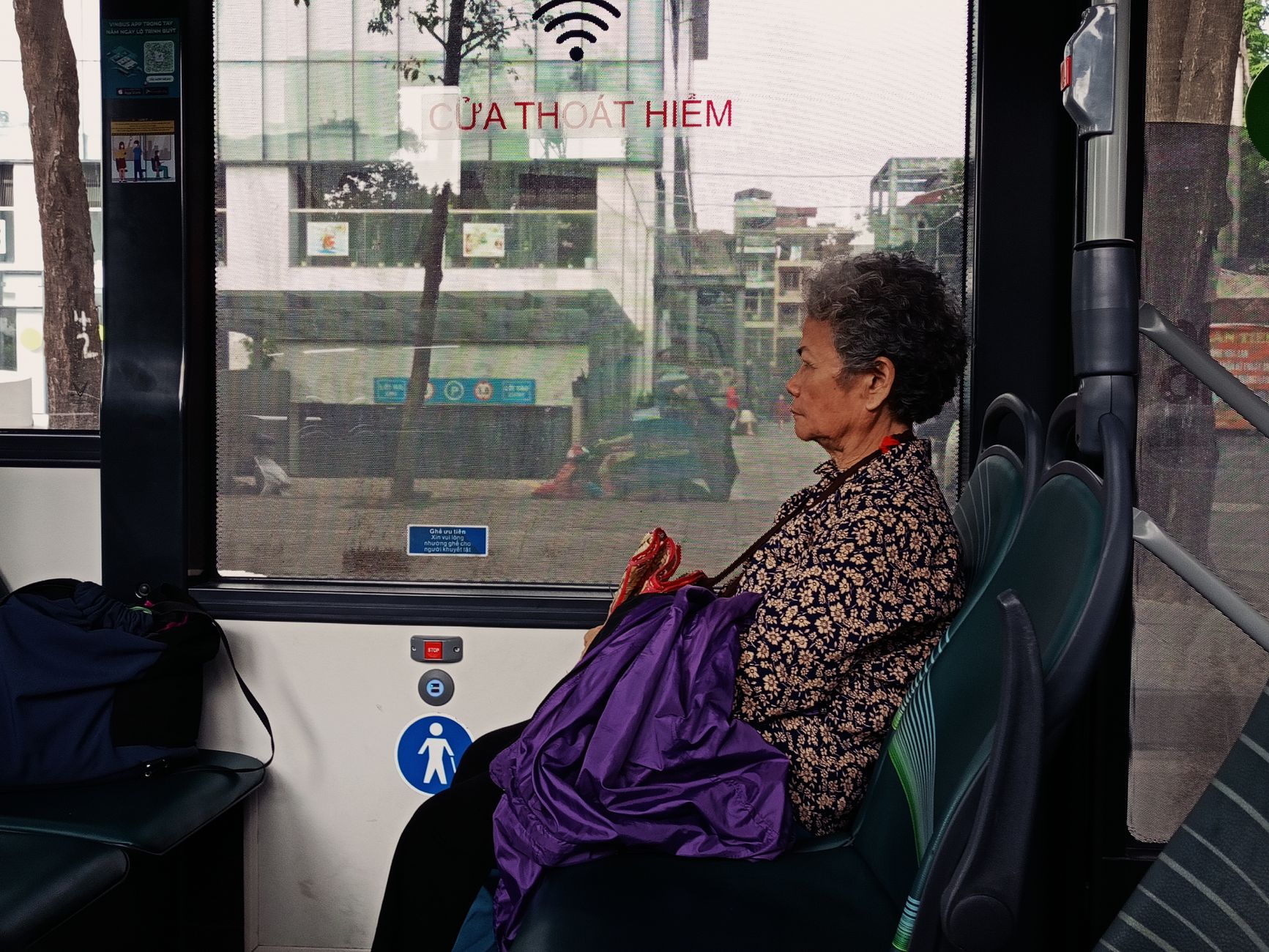
Fleet Options for a Austin Church Senior Ministry Day Trip
For an Austin church Senior Ministry Day Trip, the right vehicle depends on exact headcount, mobility needs, and how much cargo the group brings for church travel. A smaller church van can work for tight ministry teams, but most senior outings are better served by a mini-bus or mini-coach with easier entry, more shoulder room, and space for walkers, handbags, devotional material, and coolers. If the route runs to Temple, Waco, Marble Falls, Burnet, New Braunfels, or the Hill Country, comfort matters because the trip can easily become a long live-use day on Austin corridors. It also helps to match the vehicle to driver-hours limits and to any luggage or event supplies so the church group transportation plan stays simple at both pickup and arrival.
| Vehicle | Seats | Best For | Notes |
|---|---|---|---|
| 15-passenger church van | 12-15 | Use this for a very small Austin church trip, such as a Bible study, deacons group, or senior circle with only a handful of riders and a simple same-day route. Please keep the itinerary short and the load light so boarding stays easy for older adults. | Best for smaller ministry travel when the group is compact and brings minimal cargo. Keep in mind that baggage, walkers, and comfort level are limited, and the driver should be properly licensed and briefed on senior mobility needs. |
| 28-passenger mini-bus | 24-28 | Use this for a mid-size Austin Senior Ministry Day Trip with roughly two dozen riders and a destination within a manageable same-day corridor. It is a practical fit for church travel to central Texas retreat centers or museum-and-meal outings. | Good for mid-size church group transportation when you need better step access than a van and room for walkers, water, and boxed meals. This option works well for Austin congregations that want a comfortable, economical church bus without moving up to a full motorcoach. |
| 40-passenger mini-coach | 36-40 | Use this when a larger senior ministry group wants a church bus with added comfort for a full day on the road. It fits especially well for central Texas routes where the group wants smooth boarding and a quieter ride. | A strong choice for more comfortable church coach service with wider seating and better luggage capacity than smaller buses. It handles longer ministry travel well and gives Austin churches more flexibility for walkers, cooler storage, and devotional materials. |
| 57-passenger motor coach | 47-57 | Use this for the biggest Austin church outings or for combined congregations, multi-site ministries, and trips that may include extra guests or event materials. It is also the most efficient choice when the whole senior ministry department travels together. | Best for the most comfortable church motorcoach experience when the congregation wants generous seating, high cargo capacity, and easy group movement. This is the right choice for large church groups, combined ministry outings, or longer routes where comfort and storage matter more than size alone. |
Where Austin Church Groups Go for Senior Ministry Day Trip
Austin church groups planning Senior Ministry Day Trip transportation often head to nearby faith and fellowship destinations that work well with easy boarding and a calm pace. Popular same-day or near-day trips include Cedarbrake Catholic Retreat Center near Temple, Eagle's Wings Retreat Center in Burnet, Tejas Camp and Retreat near Giddings, Twin Oaks Ranch Christian Retreat Facilities near Buda, and Camp Buckner in the Hill Country. Many evangelical and multi-site congregations from The Austin Stone, Gateway Church, Hill Country Bible Church, Celebration Church, and Austin Life Church use these locations for retreats, devotionals, and intergenerational ministry travel. Catholic parish groups and diocesan ministries often look to Cedarbrake, while Protestant churches frequently favor Hill Country camp and conference properties with accessible dining and meeting spaces. For a senior group, the best destination is usually the one with short walking distances, shaded drop-off areas, and restrooms close to the meeting room. When the event is more of a cultural outing, churches also choose Waco, Gruene, Fredericksburg, Marble Falls, or San Marcos for museum, worship, and meal combinations that still fit a same-day church coach schedule.
Austin churches also use regional corridors and destination hubs that make senior ministry travel practical without crossing into overly long overnights. From central Austin, US 183, Loop 1, I 35, US 290, SH 71, and TX 130 are the key church travel routes depending on whether the group is headed north toward Round Rock and Georgetown, west toward the Hill Country, south toward Buda and New Braunfels, or east toward Giddings and the Tejas corridor. That network supports day trips to host ministries, conference venues, and historic churches in surrounding cities while keeping the church bus schedule manageable for seniors. Many churches pair a morning devotional with lunch at the destination, then return before evening worship rehearsals or small-group meetings back in Austin. Groups with wheelchair users or walkers often prefer venues with motorcoach parking near the entrance, which is common at larger retreat centers and some hotel conference properties in central Texas. Austin Bergstrom International Airport matters mainly when guest speakers, missionary partners, or out-of-town pastors fly in to join the trip or meet the group at the destination.
Multi-Day Routing From Austin
Multi-stop routing from Austin should be planned around the citys strongest travel corridors rather than around the shortest map line. For northbound church group transportation, I 35 and US 183 are the workhorse routes toward Round Rock, Georgetown, Temple, and Waco, while Loop 1 and US 183 are common for central and northwest pickups before moving toward the Hill Country. South and southeast ministry travel often uses I 35, SH 71, and TX 130 to reach Buda, San Marcos, New Braunfels, and Giddings with fewer downtown bottlenecks. Westbound trips for a church coach may use US 290 or SH 71 toward Dripping Springs, Johnson City, Fredericksburg, and other retreat country destinations. Senior ministry schedules need extra padding because roadwork, weekend events, and airport traffic near Austin Bergstrom can easily add delay. A strong routing plan also places the worship stop, meal stop, and restroom stop in the correct order so the group is not backtracking or standing too long.
Overnight or multi-day church motorcoach trips from Austin need disciplined driver-hour planning and realistic service windows. Federal hours-of-service rules mean the coach cannot simply keep rolling once the group decides to extend the day, so churches should build in rest time, meal breaks, and a clean arrival window at the retreat center or conference site. If the schedule runs into the evening, the driver should have a confirmed hotel room close to the destination, especially for locations in the Hill Country where return driving after a long program would be impractical. Parking and staging also matter at host ministries and camps because not every venue has room for a full-size coach near the main entrance. Austin churches should confirm who meets the bus, where the group unloads, and whether the venue wants the driver to stay with the vehicle or park off-site. Clear coordination with the host ministry avoids confusion at arrival and makes the return trip much easier for seniors, staff, and volunteers alike.
What This Typically Costs From Austin
Austin church senior ministry day trip charters are usually priced by vehicle size, mileage from the Austin pickup point, live time, and whether the itinerary stays within a same-day corridor or stretches into an overnight church retreat pattern. For groups leaving from central Austin, one-day service to nearby destinations often prices lower than long live-use days to the Hill Country, while weekend ministry travel with a driver waiting on site can move into a higher range because the coach remains dedicated to the congregation. Typical quotes also account for deadhead miles, parking, tolls on routes such as US 183 or I 35, and per-hour overages if the group runs long at the destination. Off-peak weekdays outside spring retreat season usually cost less than summer weekends or fall church calendar peaks around stewardship, senior outings, and church anniversary events. Deposits are commonly required to hold the vehicle and driver, and some itineraries add driver lodging if the route turns into an overnight church motorcoach schedule. In most markets, Austin church group transportation for this type of trip commonly runs from a few thousand dollars for shorter same-day service to a higher range for longer live-use or overnight work.
What Austin Ministry Leaders Usually Ask
What size church bus is best for an Austin Senior Ministry Day Trip?
For 15 to 45 seniors, the best fit depends on how much walking, storage, and comfort the church group needs. A compact church van can work for a very small class or ministry team, but most Austin senior ministry day trips are better served by a mini-bus or mini-coach because they give easier boarding and better aisle space. If the trip includes walkers, folding chairs, devotional supplies, or boxed lunches, a larger church coach is usually more comfortable. Austin traffic on I 35 and MoPac can also make a smoother, higher-capacity vehicle worth it for church travel.
Can a Senior Ministry Day Trip from Austin stay same-day?
Yes, many Austin congregations schedule a church bus for same-day fellowship outings to places like Waco, Gruene, Round Rock, Fredericksburg, Marble Falls, or the Hill Country around Burnet and Wimberley. Those routes fit well when the group wants worship time, a meal stop, a tour, and a return home before late evening. The key is to confirm the church group transportation plan with enough buffer for road delays, especially on Friday and Sunday corridor traffic. For a senior ministry group, a coach with easy step access is usually the safest and most comfortable choice.
Which Austin roads matter most for church group transportation?
Austin church groups frequently stage from central congregational corridors, then route through I 35, US 183, MoPac or Loop 1, US 290, SH 71, and TX 130 depending on the destination. To the northwest, US 183 and SH 29 are common for Hill Country retreat travel; to the south, SH 71 and I 35 serve Buda, San Marcos, and New Braunfels; to the north and east, I 35 and US 79 connect toward Round Rock, Georgetown, and the Waco corridor. These roads matter because senior ministry schedules are usually tighter than youth retreat schedules and need predictable arrival times. A good dispatch plan also accounts for airport-adjacent congestion near Austin Bergstrom International Airport.
How does Austin Bergstrom affect church charter planning?
Austin Bergstrom International Airport is the main commercial airport for church travel, and it is usually relevant only when a ministry group is arriving by air or meeting a speaker, mission leader, or visiting pastor. For charter work, airport pickups need earlier staging and more attention to baggage handling, curb rules, and timing because the airport side of the trip can add congestion to an already busy day. Senior ministry groups usually avoid airport complexity unless the outing includes a conference guest, regional church partnership, or multi-city church coach itinerary. If the airport is part of the plan, it is best to build extra time into the schedule before heading back toward the church.
Where do Austin churches usually send senior ministry day trips?
Austin church groups often use destination stops that balance spiritual focus and low walking demand, such as retreat centers, historic churches, museums, garden venues, and conference spaces with motorcoach parking. Common church group transportation targets include Cedarbrake Catholic Retreat Center near Temple, Eagle's Wings Retreat Center in Burnet, Tejas Camp and Retreat near Giddings, Twin Oaks Ranch near Buda, Camp Buckner near Burnet, and CYJ Retreat Center for some congregational retreats. Those destinations serve different traditions, with Catholic and diocesan groups often favoring Cedarbrake, while evangelical and multi-site churches such as The Austin Stone, Celebration Church, Austin Ridge Bible Church, and First Baptist Austin often look to Hill Country retreat and conference settings. For senior ministry outings, easy loading zones and restrooms matter as much as the destination itself.
What are the biggest routing risks for an Austin church charter?
For a longer church motorcoach route, the driver must stay within federal hours-of-service limits, and the itinerary should be built around legal rest time, meal breaks, and realistic driving windows. In Austin, that usually means planning through I 35, US 290, SH 71, or US 183 with enough slack for construction, game-day congestion, and downtown event traffic. If the trip becomes overnight, the church should also arrange driver lodging near the hotel, camp, or conference center so the next morning starts on time. Host ministries and retreat centers appreciate a clear arrival window, parking instructions, and a contact number for the bus captain or lead pastor.
How can Austin churches keep senior trip transportation affordable?
The best way to reduce cost is to keep the itinerary efficient, avoid unnecessary deadhead miles, and make the schedule as close to a live day as possible. Austin churches can also save by traveling midweek, choosing shoulder-season dates outside peak summer retreat traffic, and confirming one pickup point instead of several scattered stops across the metro. If the group needs a church van rental or a mini-bus instead of a full church coach, matching the vehicle to actual headcount can lower the quote. Clear loading times, meal plans, and return windows help prevent overages and keep church travel predictable.
How to Book Your Austin Church Senior Ministry Day Trip
To book Austin church group transportation, have the date, pickup address, headcount, mobility needs, destination, and any luggage or devotional supply details ready before requesting quotes. It also helps to know whether the trip is a same-day church bus outing, a live-use charter, or an overnight ministry travel plan with driver lodging. Most itinerary quotes can be turned around within 4 business hours when the schedule is clear and the pickup point is specific. Review the returned quote for vehicle class, live hours, deadhead miles, parking, tolls, driver overnights, and any per-hour overage language before approving the reservation.
Related Church Transportation Pages
- Richmond, VA: Senior Ministry Day Trip church bus in Richmond
- Tampa, FL: Senior Ministry Day Trip church bus in Tampa
- Charleston, SC: Senior Ministry Day Trip church bus in Charleston
- Other Austin church trips: Austin Church Summer Camp Shuttle charter bus
- Other Austin church trips: Austin Choir Tour charter bus
- Other Austin church trips: Austin Church Summer Camp Shuttle charter bus
- Fleet overview: All church bus sizes and configurations
- Free quote: 60-second church group charter bus quote