
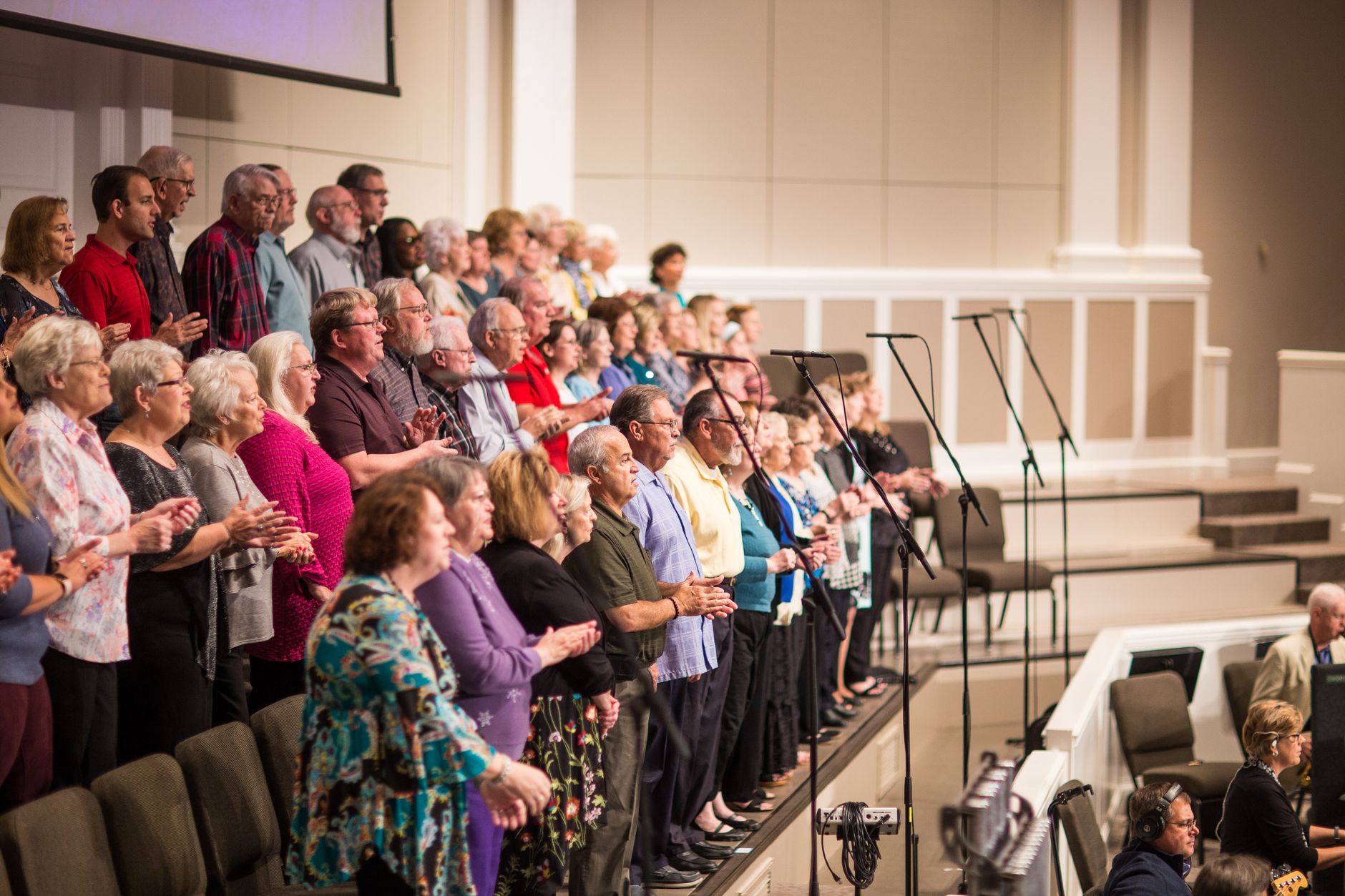
Austin choirs often travel with singers, directors, chaperones, and instrument crew, so church group transportation has to solve more than simple seating.
Overview: Austin Church Choir Tour Charter Bus Transportation
Austin church groups planning Choir Tour transportation need a charter partner that understands both ministry travel and the city's multi-site church culture. The Austin Stone, Gateway Church, Hill Country Bible Church, Celebration Church, and Life Austin all reflect a strong non-denominational and evangelical presence that moves people across a large metro area on tight ministry schedules. That matters because choir tours rarely start from one simple location; they often involve rehearsal campuses, storage points for instruments, and pickup windows tied to evening worship services or Sunday departures. A church bus or church motorcoach should be chosen with enough cargo room for robes, folders, microphones, and percussion, not just seats. For Austin planners, the best church group transportation option is usually the one that keeps the choir together and avoids splitting leadership across multiple vehicles. The citys traffic, parking, and event calendar can turn a short in-town move into a schedule problem if the bus plan is not built early.
The Austin church calendar also shapes when Choir Tour transportation should be reserved. Spring graduation season, Easter-adjacent worship schedules, summer mission travel, and back-to-school ministry events can all compete with choir rehearsal blocks and host-church availability. Many Austin congregations are younger, multi-site, and mission-sending, so they tend to stack services, retreats, and travel weekends into the same months. That makes a flexible church coach or church van rental valuable when leaders need to move people to a rehearsal site, then onto a regional performance stop, then back to Austin after a late-night service. In the same calendar window, host churches in San Antonio, Waco, and New Braunfels may also be booking camp and conference space, so early transportation holds matter. Choir Tour leaders should think of transportation as part of the ministry schedule, not an add-on after the itinerary is finished.
Austin also offers a wide range of realistic outbound destinations for choir and ministry travel. San Marcos and New Braunfels work well for retreat-style rehearsals, while San Antonio and Waco are common overnight choir-tour anchors because they are reachable on a manageable driving day from Austin. Depending on the denomination and the event format, groups may also head toward Hill Country conference properties, Baptist camps, or larger conference centers that can accommodate a church motorcoach. Because many of these destinations sit along major corridors such as I-35, US-71, US-183, and US-290, routing can be efficient if the driver plan is built around traffic peaks and fuel stops. Austin groups should also remember that airport transfers are usually tied to Austin-Bergstrom International Airport, which adds another layer of scheduling if some singers arrive by air. The most successful tours usually combine a simple highway route with careful hotel and venue coordination.
The logistics are especially important for groups that combine singers, directors, chaperones, and an instrument crew. A choir that is 35 to 70 people strong can look manageable on paper but still overload a smaller bus once folders, robes, music stands, audio racks, and overnight luggage are added. Austin churches with multiple campuses often prefer a larger church coach for the main group and a support van for heavier or fragile gear, rather than trying to squeeze everything into one smaller vehicle. That approach can also help when the route includes campus-style worship centers, downtown ministry venues, or hotels with limited bus loading space. For local congregation travel, the bus plan should account for who loads first, who rides where, and which stop needs the most time for unloading. Good transportation planning prevents the choir from arriving late, missing sound check, or forcing the host ministry to manage a last-minute parking problem.
Fleet Options for a Austin Church Choir Tour
For an Austin church Choir Tour, the right vehicle depends on more than headcount alone. A 35 to 70 singer group often needs space for robes, instrument cases, choral folders, audio gear, and personal luggage, so cargo planning matters as much as seat count. The long-haul corridor work out of Austin, especially on I-35, US-183, US-290, and US-71, rewards vehicles that keep the group comfortable for several hours at a time. Driver hours-of-service, hotel overnights, and parking access at host churches should all be weighed before choosing between a van, mini-bus, mini-coach, or full church motorcoach.
| Vehicle | Seats | Best For | Notes |
|---|---|---|---|
| 15-passenger church van | 12-15 | Fits short Austin-area church trips, small rehearsal hops, or support moves between campuses and hotels when the choir itself is on another vehicle. | Best for leaders, airport shuttles, or light support runs when the church travel load is small and gear is minimal. Cargo is tight for robes and cases, and many trips need a second vehicle because the van fills quickly; it is also less comfortable for longer corridor days and still requires a qualified driver who understands passenger-van safety. |
| 28-passenger mini-bus | 24-28 | Works well for short to medium Austin church group transportation needs, especially for smaller ensembles or overflow seating. | A practical middle choice for smaller choir subsets, youth choruses, or support crews that do not need a full coach. It handles moderate luggage better than a van, but comfort and storage remain limited on longer ministry travel days and the quote should confirm space for instruments and garment bags. |
| 40-passenger mini-coach | 36-40 | Fits many Austin choir tours when the group wants one vehicle for singers plus a modest amount of instrument cargo. | A strong option for mid-sized church groups that want more comfort than a bus-sized shuttle without stepping up to a full motorcoach. It usually offers better ride quality and more consistent storage than a mini-bus, but large percussion, risers, or heavy luggage can still push the limits on multi-day choir tours. |
| 57-passenger motor coach | 47-57 | Best for full Austin church choir tours, especially when the route includes multiple cities, long highway segments, and overnight travel. | Usually the best fit for a 35 to 70 person choir tour because it handles the full ministry team, luggage, and gear with the least fragmentation. It is the most comfortable choice for multi-day church travel and typically offers the strongest cargo hold, restroom access, and long-distance reliability, though parking and loading space must be confirmed at every stop. |
Where Austin Church Groups Go for Choir Tour
Austin church groups usually send Choir Tour routes north on I-35 to Waco and Dallas-Fort Worth, south to San Antonio and New Braunfels, or east toward Bastrop and the Bryan-College Station corridor. For retreat-style ministry travel, Hill Country destinations such as San Marcos and New Braunfels are common because they combine highway access with church-friendly lodging and conference space. Real venues that matter to Austin planners include T Bar M Camps and Retreats in the New Braunfels area and the San Marcos conference-center market, both of which are familiar to evangelical and Baptist church groups. West-side churches and campus ministries also use properties near Bee Cave and the Hill Country when the choir needs a shorter rehearsal weekend before a longer tour. Hotels near I-35, SH-71, and US-183 are often preferred because they keep the church motorcoach close to the next call time and reduce downtown circulation.
Austin church Choir Tour routing often needs to be built around denominational patterns and campus density, not just mileage. Non-denominational and evangelical congregations like The Austin Stone, Gateway Church, Hill Country Bible Church, Celebration Church, and Life Austin frequently schedule choir travel around school breaks, worship nights, and mission-send weekends, which means the best bus dates can disappear quickly. Larger churches commonly stage from north, west, and south Austin campuses rather than a single downtown origin, so a church bus or church coach may need a carefully sequenced pickup plan. For longer overnight tours, hosts in San Antonio, Waco, and the greater Houston area are realistic because they allow one travel day in and one travel day out without overloading the choir. A good charter plan also checks whether the final venue wants bus parking on-site or prefers unloading at a nearby lot before shuttle-style walk-in access.
Multi-Day Routing From Austin
Multi-day Choir Tour routing from Austin has to respect driver hours-of-service rules and the practical limits of long church travel days. If the itinerary leaves Austin after a Sunday service or early weekday rehearsal, the driver schedule should still leave room for mandatory rest breaks, meal stops, and a sensible overnight stop. On a route toward San Antonio, Waco, Dallas-Fort Worth, or Houston, the charter plan should identify where the bus will park, where the driver will sleep, and whether the hotel can accept a large vehicle in the lot. Austin congestion on I-35, MoPac, US-183, and SH-71 can make an otherwise short transfer take much longer during rush hour or major event weekends. A church motorcoach should not be expected to make back-to-back appearances without a realistic reset window for the driver and the group. If the choir includes late-evening worship dates, the return schedule should also allow enough time to clear the venue and still reach the hotel safely.
The other routing issue is coordination with the host ministry, camp, or conference center before the bus arrives. Austin groups heading to T Bar M, San Marcos-area conference space, New Braunfels church retreats, or a host church in another Texas city should verify turn-in points, parking instructions, and unloading zones before departure. Some churches and camps can accept a full-size coach at the front door, while others need the church bus to stage nearby and transfer the group on foot. That is especially important for choirs carrying formal wear and instruments because the loading sequence can take longer than a typical youth trip. Fuel and rest stops should also be planned near the corridor, not improvised at the last minute, so the bus does not end up squeezing into a tight lot or delayed by a crowded restaurant. For Austin-based ministry travel, clear communication with the destination church office is often the difference between a smooth arrival and a stressful curbside handoff. The best plans are the ones that let the choir step off ready for rehearsal rather than still sorting luggage at the door.
What This Typically Costs From Austin
Austin church Choir Tour pricing is usually shaped by trip length, live-use days, and how much time the coach spends away from its home market. For a 4 to 10 day itinerary, the biggest cost drivers are typically mileage from Austin, driver overnights, deadhead miles if the bus is not staged locally, and any per-hour or per-day overage beyond the original itinerary. Summer weekends, holiday-adjacent ministry travel, and peak spring event windows often price higher than weekday departures tied to school calendars or shoulder-season church travel. Austin groups also need to account for parking and staging at dense worship sites, especially near downtown Austin, the Domain area, and campus ministries that have limited motorcoach access. Many quotes include a deposit, a cancellation window, and separate line items for tolls, ferries if any, and special loading needs for instruments and sound gear. In most markets, a multi-day church motorcoach charter commonly runs as a few thousand dollars per day of live use, but exact totals depend on routing, vehicle type, and overnight handling.
What Austin Ministry Leaders Usually Ask
How far ahead should an Austin church book Choir Tour transportation? A good planning window is usually several months ahead, especially for spring and summer church travel when retreat centers, host churches, and hotel blocks fill early. Austin congregations such as The Austin Stone, Gateway Church, Hill Country Bible Church, Celebration Church, and Life Austin often plan multi-site ministry calendars far in advance, so transportation should be reserved before finalizing the rest of the route. Choir Tour groups need enough time to align rehearsal dates, instrument loading, and driver hours with the actual performance schedule. Booking early also improves access to the right church coach size and better overnight routing options.
For a 35 to 70 person Austin choir, a 57-passenger church motorcoach is usually the cleanest fit because it keeps the whole ministry team together and leaves room for risers, garment bags, and audio cases. If the choir is splitting between singers and a separate crew, a motorcoach plus a support van can work well for church group transportation. In Austin, that setup is often easier than trying to coordinate multiple smaller vehicles through congestion on I-35, US-183, and SH-71. The quote should confirm luggage capacity, onboard restroom availability, and whether the driver can remain with the group for the full ministry travel schedule.
What regional Choir Tour destinations are realistic from Austin, Texas? Common ministry travel routes from Austin include San Antonio, Dallas-Fort Worth, Waco, Houston, New Braunfels, San Marcos, and Hill Country retreat areas. Church groups also commonly use I-35 south toward San Antonio and north toward Waco and Dallas, US-290 east toward Bastrop and the Bryan College Station corridor, US-183 toward the airport and north Austin, and US-71 toward Bastrop and the southeast corridor. For an Austin choir, these routes are workable for overnight tours, festival weekends, and host-church ministry stops. The best routing keeps the coach on predictable highways with practical fuel and meal stops.
What Austin pickup locations work best for a church bus or church coach? The most practical pickup points are church parking lots with room for a full-size motorcoach, or nearby park-and-ride style staging areas that avoid neighborhood traffic. Downtown Austin congregations near The Austin Stone's central site may need tighter curbside timing, while north and northwest churches often have more room near major arterials such as MoPac, US-183, and FM 620. The dispatcher should confirm whether the bus can idle briefly, where the choir can load garments and instruments, and whether there is room for a support vehicle. A clearly marked pickup plan helps reduce delays during morning call times and evening departures.
Which retreat centers or camps near Austin are useful for Choir Tour lodging or rehearsals? Within a few hours of Austin, church groups commonly use facilities in New Braunfels, San Marcos, and the broader Hill Country for rehearsal retreats, conference weekends, and overnight ministry travel. T Bar M Camps and Retreats, the San Marcos conference-center market, and Hill Country destination properties are often used by evangelical, Baptist, and non-denominational groups that need space for worship, choir practice, and large-group meals. Austin churches with multi-site structures often prefer venues with bus parking and easy highway access rather than downtown hotels. The venue should be checked for loading zones, nighttime quiet hours, and whether a church van rental or coach can stay on site.
How should an Austin church handle airport transfers for choir tours? If the itinerary includes fly-in or fly-out singers, airport runs should be built around Austin-Bergstrom International Airport and its curbside loading rules. Group leaders should plan extra time because Austin traffic on SH-71, US-183, and connecting roads can change quickly during commute peaks or event weekends. For larger church group transportation moves, a motorcoach is usually better than multiple vans because it keeps luggage, robes, and percussion cases together. The transport plan should also specify whether the airport transfer is a one-way shuttle, a round-trip move, or a staged arrival for multiple flights.
What documents should Austin church leaders have ready before requesting a quote? The most useful details are exact dates, the Austin pickup address, the total headcount, the number of singers versus crew, the instrument and luggage count, and the full destination list. It also helps to note whether the group wants a church coach, mini-coach, mini-bus, or church van rental, plus any accessibility needs or late-night return plans. The dispatcher can then compare live-use days, deadhead miles, and driver overnight requirements more accurately. Having a clean itinerary usually speeds up quote turnaround and reduces revisions.
What should be checked for a 4 to 10 day church choir tour itinerary from Austin? The route should account for federal driver hours-of-service limits, overnight hotel access for the driver, and realistic daily mileage between churches, venues, and hotels. Long corridor days from Austin to San Antonio, Waco, Houston, or deeper Texas stops should include rest breaks, meal stops, and enough parking at each host site for a church bus or church motorcoach. Group leaders should also confirm that the host church, camp, or conference center knows the bus length, arrival time, and unloading needs. A good itinerary avoids late-night arrivals after major worship services whenever possible.
Do Austin churches need special parking planning for downtown or campus venues? Yes, especially for worship venues near central Austin where curb space can be tight and nearby traffic moves quickly. Sites near downtown Austin, the Texas Capitol area, and urban campuses often need pre-approved loading instructions for a church coach or church bus. North and west Austin campuses may have more parking room, but the operator still needs turn radii, gate codes, and the preferred entrance. Clear parking instructions keep congregation travel on time and reduce missed sound checks.
For an Austin choir, the biggest early decision is whether the group wants one church motorcoach or a split fleet with a support van. If the group travels with robes, sound cases, keyboards, or percussion, the full coach is often the better choice because it protects cargo and keeps the ministry team unified. A smaller van can still work for leaders, light gear, or airport runs, but it should not be overloaded on a 4 to 10 day church travel schedule. The decision should be based on cargo volume, not just singer count.
How do Austin traffic patterns affect ministry travel timing? Morning and late-afternoon congestion on I-35, MoPac, US-183, and US-290 can add meaningful time to what looks like a short trip on a map. Choir groups leaving from west or north Austin should build in extra buffer before crossing downtown or heading toward the airport. Weekend event traffic around major worship campuses, sports venues, and downtown gatherings can also slow arrivals. A schedule that looks good on paper may still need a traffic cushion to protect sound checks and rehearsals.
In many cases, a 28-passenger mini-bus is the most efficient choice for a medium church group travel segment such as directors, chaperones, or a small ensemble. It is easier to stage than a large coach, and it works well for short to mid-length Austin corridor moves when the luggage load is modest. For choir tours, it can also serve as a support unit while a larger church coach handles singers and instruments. The quote should confirm whether cargo space is enough for garment bags and whether a second vehicle is needed for spillover gear.
What if the choir tour includes multiple Austin-area churches or campuses? Multi-site routing is common in Austin because many congregations spread services across several locations. A charter plan should map each stop in order, confirm whether any campus is a quick load or a full rehearsal site, and avoid backtracking across the city in rush hour. This is especially important for churches with campuses in downtown Austin, north Austin, and the southwest corridor. A precise stop order keeps the bus on schedule and limits unnecessary mileage.
A 40-passenger mini-coach can be a strong fit when the choir is mid-sized and the luggage load is moderate. It gives more comfort than a van or minibus without the full footprint of a 57-passenger motorcoach, which can matter at churches with smaller parking lots or tighter suburban driveways. Austin groups using multi-site church travel or short overnight ministry travel often like this middle option. It still needs the same basic planning for driver hours, unloading space, and hotel overnight access.
How to Book Your Austin Church Choir Tour
To book Austin church Choir Tour transportation, gather the dates, pickup address, total headcount, instrument and luggage load, and the full route list before requesting pricing. It also helps to note whether the group needs a church coach, mini-coach, mini-bus, or church van rental, plus any overnight driver needs and host-venue parking limits. A complete request usually allows a quote to come back within about 4 business hours, assuming the itinerary is clear and the trip dates are open. Before approving the reservation, check the vehicle size, included mileage, deadhead assumptions, driver overnights, cancellation terms, and any per-hour overage language.
Related Church Transportation Pages
- Houston, TX: Choir Tour church bus in Houston
- Little Rock, AR: Choir Tour church bus in Little Rock
- New Orleans, LA: Choir Tour church bus in New Orleans
- Other Austin church trips: Austin VBS Field Trip charter bus
- Other Austin church trips: Austin Mission Trip charter bus
- Other Austin church trips: Austin VBS Field Trip charter bus
- Fleet overview: All church bus sizes and configurations
- Free quote: 60-second church group charter bus quote