
Charleston church groups planning a mission trip usually need more than a bus seat count; they need dependable church group transportation that fits worship schedules, luggage, supplies, and overnight timing.
Overview: Charleston Church Mission Trip Charter Bus Transportation
Charleston church groups plan mission trips in a city where historic congregations, active suburban campuses, and downtown ministries all shape the calendar. First Scots Presbyterian, Circular Congregational, St. Michael's Episcopal, and Emanuel AME are part of a church landscape that still carries strong denominational identity, while Seacoast Church adds a large multi-site ministry footprint across the region. That means church travel is rarely only about moving people; it is also about coordinating worship times, volunteer training, and the pickup of supplies from multiple locations. For a Charleston mission trip, church group transportation has to work around peninsula congestion, bridge crossings, and limited parking near older sanctuaries. It also has to fit the seasonal rhythm of youth missions, VBS outreach, summer service weeks, Easter and Christmas programming, and retreat weekends that fill the church calendar. When the schedule is crowded, a reliable church bus or church coach becomes part of the ministry plan itself.
Charleston is also a true destination city for church tours, historical teaching, and outreach connected to the city's religious history. Groups often want to see or serve near iconic church sites, but a mission trip may also move volunteers beyond sightseeing and into neighborhood ministry, food distribution, or regional rebuilding work. Because Charleston sits at the junction of I-26, I-526, US-17, and other regional highways, it is easy to leave the city for a retreat center and still return to Charleston for worship or an evening program. That routing flexibility is valuable for congregations that want to combine service with formation, especially for Presbyterian, Episcopal, Anglican, and AME groups that care about church history and disciple-making. A good charter plan keeps the team together whether the destination is downtown Charleston, North Charleston, Johns Island, or farther along the coastal plain. It also helps leaders avoid using multiple personal vehicles, which can complicate attendance, meal counts, and late-night supervision.
Mission-trip planning from Charleston often starts with the type of ministry work, then the distance, then the vehicle. A church van rental may be enough for a small support crew, but a larger volunteer team usually benefits from a mini-bus, mini-coach, or full church motorcoach. The key issue is not only the seat count but also storage for bedding, water coolers, first-aid kits, donations, and worship or work supplies. Charleston groups that are traveling to camp properties, conference centers, or church houses should think about how many loading cycles the team can handle without losing time. The right bus choice can also reduce fatigue on longer drives to regional sites in South Carolina, Georgia, or the mid-Atlantic where the trip stretches across several states. For 3 to 10 day ministry travel, comfort and logistics usually matter more than simply picking the largest vehicle available.
Because Charleston has both historic downtown streets and suburban spread, church group transportation also needs a plan for load-in, load-out, and arrival parking. Downtown church sites may require a coach to unload quickly and then park farther away, while retreat centers and camps may have simpler access but limited turnaround space for larger vehicles. That difference is why many ministries prefer a pre-trip driver briefing that covers the route, stop order, luggage plan, and host contact list. For a congregation that is bringing students, adults, and senior volunteers together, a single church coach can be easier to supervise than several private cars or rideshares. Charleston leaders also have to consider weather, especially summer heat, afternoon storms, and hurricane-season disruptions that can affect traffic and timing. A well-built transportation plan protects the trip from those realities and gives the church more time to focus on service and worship.
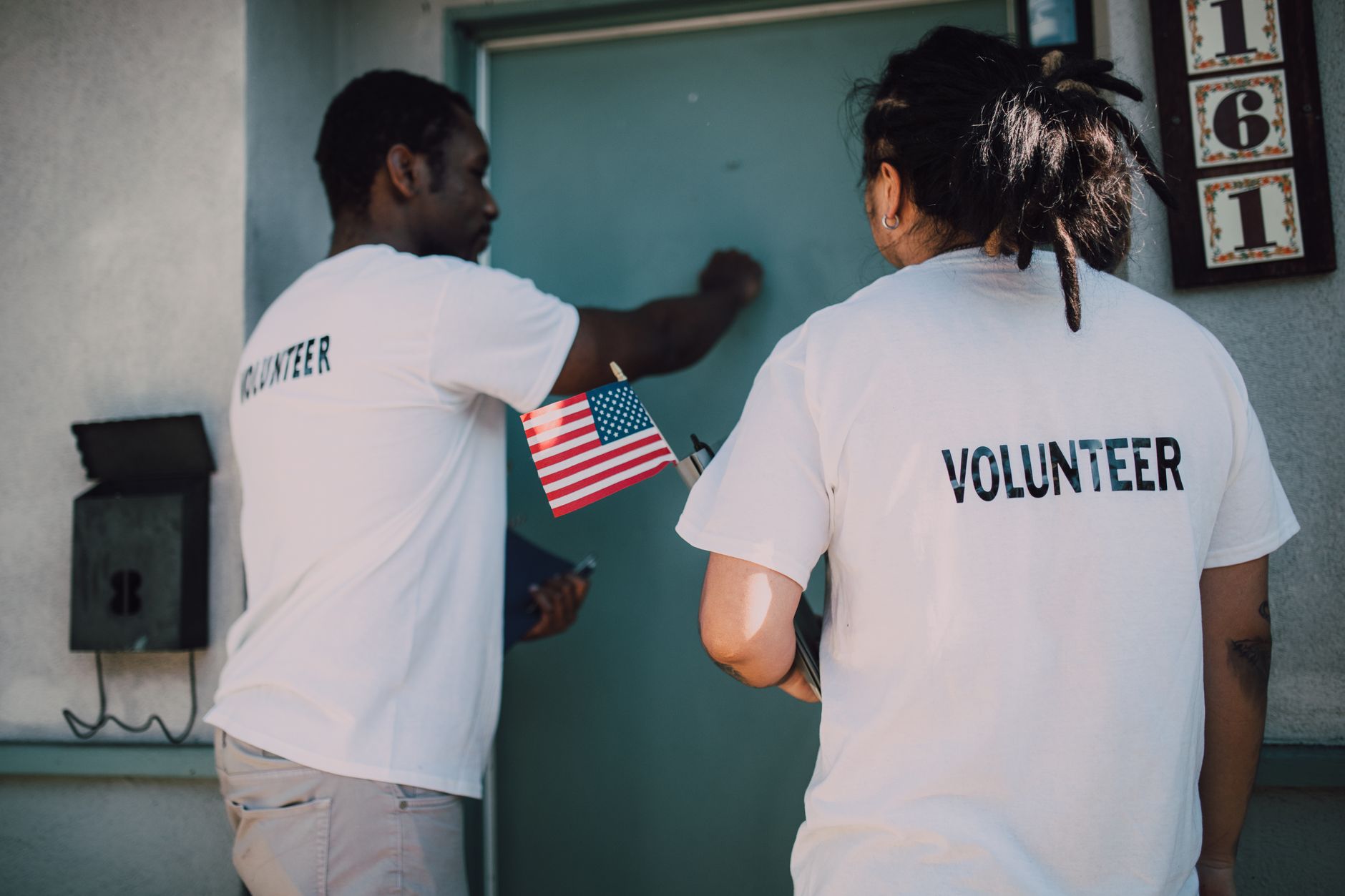
Fleet Options for a Charleston Church Mission Trip
For a Charleston church mission trip, the right vehicle depends on both headcount and what the team is carrying. A 20 to 56 volunteer group may need anything from a church van rental to a full church coach, depending on luggage, donated goods, tools, instruments, and the number of overnight bags. Longer drives out of Charleston on I-26, US-17, or the coastal and inland corridors make seat comfort, restroom planning, and storage more important than raw capacity alone. Driver-hours rules, overnight repositioning, and whether the vehicle must stay on site all day should all be built into the plan before the trip is confirmed. For multi-day ministry travel, the most efficient choice is often the vehicle that reduces transfers and keeps the congregation together from departure to return.
| Vehicle | Seats | Best For | Notes |
|---|---|---|---|
| 15-passenger church van | 12-15 | Use this for short Charleston-area church trips, airport transfers, or smaller ministry teams with minimal baggage. | Best for smaller support teams, airport shuttles, staff runs, or local church travel when the load is light. Cargo space is tight once luggage, boxed supplies, or instruments are added, and leaders should confirm driver requirements and comfort needs before assigning a long Charleston corridor. |
| 28-passenger mini-bus | 24-28 | Use this when a Charleston congregation has a mid-size mission team and needs flexible city and regional routing. | A practical fit for mid-size volunteer groups that need more room than a van but do not require a full motorcoach. It handles church group transportation well when the team has moderate luggage and wants easier parking at tighter Charleston venues. |
| 40-passenger mini-coach | 36-40 | Use this for Charleston church mission trips that are multi-day but not large enough to fill a full motorcoach. | A strong choice for medium groups that need comfort, storage, and smoother highway travel without the size of a full coach. It works well for church coach service on longer Lowcountry drives where the team wants fewer compromises on legroom and baggage. |
| 57-passenger motor coach | 47-57 | Use this when a Charleston church wants one vehicle for the entire mission team and its supplies. | Best for full church groups, combined congregations, or teams with substantial cargo and a strong need to stay together. It usually offers the best comfort and storage for longer ministry travel, though parking and site access must be checked carefully at downtown Charleston churches and smaller retreat properties. |
Where Charleston Church Groups Go for Mission Trip
Charleston congregations planning ministry travel often stay close to home for service projects, neighborhood outreach, and combined worship weekends, but they still need dependable church bus planning because the city has tight parking and busy traffic patterns. Historic churches such as First Scots Presbyterian, Circular Congregational, St. Michael's Episcopal, and Emanuel AME sit in a downtown environment where coach access, layover space, and timing matter. Seacoast Church and other multi-site ministries often move volunteers between campuses, ministries, and staging sites in North Charleston, West Ashley, Mount Pleasant, or Johns Island, which makes church group transportation a practical need rather than a luxury. For overnight retreats and service weekends, many groups use Charleston as a launch point for Seabrook Island and St. Christopher Camp and Conference Center, or for lowcountry ministry partners in the surrounding counties. Groups with Anglican and Episcopal ties also tend to favor retreat settings that support prayer, teaching, and table fellowship rather than just point-to-point travel.
Charleston church groups also travel inland for regional service and retreat events along I-26 toward Summerville, Orangeburg, Columbia, and eventually the Upstate, or south on US-17 toward Beaufort and the coastal ministry corridor. In the broader Charleston area, retreat and conference options such as James Island conference facilities, North Charleston event sites, and waterfront ministry properties support church coach trips for youth weekends, women's retreats, and men's discipleship outings. Retreat-at-church settings and mission house lodging are especially useful for Presbyterian, Episcopal, Anglican, and African Methodist Episcopal groups that want a simple, accountable overnight base. When a church team is carrying construction materials, canned goods, music equipment, or packing supplies, a larger church motorcoach with storage usually keeps the schedule cleaner than a string of private cars. For groups flying in or out, Charleston International Airport is the normal arrival point, and transportation planning should account for both luggage handling and the timing of the last flight of the day.
Multi-Day Routing From Charleston
Multi-day mission trips from Charleston work best when the route is mapped around real drive-time limits, rest breaks, and overnight logistics. Driver-hours rules mean the schedule should avoid pushing a church bus through too many live miles in one day without an actual stop and reset plan. On trips to St. Christopher Camp and Conference Center, James Island facilities, or inland retreat centers, leaders should decide early whether the vehicle will stay parked at the host site or return to a hotel lot each night. If the driver must overnight, the hotel needs to be confirmed before the route is finalized, especially for weekend ministry travel and summer weeks when local occupancy runs high. Charleston traffic around I-26, I-526, and the bridge network can also create delays at departure and return, so buffer time should be built into every day of the trip. A good church coach itinerary protects worship times, service blocks, and meal windows instead of trying to squeeze every minute out of the schedule.
For a church group going beyond Charleston, fuel and rest stops should be chosen with the vehicle size in mind, especially on US-17, I-26, and the longer inland routes toward Columbia or the Georgia line. Large motorcoaches need places with clear pull-through access, and host ministries should be told in advance exactly when the church bus will arrive, unload, and park. That applies equally to downtown arrivals at older Charleston sanctuaries and to rural or coastal mission hubs where parking is generous but driveway turns can be tight. Coordination with the host ministry should include a named contact, a phone number for day-of changes, and instructions for where the group should gather after unloading. For airport-linked trips, Charleston International Airport pickups should allow time for baggage claim, delayed flights, and the curb-space required for a coach or mini-bus. Clear arrival instructions reduce confusion and keep volunteers moving from transport to ministry without wasting the first hour on site.
What This Typically Costs From Charleston
Charleston church charter pricing for a 3 to 10 day mission trip usually reflects distance from the peninsula, live days on the road, hotel nights for the driver, and whether the bus is waiting or actively rolling each day. For church group transportation, the quote often includes a base charter rate, deadhead miles, fuel, tolls if any, and overage for extra hours or extra live use beyond the plan. Off-peak weekdays and shoulder-season dates around Charleston often price more favorably than peak summer weekends, graduation periods, or holiday ministry travel. For a 20 to 56 volunteer group, splitting the load across a church coach plus a support van can sometimes keep the overall trip more efficient than booking only one large motorcoach. Deposits are standard, and multi-day trips commonly require a clearer policy on driver overnights, cleanup, and last-minute route changes. The exact total depends on the corridor, the destination, and how much luggage, tools, or ministry cargo the congregation is carrying.
What Charleston Ministry Leaders Usually Ask
What size bus should a Charleston ministry choose for a 20 to 56 volunteer mission trip?
For a Charleston church mission trip, the best vehicle depends on whether the group is staying local, crossing the state, or driving several hours to a retreat center or work site. A 20 to 28 person team can often fit well in a mini-bus, while a 40 to 56 person team is usually better served by a full church motorcoach for comfort, storage, and fewer transfer points. If the team is carrying construction supplies, choir gear, or boxed donation items, the luggage bay and aisle space matter as much as the seat count. Charleston traffic, especially around the peninsula, James Island, West Ashley, and the I-26 approaches, also favors a vehicle plan that minimizes extra shuttle runs.
When does a Charleston church mission team need a motorcoach instead of a van?
A mission trip to downtown Charleston, North Charleston, or nearby church partners often uses a church bus or mini-coach because parking is tighter and the stops are shorter. A longer regional trip to places like St. Christopher Camp and Conference Center, retreat houses in Moncks Corner, or regional ministry sites in the Lowcountry often justifies a larger church coach with better storage and ride quality. If the group is moving around multiple work sites, a split fleet with a full-size motorcoach and a church van rental can make loading and unloading easier. The right answer usually comes down to luggage volume, number of stops, and whether the team needs a single vehicle all day.
Which Charleston roads matter most for church group transportation?
The main Charleston corridors for church travel include I-26 toward Columbia and the Upstate, I-526 for cross-town and port-area access, US-17 toward Savannah and the coastal route, and US-52 or US-78 depending on the exact regional destination. Those routes matter because mission teams often move from church campuses on the peninsula or in the suburbs to ministries in North Charleston, Summerville, Johns Island, or farther inland. A coach leaving from churches such as First Scots Presbyterian, Circular Congregational, St. Michael's Episcopal, Emanuel AME, or Seacoast Church needs a boarding and departure plan that avoids the heaviest downtown and bridge traffic windows. Good routing keeps the church bus out of last-minute congestion and leaves room for food, worship, and restroom breaks.
What airport should a Charleston church mission team use for arrivals?
For air arrivals, Charleston International Airport is the main commercial airport serving most church groups, and it is the practical transfer point for out-of-town volunteers flying in. Larger groups sometimes also connect through regional airports farther away when itinerary or fare options make sense, but Charleston International is the normal local gateway for ministry travel. Ground transport from the airport should account for luggage, late-arriving flight windows, and the time needed to stage a church coach or mini-bus curbside. For groups meeting at downtown churches or nearby hotels, it is wise to confirm the coach pickup area before flight day.
Where do Charleston church groups usually stay on mission trips?
Charleston church groups commonly use places like St. Christopher Camp and Conference Center on Seabrook Island, retreat and ministry properties around Charleston County, and host churches or campus housing tied to local congregations. Historic churches and mission-minded congregations such as First Scots Presbyterian, Circular Congregational, St. Michael's Episcopal, Emanuel AME, and multi-site church networks like Seacoast Church shape a lot of the city's volunteer, retreat, and outreach calendar. Some teams also stay at church-owned or church-adjacent houses such as the Mission House on James Island when the trip is work-based and the group needs simple overnight lodging. For denominationally connected groups, Episcopal, Presbyterian, Anglican, and African Methodist Episcopal travel patterns often differ in whether the trip is centered on retreat, service, teaching, or neighborhood outreach.
Is a church van rental enough for a Charleston mission trip?
Yes, a 15-passenger church van can work for a smaller travel team, but it is usually best when the group is light on luggage and the trip stays relatively simple. For longer Lowcountry routes, a mini-bus or mini-coach is often more comfortable because it offers better ride quality and more room for suitcases, Bibles, supplies, and boxed donations. A van can be useful for airport transfers, staff shuttles, or local support runs between Charleston churches and host sites. For a 3 to 10 day mission trip, many leaders prefer a larger church bus once the team starts carrying tools, music gear, or ministry materials.
How far ahead should a Charleston church reserve transportation?
For Charleston-based mission trips, the best planning window is usually several weeks to several months ahead, especially for summer dates, holiday weekends, and large church calendar events. Churches tied to downtown historic congregations, suburban campuses, and multi-site ministries often need extra time because the bus schedule has to work around worship services, youth lock-ins, and volunteer packing nights. It also helps to confirm where the vehicle will park overnight, because some downtown Charleston churches and hotels have limited coach space. Early booking improves the chance of getting the right church coach, the right driver coverage, and the right pickup time.
How to Book Your Charleston Church Mission Trip
To book Charleston church group transportation, have the trip dates, pickup address, headcount, destination, baggage load, and any instrument or supply list ready before requesting a quote. It also helps to note whether the team needs a church bus, church coach, mini-bus, or church van rental, plus whether the vehicle must wait on site or return each day. For most requests, a quote turnaround within 4 business hours is realistic once the route, overnight plan, and destination details are clear. When the quote comes back, check the vehicle type, mileage assumptions, driver overnight policy, deposit terms, and any extra-hour or extra-stop charges before approving it.
Related Church Transportation Pages
- Winston-Salem, NC: Mission Trip church bus in Winston-Salem
- Cincinnati, OH: Mission Trip church bus in Cincinnati
- Fort Worth, TX: Mission Trip church bus in Fort Worth
- Other Charleston church trips: Charleston Senior Ministry Day Trip charter bus
- Other Charleston church trips: Charleston Choir Tour charter bus
- Other Charleston church trips: Charleston Senior Ministry Day Trip charter bus
- Fleet overview: All church bus sizes and configurations
- Free quote: 60-second church group charter bus quote