
Charleston congregations planning Denominational Conference travel need church group transportation that handles historic-district access, bridge traffic, and multi-day ministry schedules without disrupting worship prep.
Overview: Charleston Church Denominational Conference Charter Bus Transportation
Charleston church leaders planning Denominational Conference transportation need to think differently than a typical sightseeing group because the city is built around worship history, dense historic districts, and strong denominational identity. First (Scots) Presbyterian, Circular Congregational, St. Michael's Episcopal, and Emanuel AME sit within a compact downtown pattern that rewards careful bus staging and passenger timing. Seacoast Church adds a multi-site, suburban, and commuter profile that often changes the vehicle mix from one event to the next. Across Charleston County, church travel can involve historic peninsula sites, West Ashley campuses, North Charleston hotel clusters, and James Island or Johns Island retreat access. That means the best faith-based group transportation plan is usually one that can handle church coach service, short shuttle moves, and luggage-heavy overnight trips in the same contract. In practice, churches in Charleston want a provider that knows how to move people without disrupting worship, rehearsal, or conference check-in.
Charleston's church calendar also affects when buses are available and when streets are hardest to navigate. Spring and fall tend to bring heavier demand from retreats, weddings, tourism, and denominational meetings, while summer adds youth ministry travel, camp traffic, and more congestion around the bridges and waterfront routes. A congregation from the peninsula may need one pickup at the church, one at a hotel, and then a direct run to a retreat center, while a larger church group transportation request may include worship, meals, and an evening return. For that reason, a mini-coach can be perfect for one Charleston denominational district meeting, while a full church motorcoach is better for multi-day conference work. Many church leaders also need enough cargo room for choir robes, AV equipment, and printed materials, especially when the group is representing a conference, presbytery, diocese, or association. Charleston's mix of historic sanctuaries and newer suburban campuses makes schedule discipline just as important as seat count.
Church travel in Charleston often serves more than one denominational style at once, because the city has deep Anglican, Presbyterian, Methodist, Baptist, AME, and non-denominational footprints. That matters when planning conference transportation, since some groups want a direct church-to-conference-center route while others need time for worship tours, cemetery visits, or clergy receptions. A bus that works for a downtown ecumenical gathering may not work as well for a youth rally at a retreat center or a choir weekend that includes multiple sanctuaries. Charleston church van rental can be useful for smaller clergy teams, but it usually cannot replace a full coach for larger denominational delegations with luggage and program materials. Local groups should also consider that downtown parking, bridge traffic, and curb access near historic churches can complicate even short trips, especially if the bus must idle or reload several times. The best plans keep the vehicle moving in a simple loop with one clear staging point.
For regional church group transportation, Charleston is both a starting point and a destination. Groups often run south to St. Christopher Camp and Conference Center on Seabrook Island, east toward Mount Pleasant and coastal retreats, west toward I-26 and inland conference centers, or north to North Charleston hotel and airport zones. Longer faith-based group transportation itineraries may extend to places such as St. George, the Midlands, or the Carolinas retreat network when the denomination needs a more secluded setting. Because these trips can last 3-7 days, charter planners should think about driver rest, overnight parking, and whether the host ministry can receive a full-size church coach. A strong transportation plan also protects the conference schedule when weather, bridge traffic, or late sessions shift the return time. In Charleston, the winning strategy is usually a vehicle that matches the church's worship style, cargo load, and actual route instead of just the headcount.
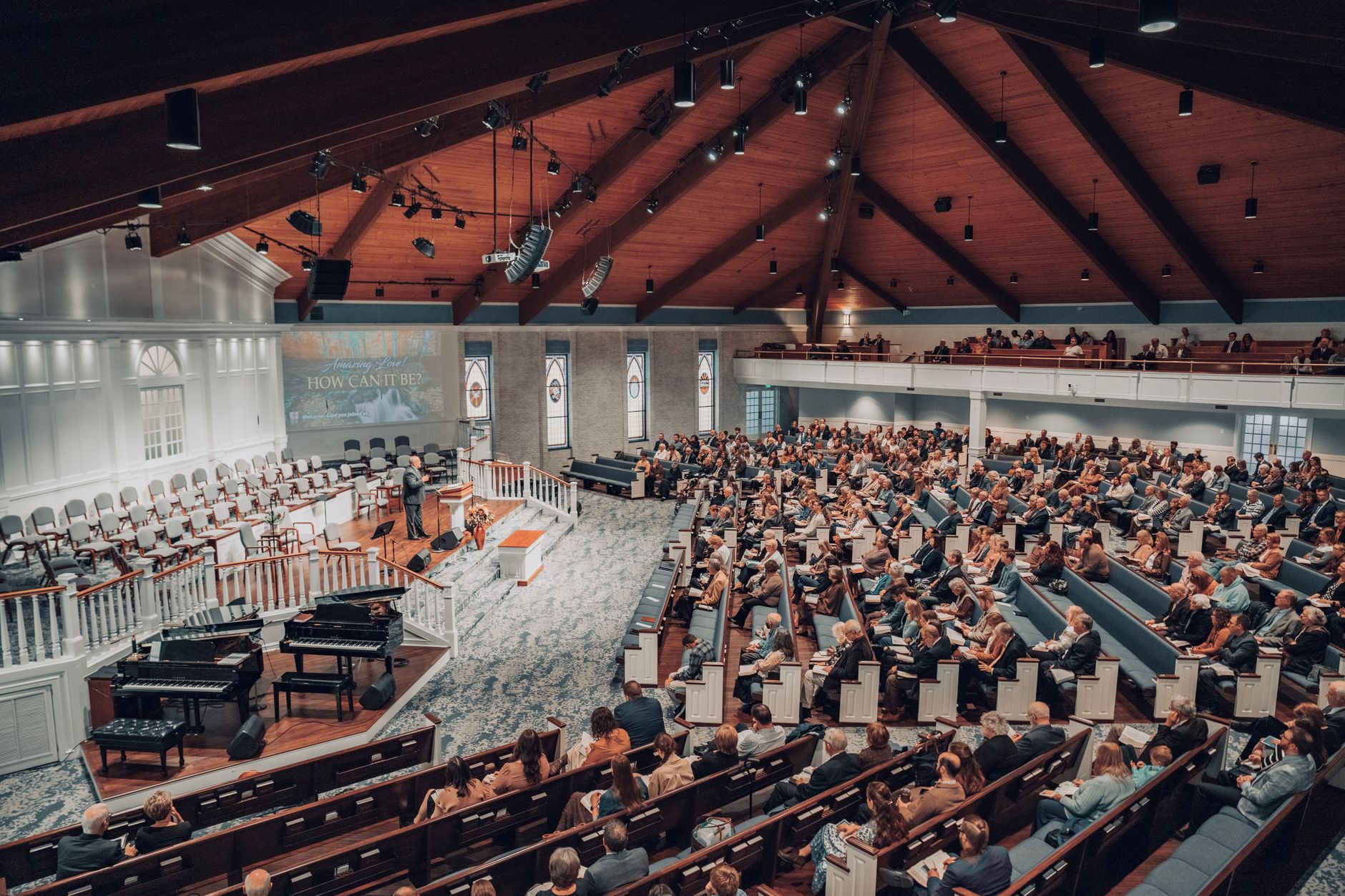
Fleet Options for a Charleston Church Denominational Conference
For Charleston Denominational Conference travel, the best vehicle depends on how many passengers are riding, how much ministry cargo is coming with them, and whether the route is a simple shuttle or a full 3-7 day loop. A church bus or church coach needs enough storage for hymnals, sound gear, banners, choir bags, communion supplies, and luggage without forcing passengers to crowd the aisle. On longer corridors out of Charleston, seating comfort and restroom access matter more than they do on a short local transfer. The quote should also match the expected duty cycle, because driver-hours rules, reset time, and overnight lodging can change the economics of a church motorcoach versus a smaller church van rental.
| Vehicle | Seats | Best For | Notes |
|---|---|---|---|
| 15-passenger church van | 12-15 | Use it for small Charleston ministry travel teams, airport transfers, or short hops between downtown churches and nearby hotels when the payload is light and the schedule is simple. | Best for light cargo, clergy teams, or small church travel parties that can keep luggage minimal and do not need a full-size coach. Depending on state and rental setup, driver requirements and insurance classifications can be stricter than leaders expect, and long trips feel tighter for legs, bags, and instruments. |
| 28-passenger mini-bus | 24-28 | Choose it for moderate-size congregation travel to downtown conference sites, suburban church campuses, or regional retreat centers within a few hours of Charleston. | Useful when a church group needs more seats than a van but does not need full motorcoach scale. It usually gives better cargo room for folders, robes, and small instruments, while keeping parking easier around Charleston's historic districts. |
| 40-passenger mini-coach | 36-40 | Use it for mid-size Charleston church group transportation when the itinerary includes multiple services, a meal stop, and a hotel-to-venue loop. | A strong fit for mixed-age church delegations, choir groups, and denominational conference shuttles that need comfort without the footprint of a full coach. It balances storage, ride quality, and access on Charleston streets where a giant vehicle may be awkward. |
| 57-passenger motor coach | 47-57 | Choose it for large church conferences, region-wide denominational meetings, and multi-day faith-based group transportation needing efficient long-haul comfort. | Best for larger denominations, district-level gatherings, choir travel, and longer ministry travel where luggage, instruments, and on-board comfort all matter. It is usually the most efficient option when one bus replaces multiple vehicles and the route runs several hours beyond Charleston. |
Where Charleston Church Groups Go for Denominational Conference
Charleston church groups planning Denominational Conference travel often center their routes on the peninsula, where historic congregations such as First (Scots) Presbyterian, Circular Congregational, St. Michael's Episcopal, Emanuel AME, the Greek Orthodox Church of the Holy Trinity, and the Unitarian Church in Charleston draw worship leaders, history tours, and denominational visitors. Downtown church travel usually means tighter loading zones, more passenger handoffs, and more need for a church coach that can stage once and return later rather than circle the block. For regional denomination events, many congregations pair downtown worship stops with hotel blocks in the peninsula, North Charleston, or Mount Pleasant so attendees can move by bus instead of by scattered rideshares. Charleston Baptist Church and Riverbluff Church are also useful suburban anchors when a conference schedule includes breakout sessions, youth training, or evening worship on the west side of the metro area. The dominant corridors are I-26 into Charleston, I-526 around the metro, and US-17 for local east-west movement, with the Mark Clark Expressway often serving as the practical bypass for church group transportation.
St. Christopher Camp and Conference Center on Seabrook Island is one of the most natural regional destinations for Episcopal and other retreat-oriented church travel, especially when a Denominational Conference needs worship, lodging, and waterfront retreat space within about an hour south of Charleston. Camp Long in Charleston can work well for smaller leadership retreats, youth planning sessions, and church meetings that do not need a full resort footprint but still want a conference-style setting. Farther out, the Lovely Hill Baptist Association Conference Center in St. George gives Baptist and association groups a realistic inland option off I-95 via I-26, while larger regional retreat networks such as Bethelwoods and Fellowship Camp and Conference Center are often used when a church conference needs more programming space and overnight structure. Charleston groups also travel to North Charleston airport hotels, downtown convention hotels, and multi-site worship campuses when the conference includes delegates from different parts of the Lowcountry. The transportation pattern is usually a church bus in the city, a church motorcoach for the longer regional leg, and a mini-bus or church van rental for the final local shuttle if the host site has limited parking.
Multi-Day Routing From Charleston
Charleston routing for denominational conferences starts with the city's major corridors: I-26 for access to downtown, North Charleston, and the inland route to Columbia; I-526 for the metro loop and connections toward West Ashley, Mount Pleasant, and North Charleston; and US-17 for many local movements across the peninsula and toward coastal communities. These roads matter because church travel is often tied to loading windows, not just travel time, and a congregation cannot always afford a late arrival for a worship session, choir rehearsal, or business meeting. When a church bus is serving historic downtown sites, the driver may need to stage away from the tightest blocks and then time the drop-off precisely. On multi-stop routes, it is often smarter to build a single unload at the conference venue and then use a later shuttle or walking plan than to circle several church doors. For larger delegations, a church coach can reduce the number of vehicles, but only if the host ministry confirms where the bus can park and turn. The best Charleston plans account for the city's bridge-heavy geography and avoid assuming that a downtown block works like a suburban campus.
For 3-7 day ministry travel, driver-hours-of-service and overnight reset planning are just as important as the conference agenda itself. A church motorcoach that leaves Charleston early, reaches a distant retreat center, and returns late the same night may be fine for a one-day schedule, but longer itineraries usually require a hotel room for the driver and a parking plan that keeps the vehicle secure. Fuel and restroom stops along I-26, US-17, or other regional highways should be mapped before departure so the group does not improvise on the road. If the itinerary includes St. Christopher Camp and Conference Center, Camp Long, a downtown sanctuary cluster, or an inland retreat center such as Lovely Hill, the host ministry should be told exactly when the bus arrives, when it departs, and where it stages between sessions. That same clarity helps with ministry travel to airport hotels or North Charleston event venues, where curb space can be limited and event traffic can back up unexpectedly. Charleston church groups get the best results when the broker, driver, and host ministry all agree on the unload point, the parking point, and the last pickup time before the conference begins.
What This Typically Costs From Charleston
Charleston church charters for Denominational Conference usually price by vehicle type, trip distance from Charleston, live days versus overnight days, and how much deadhead mileage is required before pickup. For a 3-7 day ministry travel itinerary, the quote often includes the coach, driver time, fuel, tolls if any, parking, and driver hotel coverage when the trip requires overnighting away from Charleston. Off-peak weekdays and shoulder-season dates are typically easier to source than summer weekends, especially when Charleston groups are competing with tourism, wedding traffic, and church retreat demand. Most operators also itemize deposits, cancellation windows, and per-hour or per-mile overage if the conference runs long or the route expands to additional worship sites. In many markets, a local shuttle or van schedule may be priced differently from a full church motorcoach because the use pattern and driver duty hours are not the same. For an accurate comparison, church leaders should ask for line items that show live use, standby time, and any second-day or third-day driver reset requirements.
What Charleston Ministry Leaders Usually Ask
How do I choose the right bus size for a Charleston church Denominational Conference?
For a Charleston denominational conference, the right vehicle depends on whether the group is making one hotel-to-venue loop or several church-to-church stops around the peninsula and West Ashley. Groups around 20-28 often do well with a mini-bus, while larger delegations from churches such as First (Scots) Presbyterian, Circular Congregational, St. Michael's Episcopal, Emanuel AME, or multi-site congregations like Seacoast Church usually need a mini-coach or motor coach. If musicians, AV teams, communion supplies, or youth luggage are riding along, the cargo layout matters as much as the seat count. For a multi-day conference, the quote should also account for the driver schedule, because the same church bus that works for a day trip may not be ideal for a 3-7 day ministry travel plan.
Is a 15-passenger church van enough for a Charleston ministry travel team?
Yes, if the itinerary is a straightforward local transfer or a short-area worship outing, a 15-passenger church van can work for small leadership teams or clergy support staff. It fits best when the group is light on luggage and does not need large instrument cases, choir robes, or boxed materials. On longer Charleston corridor trips, the van becomes less comfortable than a church coach because seating, aisle space, and storage are limited. For church van rental requests, the key question is whether the leader is trying to move people only or also move ministry cargo.
What Charleston routes create the biggest transportation delays for church conferences?
From Charleston, many church groups route along I-26 toward Columbia or inland ministry sites, and along US-17 and the Mark Clark Expressway toward West Ashley, Johns Island, and the peninsula. Trips to Seabrook Island for St. Christopher Camp and Conference Center, to Mount Pleasant parishes, or to North Charleston hotels and church venues need different timing because bridge traffic can slow boarding and arrivals. If the conference is hosted downtown near historic churches, parking and passenger unloading are usually more restrictive than at suburban campuses. A good church bus plan builds in buffer time for tunnel-free but bridge-heavy local traffic and for loading zones that are not designed for a full church motorcoach.
Should our Charleston denominational conference plan airport transfers from CHS?
Charleston International Airport is the nearest commercial airport for most church group transportation needs, and it is the most common airport transfer point for visiting speakers, diocesan leaders, and regional delegates. Many congregations coordinate pickups from airport arrivals, then move directly to downtown hotels, peninsula churches, or suburban ministry venues. Because the airport sits in North Charleston, the route from CHS to historic downtown or James Island can be affected by event traffic and convention demand. A church coach is usually better than multiple cars when luggage, rehearsal materials, and late-evening arrivals are involved.
Which Charleston retreat or conference centers are most practical for church groups?
Charleston groups commonly use St. Christopher Camp and Conference Center on Seabrook Island, Camp Long for smaller worship and training events, and other regional retreat properties farther upstate or into the Midlands when the conference needs a fuller retreat setting. Denominational meetings often pair downtown worship sites with hotel blocks in the peninsula, North Charleston, or Mount Pleasant, depending on budget and access. Episcopal, Presbyterian, Baptist, Methodist, and Anglican groups all tend to favor different retreat rhythms, but the transportation logic is the same: combine sleeping, sessions, and worship stops into one clean route. For faith-based group transportation, the biggest savings usually come from minimizing empty repositioning between the hotel, the chapel, and the conference center.
How do we manage driver overnights and parking on a Charleston church conference trip?
A 3-7 day church travel package usually needs the driver to be housed on overnight days, especially if the route leaves the Charleston metro area and returns after several days. The charter should also show where the bus will park between sessions, because downtown Charleston churches and older sanctuaries can have tight curb space and limited layover parking. A host ministry or camp should confirm motorcoach access, unloading areas, and whether a church van rental can stage on-site while the larger vehicle parks elsewhere. If there are multiple worship services, choir rehearsals, or a conference banquet, the schedule should include enough buffer for passenger movement and restroom breaks.
What should we know about bus parking near Charleston's historic churches?
Historic churches on the Charleston peninsula often need tighter routing than suburban campuses because streets are narrow, curb space is limited, and bus access near the sanctuary may be restricted. That is why groups visiting First (Scots) Presbyterian, Circular Congregational, St. Michael's Episcopal, Emanuel AME, or the Greek Orthodox and other downtown churches usually benefit from a church coach that can unload once and hold passengers to a timed return. On the peninsula, parking may be easier for a smaller mini-bus than for a full-size motorcoach, but a larger coach still makes sense if the group is moving between multiple services or conference sessions. Coordination with the host ministry should happen early so the driver knows exactly where to stage and where not to linger.
How to Book Your Charleston Church Denominational Conference
To book Charleston church group transportation, have the dates, pickup address, headcount, luggage and instrument count, and exact destination list ready before requesting the quote. It also helps to note whether the trip is a single-day church travel transfer, a 3-7 day conference run, or a route with multiple worship stops and hotel changes. A solid quote should identify the vehicle type, driver lodging needs, deadhead mileage, parking assumptions, and any possible overage for extra hours or extra miles. For most Charleston requests, a well-prepared broker can usually return a comparison within 4 business hours, especially when the itinerary, passenger count, and host ministry contacts are complete.
Related Church Transportation Pages
- Toledo, OH: Denominational Conference church bus in Toledo
- Charlotte, NC: Denominational Conference church bus in Charlotte
- Detroit, MI: Denominational Conference church bus in Detroit
- Other Charleston church trips: Charleston Church Summer Camp Shuttle charter bus
- Other Charleston church trips: Charleston Choir Tour charter bus
- Other Charleston church trips: Charleston Church Summer Camp Shuttle charter bus
- Fleet overview: All church bus sizes and configurations
- Free quote: 60-second church group charter bus quote