
Raleigh church choirs need transportation that can handle singers, directors, chaperones, and instrument crew without turning rehearsal gear into baggage-jam chaos.
Overview: Raleigh Church Choir Tour Charter Bus Transportation
Raleigh church choirs operate in a market with strong denominational density, so transportation planning has to fit more than one worship culture. The Summit Church brings a large Southern Baptist footprint across the Triangle, Providence Baptist reflects the city's SBC strength, Vintage Church serves a younger urban congregation, and Edenton Street UMC gives downtown Raleigh a historic Methodist anchor. That mix matters because choir tours often begin with formal rehearsal spaces, Sunday load-outs after multiple services, and directors who expect precise timing. A church coach has to support a real ministry schedule, not just a point-to-point ride, especially when singers are leaving after worship and returning for a midweek rehearsal. The best Raleigh church travel plans allow enough cushion for traffic, parking, and last-minute wardrobe or sheet-music checks. For many groups, the difference between a smooth tour and a stressful one is simply whether the charter schedule respects how church life actually runs in Raleigh.
Raleigh is also a practical launch point for multi-day congregation travel because the city sits at the center of the Triangle and connects quickly to the rest of North Carolina. Choir tours leaving Raleigh can use I-40 for westbound mountain or Triad travel, I-440 for around-town circulation, US 1 and US 64 for north and eastbound connections, and US 70 for southeast routing toward Garner, Clayton, and the coastal plain. That makes it easy for church bus planners to combine a Raleigh pickup with regional stops in Durham, Chapel Hill, Cary, or the surrounding SBC and PCA networks before heading out of town. Churches like Summit, Providence, Vintage, and Edenton Street often have enough attendance volume that parking and bus staging need to be thought through before a tour weekend. A church van rental may work for a small support team, but a choir tour with singers, directors, and instrument crew usually needs a more comfortable church motorcoach or mini-coach. For a three- to ten-day itinerary, the vehicle has to support both transit and community, since choirs often rehearse, pray, and change outfits on the road.
The Raleigh church calendar also shapes when choir tours can actually leave town. Spring brings Easter and graduation season, summer fills with camps, youth weeks, and mission travel, and fall often adds conference weekends, revival events, and denominational meetings that compete for buses and drivers. A church travel broker serving Raleigh has to watch Sunday service schedules at large campuses and downtown churches, because load-out after a full worship morning can be slower than a weekday departure from a church office lot. Historic congregations and larger Triangle ministries often need curbside coordination, while urban churches downtown may require a staging plan to keep congestion from blocking neighbors or crossing city parking rules. If the choir tour coincides with a summer camp at a North Carolina retreat center or a district gathering in another city, the charter should be set early enough to secure a church bus with the right cargo profile. In practice, Raleigh ministry travel works best when the itinerary is built around church realities first and highway miles second.
Because Raleigh serves as both a worship hub and a travel hub, church-group transportation here must balance local reputation, regional reach, and practical logistics. The city's churches send ensembles to choir festivals, conference worship teams, and mission concerts across North Carolina and beyond, so the transportation plan has to reflect that interstate range. Groups from edgier downtown congregations, large SBC campuses, and historic Methodist sanctuaries often want different levels of formality, but they all need dependable loading, clear timing, and room for folders, robes, and instrument cases. That is why a Raleigh choir tour should be matched to the exact number of riders rather than guessed from a rough headcount. When the plan is right, church coach travel supports the ministry instead of distracting from it. When it is wrong, the whole tour spends the first day solving preventable space and schedule problems.
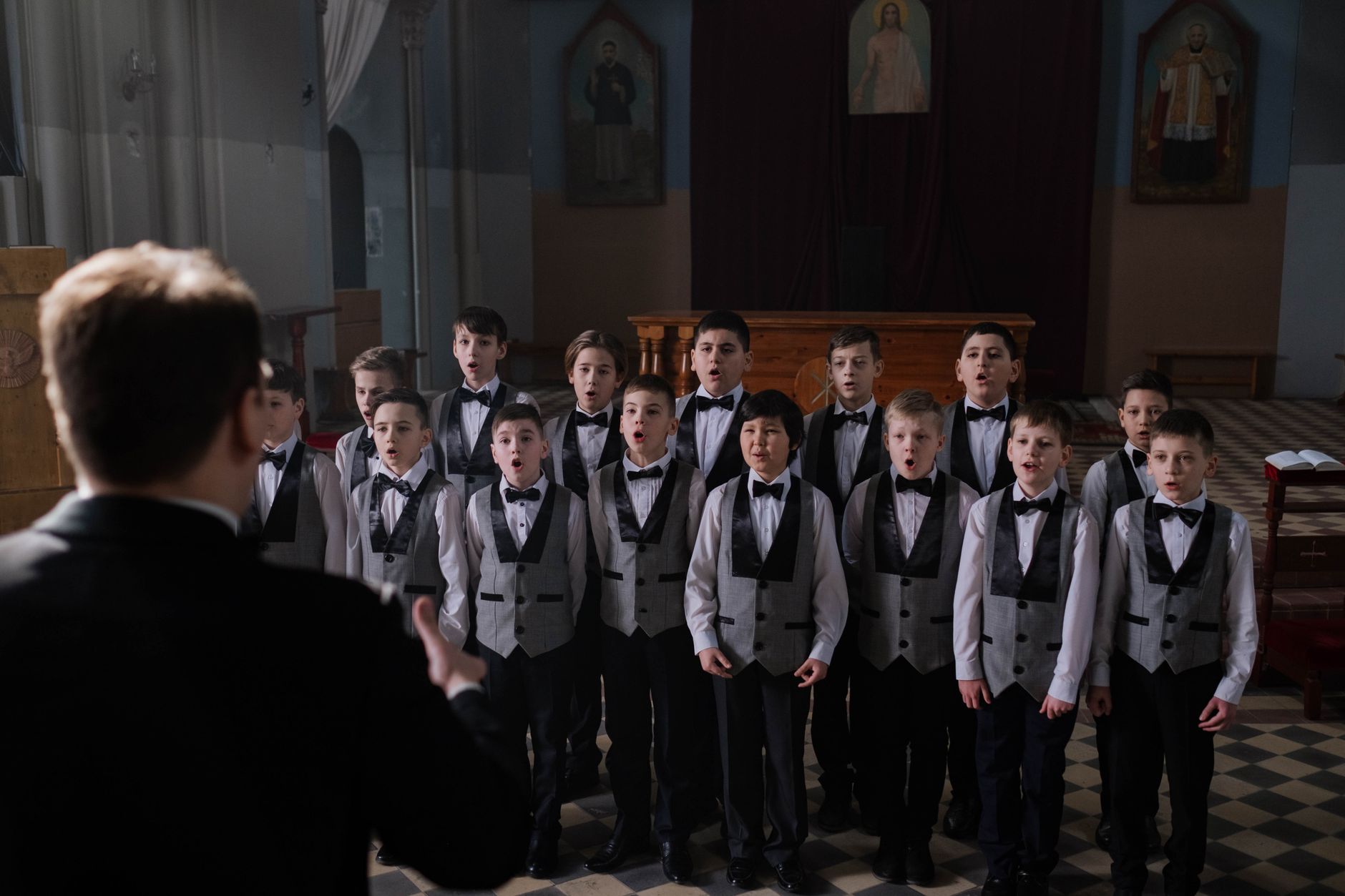
Fleet Options for a Raleigh Church Choir Tour
For a Raleigh church Choir Tour, the right vehicle depends on how many singers are traveling, how much luggage and music gear must ride underneath, and whether the itinerary is a single-hotel loop or a true multi-city ministry travel run. A church van rental can work for small support teams, but a 35 to 70 person choir usually needs a church coach, church motorcoach, or at least a mini-coach with real cargo space. Longer routes from Raleigh to Asheville, Charlotte, Atlanta, or the coast can create fatigue if the seating is too tight or the aisle is crowded with garment bags and instrument cases. Driver-hours rules, overnight parking, and hotel access should be built into the plan before the first rehearsal move, because the best church bus option is the one that can actually carry people, gear, and schedule changes without stress.
| Vehicle | Seats | Best For | Notes |
|---|---|---|---|
| 15-passenger church van | 12-15 | Use this for a small support crew, local rehearsal shuttle, or a compact ministry travel team leaving from Raleigh to a nearby church event or airport run. It is not the best fit for a full choir tour with singers, directors, and equipment over several days. | Best for a small church travel team, but it has limited cargo room and is not ideal for a full choir plus instruments; the driver should be properly licensed and the group should keep the load light for safety and comfort. |
| 28-passenger mini-bus | 24-28 | Use this for a smaller choir ensemble, youth music team, or a split-route church trip from Raleigh to a nearby retreat, conference, or one-night event. | Good for moderate cargo and a tighter church group transportation budget, but luggage and sound gear can quickly eat into space; check driver qualification requirements and make sure long-leg comfort is acceptable before booking. |
| 40-passenger mini-coach | 36-40 | Use this for mid-sized church choirs, mixed youth-and-adult music teams, or Raleigh congregations doing a regional Choir Tour with overnight stops and moderate equipment. | A strong fit when a Raleigh choir needs more comfort and cargo room than a mini-bus without moving all the way to a full-size coach; it usually handles luggage, folders, and some instruments well with better ride quality for longer church travel days. |
| 57-passenger motor coach | 47-57 | Use this for the full Raleigh Choir Tour lineup with 35 to 70 singers, directors, chaperones, and instrument crew, especially when the itinerary includes multiple cities and several overnight stays. | The best all-around choice for larger church group transportation because it offers the most seating, the most underfloor cargo space, and the smoothest long-distance ride; it is also the most efficient way to keep the choir together on long ministry travel routes. |
Where Raleigh Church Groups Go for Choir Tour
Raleigh church choirs often plan tours that start with familiar Triangle pickups and then fan out toward Asheville, Charlotte, Greensboro, Winston-Salem, and the eastern Carolina coast, depending on the worship and concert schedule. Many groups tied to Southern Baptist and PCA networks use church camps, Bible conference properties, and retreat centers that fit a 4 to 6 hour drive, while United Methodist and downtown Raleigh congregations may combine concert ministry with district events or denominational gatherings. In the Raleigh market, real church anchors matter because groups often rehearse or load at places such as The Summit Church, Providence Baptist Church, Vintage Church, and Edenton Street UMC before heading out. Regional destinations can include conference venues in Charlotte, mountain retreat spaces near Asheville, and camp properties across central North Carolina that can handle a full choir bus, trailer-style baggage, or a motorcoach unload. Hotels near the destination should be chosen with coach parking in mind, since choir tours usually need earlier check-in, later return times, and a predictable place for the church coach overnight.
For Raleigh church group transportation, the most practical choir-tour destinations are the ones that combine good worship alignment with usable coach access. SBC choirs often head to conference settings, associational events, and camp properties that can support large-group singing, while PCA ministries commonly look for retreat centers and Bible conference venues that keep the schedule centered on teaching, worship, and fellowship. From Raleigh, Interstate 40 is the backbone corridor toward Greensboro, Winston-Salem, and Asheville, while I-440, US 1, US 64, and US 70 help shape local pickup routes and airport transfers. Raleigh-Durham International Airport is the main commercial airport for fly-in guest artists or out-of-state add-ons, so even a land-based choir tour may need an airport shuttle leg before the coach leaves town. For overnight stays, choir leaders should prioritize hotels with bus parking, quick load-in, and enough meeting space for warmups or devotion time before each concert date.
Multi-Day Routing From Raleigh
For Raleigh choir tours that run four to ten days, the route should be mapped around driver hours-of-service, overnight stops, and realistic daily call times. A motorcoach driver cannot be expected to cover back-to-back long days without legal rest, so the itinerary should identify where the coach sleeps, where the driver sleeps, and how far the next morning's load-out is from the hotel. Raleigh departures toward Asheville or Atlanta can be especially demanding because the first long leg often uses I-40 and may require an early start from a downtown church or a northern Triangle campus. Fuel and rest stops should be planned on major corridors rather than at the last minute, which helps the church bus stay on schedule and reduces the risk of missed sound checks or worship rehearsals. Host ministries and camp directors appreciate a clear ETA, because choir tours often arrive with robes, instruments, and multiple layers of luggage that take time to unload. The best congregation travel plans build in a small buffer for prayer time, restroom breaks, and a smooth on-site check-in.
Multi-stop church group transportation out of Raleigh works best when the host venue, the hotel, and the driver all know the unloading sequence in advance. That is especially true if the route includes campuses or retreat centers with limited turning radius, narrow driveway access, or separate passenger and bus parking areas. A church motorcoach heading to a conference center may need a drop-off first, then a remote parking move, then a return pickup after evening worship. Downtown Raleigh churches such as Edenton Street UMC and urban campuses like Vintage Church are a good reminder that curb space can be limited even before the group leaves town, so the same discipline should be used at destination arrival. The route should also account for traffic patterns on I-440, Glenwood Avenue, US 1, and US 70 so the bus does not arrive during peak congestion. If the itinerary includes a fly-in guest or a split-group arrangement through Raleigh-Durham International Airport, the coach schedule needs extra margin to absorb baggage delays. Good faith-based group transportation is as much about timing and communication as it is about the vehicle itself.
What This Typically Costs From Raleigh
Raleigh church Choir Tour pricing usually depends on total live miles from the Triangle, the number of service days, whether the coach must stay on site overnight, and how much deadhead is required before pickup and after drop-off. For a 4 to 10 day church travel itinerary, the quote often separates the base motorcoach or mini-coach rate, driver hours, hotel rooms for the driver on overnight legs, and any tolls, parking, or venue access fees. Weekday ministry travel outside peak summer and holiday weekends is usually easier to price than a July or Christmas season run, especially when the route includes downtown Raleigh pickups, airport transfers, or multiple church stops. Longer choir tours commonly add per-hour or per-mile overage if the itinerary changes after dispatch, so exact call times and loading windows matter. Deposits are typical to hold the equipment, and final pricing usually rises if the group asks for late-night returns, additional luggage space, or a second vehicle for instruments and support crew.
What Raleigh Ministry Leaders Usually Ask
What is the best vehicle for a Raleigh choir tour with 35 to 70 people?
For a Raleigh choir tour with 35 to 70 singers, the safest starting point is usually a 40-passenger mini-coach or a 57-passenger motor coach, then adjust upward if the group carries risers, bass instruments, sound gear, or multiple suitcases per rider. A church bus or church motorcoach also gives more aisle comfort for multi-day church travel than a smaller church van rental. If the group splits between singers and crew, a second support vehicle can keep loading simpler at downtown Raleigh churches such as Edenton Street UMC or Vintage Church. The right choice also depends on whether the director wants everyone on one coach for rehearsals and prayer time or prefers a second vehicle for overflow and cargo.
Should a Raleigh church choir tour split passengers and cargo into two vehicles?
Yes, many Raleigh church groups use one vehicle for the main choir and a second unit for instruments, audio cases, coolers, and luggage, especially when the route includes several cities over 4 to 10 days. That setup reduces aisle clutter and makes it easier to keep church coach seating orderly on long intercity runs. It is especially helpful when departures come from dense church campuses near Glenwood Avenue, downtown Raleigh, or North Raleigh, where loading space can be tight. For ministry travel, the second vehicle can also serve as a shuttle for late-arriving singers or local staff.
Which Raleigh corridors matter most for choir tour departures?
Raleigh church groups often leave from corridors near I-40, I-440, I-540, US 1, US 64, and US 70, so the pickup plan should account for morning congestion and church parking access. Downtown Raleigh churches and campuses near Blue Ridge Road or Glenwood Avenue may need extra time for load-in because buses cannot always sit curbside for long. A church bus loading window should be set before the busiest worship or rehearsal hour, and the manifest should note every stop in order. If the itinerary includes airport transfers at RDU, the driver should be given the exact terminal and baggage timing so the church group transportation runs smoothly.
How should a Raleigh church plan airport transfers for choir tour?
For Raleigh-based church travel, the nearest commercial airport is Raleigh-Durham International Airport, which is the main air gateway for out-of-state guest directors or returning mission personnel. If the itinerary is tied to a fly-in choir tour, a church coach should be scheduled with enough slack for baggage claim, curbside loading, and any airline delay at RDU. Groups using downtown Raleigh churches or campuses in the Triangle should also allow time for parking control and traffic on Glenwood, Capital Boulevard, and the I-40 approaches. A reliable faith-based group transportation plan treats the airport transfer as part of the full ministry travel schedule, not as a separate errand.
Where do Raleigh church choir tours usually go?
Raleigh church choirs commonly travel to Asheville for conference and retreat settings, Charlotte for larger church events, Greensboro and Winston-Salem for regional ministry stops, and coastal or mountain destinations that fit a 4 to 10 day route. On the retreat side, Triangle and eastern North Carolina groups often use church camps, conference centers, and denominational meeting spaces in the 4 to 6 hour range, with pickup patterns shaped by SBC, United Methodist, and PCA calendars. A church motorcoach works well when the route includes multiple worship services, evening concerts, and hotel changes in different cities. For denomination-specific planning, SBC and PCA groups often prioritize Bible conference or camp environments, while United Methodist choirs may combine music travel with district or conference gatherings.
What routing issues matter on a 4 to 10 day Raleigh choir tour?
Most Raleigh church groups should plan for the coach to stay overnight with the travelers whenever the route spans multiple days and the itinerary includes early call times the next morning. Driver duty limits and rest requirements can affect whether the same driver can legally cover a full choir tour schedule, so the route should include protected sleep time and realistic daily mileage. Fuel stops should be planned on the way out of Raleigh rather than improvised, especially when leaving near rush periods on I-40 or I-85 connections. The best church group transportation plans also reserve safe parking at the hotel or host venue before arrival, since some downtown sites and campus ministries have limited coach space.
When is the best time for a Raleigh church to book choir tour transportation?
Summer choir tour season, holiday presentations, and spring festival weekends usually create the strongest demand for church coach and church bus equipment in the Raleigh market. Off-peak weekday ministry travel is often easier to schedule and can be more efficient than a peak Saturday departure after Sunday worship at a large congregation. The quote should spell out deadhead mileage, any driver hotel nights, and per-hour overage if rehearsals or concerts run long. Raleigh churches with multiple services, such as larger Triangle congregations and historic downtown churches, often book earlier because load-in windows around worship are tight.
How to Book Your Raleigh Church Choir Tour
To book a Raleigh choir tour, have the dates, pickup address, total headcount, luggage count, instrument list, and destination cities ready before requesting a quote. The most accurate church bus estimate also needs the expected rehearsal times, service times, hotel plan, and any airport transfer details tied to RDU. A good returned proposal should show the vehicle type, mileage assumptions, driver overnight needs, and any possible extra charges for delays, parking, or added stops. For a Raleigh church group transportation request, the fastest responses usually come when the ministry leader shares a complete itinerary up front and confirms who will approve final route changes.
Related Church Transportation Pages
- Fort Wayne, IN: Choir Tour church bus in Fort Wayne
- Indianapolis, IN: Choir Tour church bus in Indianapolis
- Memphis, TN: Choir Tour church bus in Memphis
- Other Raleigh church trips: Raleigh Mission Trip charter bus
- Other Raleigh church trips: Raleigh VBS Field Trip charter bus
- Other Raleigh church trips: Raleigh Mission Trip charter bus
- Fleet overview: All church bus sizes and configurations
- Free quote: 60-second church group charter bus quote