
Pittsburgh church choirs, worship teams, and ministry crews often travel with robes, instruments, folders, and chaperones all in one plan.
Overview: Pittsburgh Church Choir Tour Charter Bus Transportation
Pittsburgh congregations planning Choir Tour usually need a transportation partner that understands both church life and the city's physical layout. The local church landscape includes historic mainline and Catholic institutions, Anglican and Presbyterian congregations, and multi-site evangelical ministries, so the travel plan often has to support different worship styles and rehearsal expectations. Churches such as Shadyside Presbyterian, Allegheny Center Alliance, City Reformed, Orchard Hill Church, Bible Chapel, and diocesan parishes across the city all have different load-in habits and parking realities. A choir bus plan that works for a downtown cathedral service may not work for a suburban church exchange in the North Hills or a retreat departure from the South Hills. Pittsburgh church travel also tends to cluster around seasonal moments like Lent, Holy Week, Easter, summer mission weeks, fall retreats, and Advent. That means the best broker knows not just buses, but the rhythm of congregation travel in the city.
The strongest Choir Tour itineraries from Pittsburgh usually combine local congregational contacts with regional destinations that fit the group's liturgical and musical goals. Western Pennsylvania offers camp and conference properties in the Laurel Highlands, church retreat centers along the river valleys, and urban worship opportunities in nearby cities that are reachable within a day's drive. A church coach can keep singers together on the way to a host parish, a denominational assembly, or a retreat campus where meals and lodging are packaged together. The denominational mix matters too, because Catholic, Anglican, PCA, Alliance, and mainline Protestant groups often prefer different kinds of rehearsal spaces and worship timing. Pittsburgh's strong church density makes it easy to build a multi-stop itinerary, but it also means coordinating with several sanctuaries, pastors, and musicians across a busy calendar. For that reason, faith-based group transportation for Choir Tour should always start with the ministry purpose, not just the route.
Groups leaving Pittsburgh should also think about the city's airport and highway structure as part of the transportation plan. Pittsburgh International Airport is the primary commercial airport for most church travel, while Allegheny County Airport is relevant for smaller aviation needs or executive ministry coordination. The city's main outbound corridors include I-376, I-79, I-76, I-70, US 22, and US 30, all of which influence how a coach reaches concerts, camps, hotels, and churches. That matters when a choir has robes, percussion, music stands, or backline equipment, because cargo handling changes the loading time and the parking strategy. A church bus that is perfect for a short East End trip may not be the best choice for a 10-day multi-city route. Pittsburgh leaders who plan ahead can avoid the common mistakes of choosing the wrong vehicle, underestimating loading time, or scheduling an arrival window that conflicts with rush hour or a worship call time.
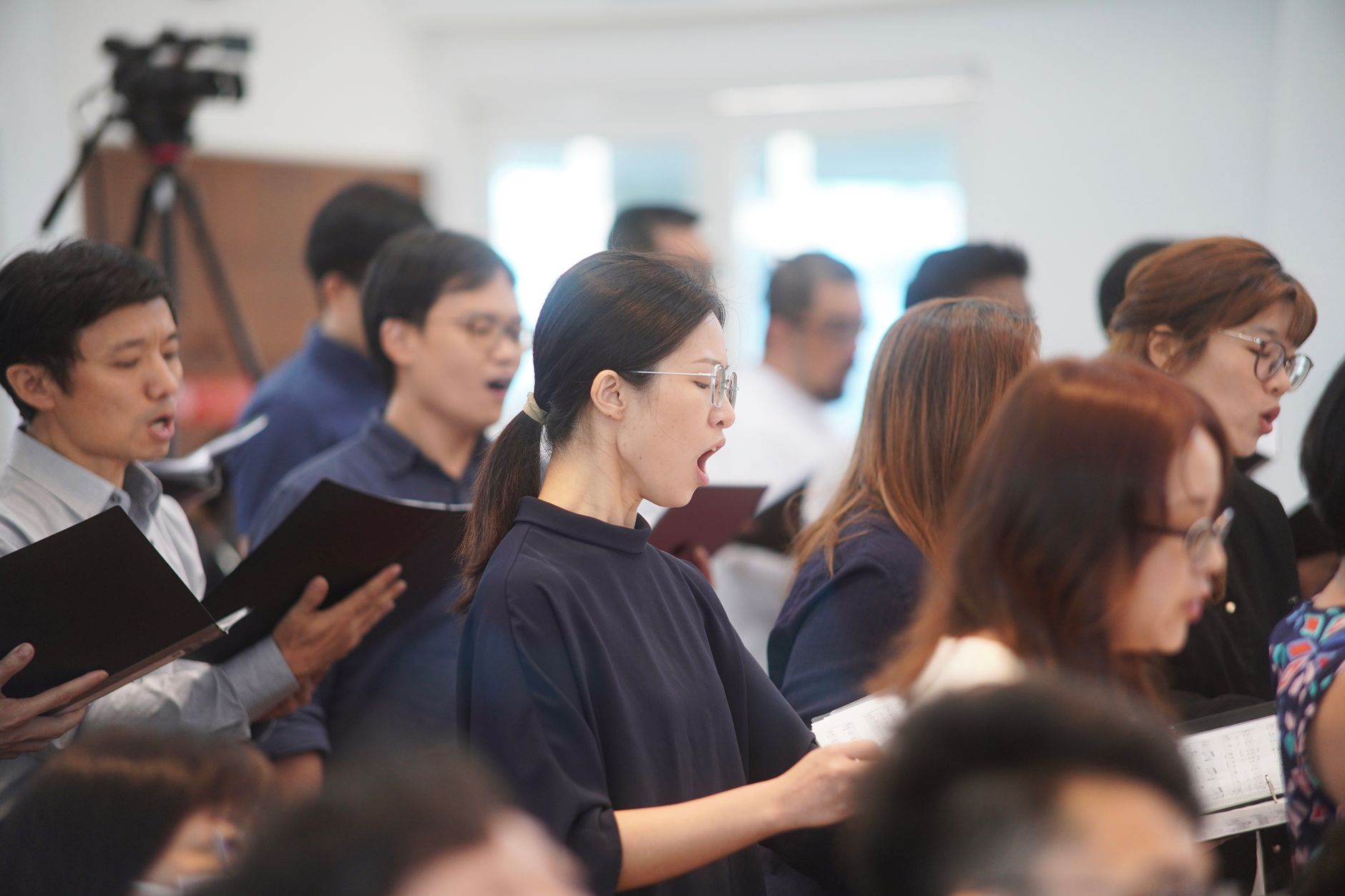
Church groups in Pittsburgh also need a charter plan that respects how music ministry actually moves. Singers often travel with directors, accompanists, youth chaperones, and a small production crew, which creates a mix of passenger needs and luggage needs that ordinary shuttle service does not handle well. A larger church motorcoach can keep the whole roster on one vehicle for long regional runs, while a mini-coach may work if the group is split between singers and support staff. Many churches prefer a coach that can handle robes, instrument cases, communion supplies, or mission materials without forcing the crew to pack lightly. Pittsburgh's hills, bridges, and older urban street patterns can make boarding and unloading slower than in flatter cities, especially near historic sanctuaries and downtown campuses. That is why a broker who understands church group transportation in Pittsburgh should always plan for extra time at the curb, not just the miles on the map.
Fleet Options for a Pittsburgh Church Choir Tour
For a Pittsburgh church Choir Tour, the right vehicle depends on how many singers, how much cargo the group carries, and whether the trip is a one-city weekend or a 4 to 10 day regional run. A 35 to 70 person ensemble usually needs a church coach or split fleet rather than a single small bus, especially when robes, instruments, sound gear, and chaperone bags are included. Longer corridor travel on I-79, I-76, I-70, US 22, and US 30 makes seat comfort and cargo space more important than a simple seat count. Driver-hours rules also matter on overnight ministry travel, because a longer schedule means realistic breaks, overnight reset time, and proper hotel accommodations for the driver. In Pittsburgh, it is smart to plan for narrow church parking, bridge traffic, and tighter curb space around urban sanctuaries before deciding on the final coach size.
| Vehicle | Seats | Best For | Notes |
|---|---|---|---|
| 15-passenger church van | 12-15 | Use it for local congregation travel, airport transfers, or a small ministry subgroup that does not need the full choir load hauled together in one vehicle. | Best for directors, small support teams, or a short shuttle between Pittsburgh churches and nearby rehearsal sites. Cargo is tight once robes, folders, and instruments are loaded, and the driver should be assigned with the same care as any other church travel vehicle. |
| 28-passenger mini-bus | 24-28 | Use it for shorter Pittsburgh corridor trips or as a second vehicle on a larger church group transportation plan. | Useful for mid-sized support groups, youth singers, or a split operation where the full choir takes a larger coach and the crew rides separately. It can handle moderate luggage, but comfort and storage become limited on longer church bus routes. |
| 40-passenger mini-coach | 36-40 | Use it for medium-sized faith-based group transportation runs from Pittsburgh to regional churches, camps, and retreat centers. | A strong fit when the choir is too large for a van but does not need full-size coach capacity. It gives better seating and baggage space than a mini-bus, though underfloor cargo and ride comfort are still more limited than a larger church motorcoach. |
| 57-passenger motor coach | 47-57 | Use it when the full roster, luggage, and music gear need to stay together on a multi-day church travel itinerary. | Best for the typical full choir tour with singers, directors, chaperones, and instrument crew traveling together across multiple cities. It offers the best cargo capacity, aisle comfort, and long-haul ride quality for overnight ministry travel out of Pittsburgh. |
Where Pittsburgh Church Groups Go for Choir Tour
Pittsburgh church groups often build Choir Tour around regional worship hubs, retreat properties, and city-to-city ministry stops that sit within a realistic driving day from the Steel City. Common westbound and northbound routes use I-79 toward Erie, Washington, and the connection points that reach western Pennsylvania, while eastbound plans often follow I-76 toward central and eastern Pennsylvania church venues. For local congregational partnerships, many groups coordinate with churches in the city core and East End such as Shadyside Presbyterian, City Reformed, Allegheny Center Alliance, and nearby Anglican and Catholic parishes connected to the Diocese of Pittsburgh. When the itinerary needs rehearsal space, overnight lodging, and a campus-style setting, retreat sites in the Laurel Highlands are a frequent fit because they can handle both music ministry and group meals. Ligonier Camp and Conference Center is one example of the kind of destination Pittsburgh churches use when they want a single property for worship, practice, and overnight church travel. Groups also stage through hotel corridors near Robinson, Cranberry, or Monroeville so the coach can avoid repeated cross-city moves.
Many Pittsburgh choirs also travel farther for festival-style church events, district gatherings, and denominational conferences in cities reachable by the major interstate network. I-70 supports southwest movement toward the Ohio Valley, while I-76 and I-80 keep longer church coach itineraries connected to broader regional ministry travel. Depending on the denomination, the destination may be a Catholic parish event, a mainline Protestant choir exchange, an Anglican worship gathering, or a PCA or Alliance retreat where the whole group can stay together. Local church culture matters because historic congregations like Shadyside Presbyterian and urban ministries on the North Side tend to plan differently than suburban multi-site churches such as Orchard Hill Church or larger evangelical bodies like Bible Chapel. For that reason, the best transport plan reflects whether the group needs a downtown sanctuary, a camp property, a conference center, or a hotel-based overnight stop. Pittsburgh leaders often choose a church bus or church motorcoach that can keep instruments secure while still fitting the liturgical schedule and load-in requirements of the host ministry.
Multi-Day Routing From Pittsburgh
Multi-day Choir Tour routing out of Pittsburgh needs to be built around driver-hours compliance, predictable hotel placement, and practical fuel planning. A route that starts near downtown, Oakland, or the North Side can run behind schedule quickly if it collides with bridge traffic or a worship service that ends later than expected. For trips using I-79, I-76, I-70, US 22, or US 30, the best plan is often to schedule the first meal stop and the first fuel stop outside the tight urban core so the coach can get clear of local congestion. If the itinerary includes late-night rehearsals or evening worship, the broker should protect the driver's reset time by choosing a nearby hotel instead of pushing to a distant overnight point. Churches also need a realistic on-arrival parking plan, because many host sanctuaries can unload passengers but cannot safely store a full-size coach all day. The more detailed the load-in and parking instructions are, the smoother the church travel day will run.
On a 4 to 10 day ministry travel itinerary, the exact sequence of churches, conference sites, and retreat centers matters as much as the destination list. Pittsburgh choirs often travel through corridor cities in Ohio, West Virginia, and Pennsylvania, then return through a different route to avoid repeating the same traffic bottlenecks. That can help if the group is coordinating with multiple host ministries, since one church might have early evening rehearsal and the next might need a Sunday morning arrival. Driver hotel selection should be tied to the actual corridor, not just the cheapest room, because a coach stranded on the wrong side of the metro area can add unnecessary deadhead miles. Fuel and rest stops should be chosen where buses can enter and exit cleanly, especially when the route uses tight interchanges or suburban shopping corridors. Coordination with the host ministry, camp office, or conference manager should include arrival time, unloading method, and the name of the person who will meet the coach. Those details make a big difference for a church bus or church motorcoach arriving from Pittsburgh after a long day on the road.
What This Typically Costs From Pittsburgh
For Pittsburgh church Choir Tour charters, pricing usually reflects distance from the city, live days, hotel nights for the driver, and whether the group runs one coach or a split fleet. A downtown Pittsburgh pickup for a 4-day regional itinerary will usually price differently than a 10-day multi-city ministry travel run using I-79, I-76, I-70, or US 22 into Ohio, West Virginia, and beyond. In most markets, the quote will separate base vehicle time, deadhead miles, fuel, tolls, parking, driver overnights, and any per-hour overage if rehearsals, ministry stops, or late church events extend the day. Off-peak weekdays are often easier to secure than summer weekends, holiday worship seasons, and spring choir calendar dates around Easter and graduations. Deposits are typically required to hold the coach, and a final balance often depends on the exact itinerary, hotel count, and any change in mileage or schedule. For a church bus or church motorcoach broker quote, the cleanest way to avoid surprises is to lock the route, overnight count, and load-in/load-out windows early.
What Pittsburgh Ministry Leaders Usually Ask
What Pittsburgh churches most often plan choir tour or congregation travel itineraries? From the city side, common planners include historic and active congregations such as Shadyside Presbyterian, City Reformed, Allegheny Center Alliance, Orchard Hill Church, Bible Chapel, and Anglican and Catholic parishes connected to the Diocese of Pittsburgh. These ministries often send choirs, worship teams, and youth musicians to other churches, retreat centers, and festival venues. Their travel patterns usually favor organized loading times, disciplined rehearsal schedules, and careful coordination with host sanctuaries. A broker familiar with church travel can match the vehicle to the denominational culture, whether the group values older sanctuary access, multi-site movement, or youth-heavy support crews.
For Pittsburgh church choir tours, the best fit depends on headcount, instrument cargo, and how many city-to-city moves the ministry travel schedule includes. A 35 to 70 person group often needs at least one full-size church coach, or a coach plus a smaller support vehicle if there are risers, sound cases, robes, or youth chaperones. Pittsburgh groups also need to think about parking at worship venues in Oakland, downtown, the North Side, and Shadyside, where curb space can be limited. If the trip includes long stretches on I-76 or I-70, a motorcoach usually gives the best comfort and cargo flexibility. For short local hops between churches, a mini-bus or church van rental may work for part of the party, but it can complicate luggage handling.
What airports matter for Pittsburgh church group transportation on choir tour? Pittsburgh International Airport is the primary commercial airport for the region, and Allegheny County Airport is a major general aviation option for local ministry coordination. For some eastern Pennsylvania or broader regional itineraries, groups may also stage around nearby commercial airports outside the city, but Pittsburgh International is the usual first choice for flight connections. Airport pickup for choirs is best handled with a church coach that can stage in advance, because baggage, robes, and instrument cases take more curb time than a standard passenger transfer. For church bus planning, it is wise to confirm the exact terminal meeting point and any parking instructions before the group arrives.
Which corridors matter most for a Pittsburgh choir tour leaving the city? The main outbound routes are I-376 to Pittsburgh International Airport and the west hills, I-79 toward Erie, Washington, and West Virginia connections, I-76 Pennsylvania Turnpike east and west, I-70 toward the southwest and Ohio Valley, and US 22 and US 30 for regional church and camp access. These routes shape where fuel stops, driver swaps, and meals make sense. A choir tour that starts near Oakland or downtown can lose time quickly if load-in conflicts with rush hour on the Parkway or bridge crossings. Planning around those corridors is as important as choosing the right church motorcoach.
How should a Pittsburgh choir tour handle driver hours and overnight logistics? Multi-day faith-based group transportation runs must be built around DOT service limits, which means the route and event times need to allow for rest breaks and legal overnight resets. A driver should have a real hotel room, not a bus seat, and that room should usually be near the end-of-day venue or along the travel corridor. Pittsburgh departures toward Ohio, central Pennsylvania, or West Virginia often need fuel and meal stops outside the tight city core so the coach can stay on schedule. Good ministry travel also includes confirmed on-site parking, because choir loads, robe racks, and instrument cases are harder to move than ordinary luggage.
Where do Pittsburgh churches commonly take choirs, retreats, or youth ministries within a 4 to 6 hour drive? Frequent regional destinations include Laurel Highlands retreat properties, camp and conference centers in western Pennsylvania, and church-hosting cities reachable by I-79, I-76, I-70, I-80, US 22, and US 30. Examples of common faith-based group transportation destinations include Ligonier Camp and Conference Center, Lancaster-area conference and church event sites farther east, and urban ministry or festival stops in Cleveland, Columbus, Erie, and Washington, PA. Many Presbyterian, Anglican, Alliance, and Catholic groups favor retreat or conference venues that can handle rehearsal space, dining, and overnight lodging in one property. The most efficient church travel plans pair a central overnight site with short daily excursions to host congregations or downtown performance venues.
How far ahead should a Pittsburgh ministry leader book a choir tour coach? For Pittsburgh church group transportation, booking early is best, especially for spring choir season, summer mission travel, Advent, Christmas, and Easter-related ministry travel. A realistic quote turnaround is often fast once the dates, headcount, route, and overnight count are clear, but the best equipment can sell out quickly on weekend church calendars. Groups should have their pickup address, instrument and luggage count, destination list, and worship or performance times ready before requesting a quote. It also helps to identify whether the group needs one church coach, a split fleet with a church van rental, or a smaller support vehicle for directors and crew.
What is the best way to park and load a church motorcoach in Pittsburgh? Downtown Pittsburgh, Oakland, Shadyside, and North Side church blocks can be tight for a full-size coach, so loading plans should be set before arrival. A broker should confirm whether the host church, camp, or hotel has a dedicated motorcoach area, a side lot, or a nearby staging curb. If the event is at a smaller sanctuary like a neighborhood Presbyterian or Anglican church, the driver may need to use a nearby commercial lot and walk the group in. That same planning matters for Catholic parishes and urban ministries where street parking and time limits can affect the load-in window.
Which Pittsburgh venues are common choir tour stops for local church groups? Pittsburgh church choirs often perform at neighborhood sanctuaries, downtown worship centers, university chapels, and retreat properties in the Laurel Highlands or along the Ohio River corridor. Historic congregations such as Shadyside Presbyterian, City Reformed, and parish settings tied to the Diocese of Pittsburgh create strong precedents for careful liturgical timing and orderly arrivals. Groups also stage around regional conference centers and camp properties that can handle rehearsals, meals, and overnight stays in one place. The most successful church travel routes keep the coach close to the venue so singers are not arriving tired after long urban transfers.
What should a Pittsburgh church ask before booking a 15-passenger van for choir travel? A 15-passenger church van works best for smaller support teams, not the main 35 to 70 singer roster. It can help move directors, sound crew, or a praise team on shorter hops around the city or to a nearby rehearsal site. For longer corridor trips, comfort and cargo space become more limited, especially when robes, stands, and percussion equipment are included. A church van rental also requires a driver plan that follows the group policy and the route length, because the right vehicle does not remove the need for safe scheduling.
Which seasonal patterns affect Pittsburgh choir tour transportation the most? Spring and early summer are especially busy because churches schedule choir tours around Easter, graduation, confirmations, mission weekends, and youth ministry calendar blocks. Fall retreat season also drives demand for church coach and church bus rentals, especially when groups travel toward Laurel Highlands camp properties or regional conference centers. Winter travel can add weather risk on I-376, I-79, and the Pennsylvania Turnpike, so timing and buffer windows matter more than usual. A Pittsburgh broker should expect the calendar to tighten around civic traffic, school schedules, and major worship dates at local churches and cathedrals.
What is the main difference between a mini-coach and a motorcoach for Pittsburgh church choir tours? A mini-coach usually fits a mid-sized choir with lighter luggage and shorter daily mileage, while a full motorcoach is better for longer distances and larger instrument loads. If the route runs from Pittsburgh to multiple cities with overnight stays, a motorcoach usually gives more underfloor storage and a smoother ride. For a 35 to 70 person church group, the right answer may be a combination of vehicles if the choir, directors, and crew do not all fit comfortably in one unit. The choice should follow the church calendar, not just the seat count, because long worship weekends can make comfort and baggage space more important than a simple headcount.
What local Pittsburgh details should a church leader include in a quote request? The most useful details are the pickup address, church name, singer count, crew count, luggage and instrument list, and every overnight city. For Pittsburgh trips, it also helps to note whether the group is starting near downtown, Oakland, the North Side, the South Hills, or the East End, because traffic and staging times differ. The broker should know whether the route includes Pittsburgh International Airport, Allegheny County Airport, or any downtown venue with restricted parking. Clear information makes it easier to match the right church motorcoach, mini-coach, or church van rental to the actual ministry travel plan.
How should a Pittsburgh group choose between airport transfer service and full charter service for choir travel? If the choir is flying in or out through Pittsburgh International Airport and only needs a one-way move, an airport transfer may be enough. If the trip includes rehearsals, host church visits, and multiple city stops, a full charter gives far more control over staging, cargo, and timing. For Pittsburgh church groups with robes, instruments, and several directors, the charter format often prevents missed call times and baggage issues. It is usually easier to manage ministry travel when the same church coach stays with the group for the entire event rather than resetting vehicles between locations.
How to Book Your Pittsburgh Church Choir Tour
To book Pittsburgh church group transportation, have the dates, pickup address, headcount, luggage and instrument load, overnight cities, and host venue names ready before requesting a quote. It also helps to note whether the group needs one church coach, a mini-coach, or a church van rental for support staff. A detailed request usually gets a quote back quickly, often within 4 business hours when the route is clear and the schedule is realistic. Before approving the trip, confirm the vehicle size, included mileage, driver overnight plan, parking assumptions, and any overage rules for extra hours or extra miles. That makes it easier to compare faith-based group transportation options without losing time during a busy worship calendar.
Related Church Transportation Pages
- Richmond, VA: Choir Tour church bus in Richmond
- Tampa, FL: Choir Tour church bus in Tampa
- Birmingham, AL: Choir Tour church bus in Birmingham
- Other Pittsburgh church trips: Pittsburgh Denominational Conference charter bus
- Other Pittsburgh church trips: Pittsburgh Church Summer Camp Shuttle charter bus
- Other Pittsburgh church trips: Pittsburgh Denominational Conference charter bus
- Fleet overview: All church bus sizes and configurations
- Free quote: 60-second church group charter bus quote