
Detroit church choirs need transportation that can handle full robes, instruments, and directors without turning ministry travel into a logistics problem.
Overview: Detroit Church Choir Tour Charter Bus Transportation
Detroit has one of the Midwest's deepest church-music networks, so choir tour transportation here is rarely a simple shuttle job. Large congregations such as Greater Grace Temple, Second Ebenezer, Perfecting Church, Fellowship Chapel, and Triumph Church send out singers, musicians, directors, and chaperones who need coordinated church bus service rather than piecemeal rides. In the same metro, Catholic parish music programs tied to the Archdiocese of Detroit and Chaldean Catholic communities in the western suburbs regularly move extended families, youth, and clergy together. That means a Detroit church coach has to handle robes, Bibles, sound gear, and overnight bags while staying comfortable for long interstate days. For multi-city choir tour work, the transportation plan should account for both the worship schedule and the cargo list, because a packed choir still needs room to breathe and sing. In practical terms, Detroit church travel usually works best when the route, parking, and load-in plan are settled before the first rehearsal call.
The Detroit church calendar drives demand in clear seasonal waves, with Easter, Mother's Day, Pentecost, fall revival weekends, homecoming services, and Christmas cantata season creating the heaviest pressure on church group transportation. Local ministries often travel between central Detroit, Dearborn, Southfield, Warren, Livonia, and suburbs farther west where parking lots are larger and highway access is easier. Many of these trips begin with a prayer service, a dress rehearsal, or a fundraising concert before the choir departs on a longer regional circuit. Because Detroit is served by strong gospel, Catholic, and multicultural church traditions, the same bus may need to handle a praise team, a youth choir, and a senior choir on different weekends. That variety makes flexible church van rental, mini-coach, and full motorcoach options especially useful. It also means the reservation team has to ask the right questions about seating, storage, and service timing instead of assuming a one-size-fits-all church travel plan.
When Detroit choirs travel for concerts or conventions, the most common route patterns are built around nearby Midwestern church destinations and a few larger regional centers. A choir may head east to Toledo or Cleveland, south toward Indianapolis or Cincinnati, west to Chicago or Grand Rapids, or north to camp and conference properties in Michigan. Trips that start with a pickup near downtown Detroit often need extra buffer time because I-75, I-94, and the Lodge Freeway can slow down around rush hour and event traffic. Church motorcoach planners also have to think about whether the group will be seen on-site by the host ministry as a touring choir, a youth ministry, or a full denominational delegation. In Detroit, that distinction matters because many churches still expect a formal arrival, a coordinated unload, and a clean staging area for the choir robes and instruments. A well-planned church coach itinerary helps the group arrive focused, respected, and ready to represent its congregation well.
For longer Detroit choir tours, the transportation question is usually less about the road and more about how the ministry wants to function between services. A full church bus or motorcoach keeps the singers together, which helps with devotion, rehearsals, announcements, and security for instruments and personal items. Smaller vehicles can work for scout teams, pastors, or musicians, but 35 to 70 passengers usually justify one larger unit or a paired fleet plan. Detroit groups also need to think about airport connections if a director, guest soloist, or instrumentalist is flying into DTW, because the airport pickup point and terminal timing can affect the entire schedule. Once the route leaves Detroit, the best practice is to map a stop pattern that includes rest breaks, meal stops, and hotel check-ins that fit the driver schedule. That is the difference between ordinary transportation and true faith-based group transportation built for ministry travel.
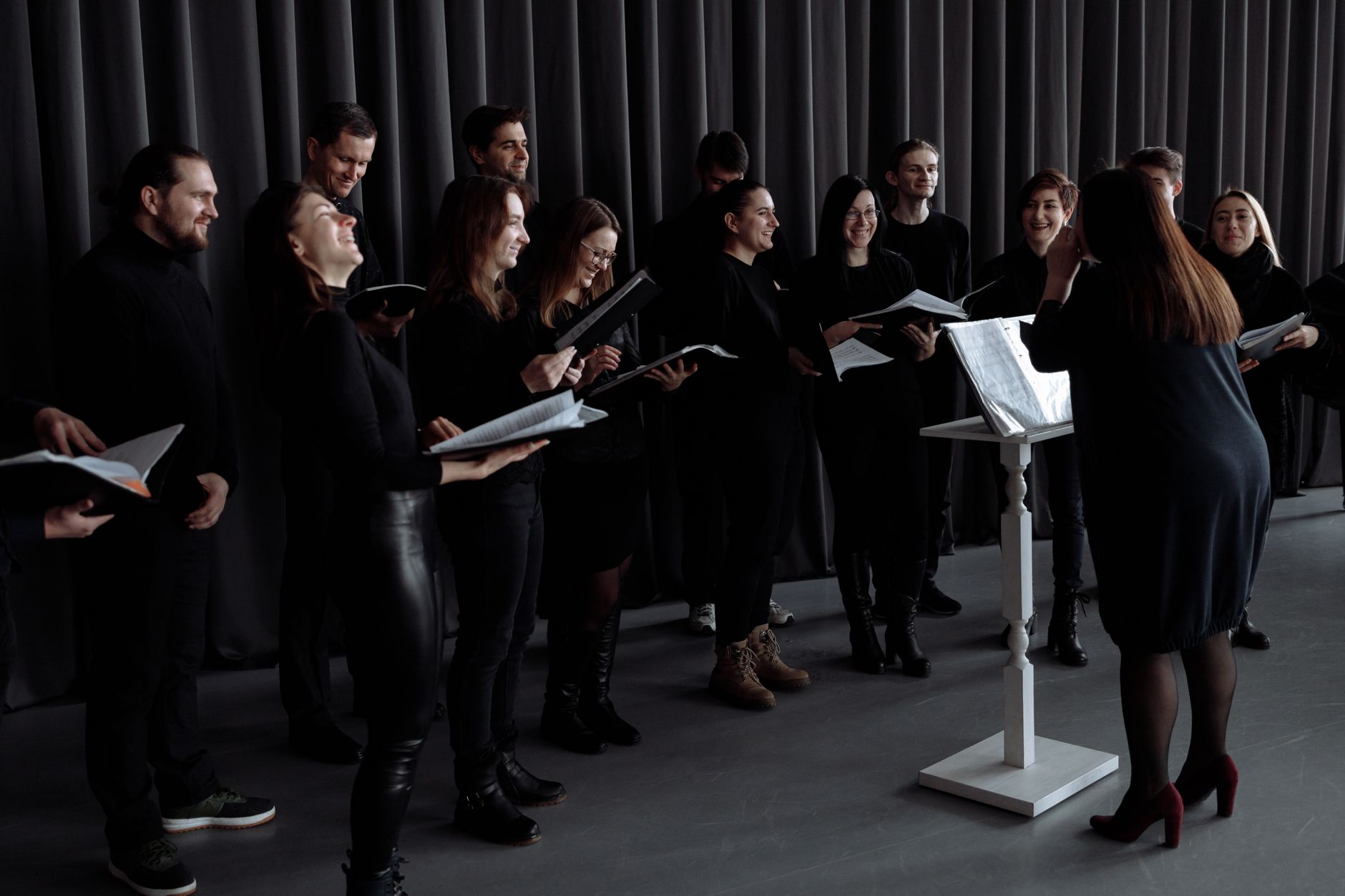
Fleet Options for a Detroit Church Choir Tour
For a Detroit church choir tour, the right vehicle depends on whether the real load is just singers or the full ministry team with luggage, robes, instruments, sound gear, and gift bags. A 15-passenger church van can work for a small leadership team, but groups in the 35 to 70 range usually need a mini-coach or full church motorcoach to keep everyone together on long interstate stretches. Driver-hours rules matter on 4 to 10 day church travel itineraries, especially when the schedule runs from Detroit to multiple cities and includes evening services, rehearsals, and overnight stops. Comfort also matters on I-75, I-94, I-96, and US-23 corridors because a cramped bus can turn a choir tour into a tiring ride before the first song is even sung.
| Vehicle | Seats | Best For | Notes |
|---|---|---|---|
| 15-passenger church van | 12-15 | Use it when the Detroit trip is local, the group is small, and the cargo load is light enough to fit without floor stacking or extra baggage support. In choir tour work, this usually fits only a small advance team, not the full singing ministry. | Best for a small Detroit church leadership team, a clergy pickup, or a limited church van rental run with light baggage and no major instruments. In many markets, the biggest comfort issue is limited cargo space, and the driver may need the right license and insurance setup for commercial church travel. |
| 28-passenger mini-bus | 24-28 | Use it for shorter Detroit church bus movements, rehearsal shuttles, or a compact tour roster with modest luggage. It can also work for feeder trips from suburban churches into downtown venues. | Good for mid-size congregation travel when the group needs more seats than a van but does not yet need a full coach. Cargo is still limited for robes, drums, and speaker cases, so the load plan must stay disciplined and the driver setup should match the vehicle class. |
| 40-passenger mini-coach | 36-40 | Use it for moderate-distance church coach travel, especially regional runs to Ohio, Indiana, northern Michigan, or nearby Midwest concert stops. It is often the sweet spot when the church wants a premium ride without booking the largest motorcoach. | A strong fit for Detroit church choir tours when the roster is in the 35 to 40 range and the group wants more comfort than a mini-bus. It offers better luggage and instrument capacity than smaller vehicles, but the load should still be reviewed carefully for robes, stands, and percussion gear. |
| 57-passenger motor coach | 47-57 | Use it for full choir-tour routing out of Detroit, especially when the trip spans several days and the group expects to sing, rest, and move equipment without splitting into multiple vehicles. For the longest corridors, it is usually the most practical faith-based group transportation choice. | The best all-around church motorcoach for a Detroit choir tour with 35 to 70 singers, directors, chaperones, and crew because it balances seating, underfloor storage, and long-haul comfort. This is usually the strongest option when the itinerary includes multiple cities, overnight hotel stops, and enough baggage to require real cargo room. |
Where Detroit Church Groups Go for Choir Tour
Detroit church groups planning choir tour transportation often start with nearby worship and event stops in the city itself, including Greater Grace Temple, Second Ebenezer, Perfecting Church, Fellowship Chapel, and Triumph Church, before heading out to regional concert or conference destinations. For Catholic and parish music travel, the Archdiocese of Detroit creates steady movement between parish campuses, schools, and retreat venues, while the Chaldean Catholic community in the western suburbs often organizes large family-and-ministry trips that need real luggage capacity. Many groups also move between Detroit and worship venues in Dearborn, Southfield, Livonia, and Warren, where parking, curb space, and service timing matter as much as the performance itself. When the route extends beyond the city, I-75 and I-94 are the main north-south and east-west workhorses for church travel to Toledo, Cleveland, and Chicago, while I-96 and US-23 carry many Detroit groups toward Lansing, Grand Rapids, and northern Michigan retreat stops. Choir tour planners should think in terms of both the concert venue and the post-service parking plan, because downtown Detroit, Midtown, and casino-adjacent districts can be tight for a church bus or church motorcoach. A good itinerary also leaves room for meal stops, load-in time, and a quiet place for directors to organize the next service set.
Detroit-area church choir tours often pair city worship stops with retreat centers and conference properties within a 4 to 6 hour drive, especially when the schedule includes rehearsal, testimony, and overnight lodging. St. Paul of the Cross Passionist Retreat and Conference Center in Detroit is a familiar Catholic retreat option, while FaHoLo Conference Center in Grass Lake serves many Christian conference and camp programs west of Detroit. Other frequent regional destinations for faith-based group transportation include camp and retreat properties across southeast and mid-Michigan, plus church conference hotels and university campuses that can host choirs, youth musicians, or diocesan events. Depending on the denomination, groups may choose lakeshore ministry destinations, Bible conference centers, or assembly-style retreats in Michigan, Ohio, and Indiana, all reachable from Detroit by I-94, I-96, US-127, or I-75. That routing is common for African American gospel choirs, suburban contemporary worship teams, Catholic parish music groups, and Chaldean and Eastern Christian congregations that travel as extended family units. Because many Detroit churches schedule concerts around Easter, Pentecost, fall revival season, and Christmas cantata weekends, the best vehicles are usually reserved early for the busiest church calendar windows. The most successful church bus plans are built around the service schedule, not just the highway miles, so the group arrives ready to sing rather than rushed off the road.
Multi-Day Routing From Detroit
Detroit choir tour routing has to respect driver hours-of-service, because a 4 to 10 day church trip can easily turn into a fatigue problem if each service runs late and the next city is still several hours away. A well-built church travel plan should show when the bus is moving, when it is parked, and where the driver will sleep on overnight legs. That matters on corridors like I-75 south toward Toledo and Cincinnati, I-94 west toward Chicago and Indiana, and I-96 or US-23 toward western Michigan retreats and camps. If the itinerary includes multiple cities, the dispatcher should cluster performances so the church coach is not forced into long end-of-day dead runs. Fuel and rest stops should be planned where a motorcoach can enter and exit safely without tight downtown turns or low-clearance surprises. The route should also give the driver enough time to stage at the venue before the choir starts to unload robes, stands, and percussion. In church group transportation, on-time arrival is not just a convenience; it affects sound check, prayer, and the worship schedule.
On arrival, Detroit church groups should expect that parking and unloading may be the hardest part of the day, especially at urban churches, retreat centers, and hotel campuses with limited bus space. Host ministries should be told in advance whether the vehicle is a church van rental, mini-bus, mini-coach, or full church motorcoach, because each one needs a different curb and parking plan. Churches near downtown Detroit, Midtown, and older sanctuary districts may need off-site bus parking or an escort for the load-in, while suburban campuses in Southfield, Livonia, Dearborn, and Warren may have easier staging but still need coordination. Airport pickups at DTW are smoother when the reservation includes the terminal, flight number, and a meeting point that matches the charter vehicle flow. The same is true for conference centers and camps, where the host ministry may ask the bus to wait in a separate lot until the choir is cleared to unload. If the trip includes a hotel stay, the hotel should confirm motorcoach parking before the group checks in, because not every property can take a long vehicle. Detroit church travel works best when the bus company, host church, and hotel all share the same arrival order and contact list.
What This Typically Costs From Detroit
Detroit church choir tour pricing usually depends on mileage from the pickup point, the number of live service days, and whether the bus sleeps away from home or returns to base each night. A 4 to 10 day church travel itinerary out of Detroit often carries separate line items for deadhead mileage, driver lodging on overnight legs, parking at hotels and venues, tolls, and added hours when choir rehearsals or late services push beyond the original schedule. Off-peak weekday ministry travel is usually easier to price than summer weekends, holiday cantatas, or homecoming season, when demand is tighter around Detroit, Dearborn, Southfield, and the airport corridor. Many quotes also include a deposit at booking, a balance due before departure, and an allowance for per-hour or per-mile overage if the church coach is kept beyond the plan. For a multi-city choir tour, the most efficient price usually comes from a clear route plan, firm headcount, and an accurate load list for robes, risers, keyboards, drums, sound gear, and luggage.
What Detroit Ministry Leaders Usually Ask
What size bus should a Detroit church use for a choir tour?
For a Detroit choir tour, the best fit is usually a 57-passenger motor coach when the group includes 35 to 70 singers, directors, and crew plus luggage and instruments. That size keeps the full ministry group together on long interstate legs and usually gives the most comfortable ride for 4 to 10 day church travel. If the roster is smaller or the load is light, a mini-coach can sometimes work, but choir robes and instrument cases often push Detroit groups toward a full church motorcoach. The safest way to choose is to match the seated headcount to the cargo list, not just the singers alone.
Which Detroit highways matter most for choir tour routing?
Most Detroit church groups should plan around I-75, I-94, I-96, I-275, I-696, and US-10 when a choir tour leaves town for regional stops. Those corridors matter because they connect Detroit to Toledo, Lansing, Grand Rapids, Kalamazoo, Ann Arbor, Cleveland, Buffalo, and Chicago, and they also shape timing for traffic, fuel stops, and overnight checkpoints. Route plans should avoid last-minute downtown congestion near Greektown, Midtown, and the sports district when there is an evening service or concert. A good church bus plan leaves extra time for parking and unloading, especially when the host church has a tight lot or a shared campus.
How should a Detroit choir tour handle airport transfers at DTW?
Detroit Metropolitan Wayne County Airport, commonly called DTW, is the main commercial airport for airport transfers, guest musicians, and fly-in directors. For charter bus movements, choir groups should expect ground-transport coordination at the airport terminals and allow extra time for loading because church groups often travel with robes, cases, and carry-ons. If the itinerary includes a pickup or drop-off near the airport, the dispatcher should know the airline, terminal, and whether the group is arriving at McNamara or Evans. That helps avoid delays when a church coach meets a flight schedule during a busy ministry travel weekend.
Why is Detroit such a strong market for church choir transportation?
Yes, several Detroit-area churches and church traditions shape how choir tours are planned. Historic Black congregations such as Greater Grace Temple, Second Ebenezer, Perfecting Church, Fellowship Chapel, and Triumph Church often send large choirs, youth music ministries, and praise teams that need coordinated congregation travel rather than simple point-to-point shuttles. The Archdiocese of Detroit also creates steady demand for youth choirs, parish music programs, and Catholic conference travel, while many Chaldean Catholic and Eastern Christian communities in the western suburbs organize multi-generation trips with substantial luggage. That mix makes Detroit a strong market for flexible church bus, church coach, and church van rental planning.
Do Detroit church groups need driver lodging on a choir tour?
For overnight choir tours from Detroit, the driver usually needs a hotel room on any day when the schedule cannot return the vehicle home within hours-of-service limits. A 4 to 10 day itinerary with multiple cities often works best when the route is built so the church motorcoach finishes near a hotel cluster with safe parking and quick highway access. Churches should also confirm whether the host venue can provide bus parking, unloading space, and a contact person for late arrivals. If the route includes long interstate stretches, the operator should build in rest stops and meal breaks so the choir arrives ready to sing rather than worn down by the ride.
Where do Detroit church choir tours usually stay or perform overnight?
Detroit churches commonly use retreat and conference locations such as St. Paul of the Cross Passionist Retreat and Conference Center in Detroit, FaHoLo Conference Center in Grass Lake, and other regional camp and conference properties within a few hours of the city. Depending on denomination and event style, groups may also head to lakeside retreat properties, seminary campuses, or Catholic and Protestant conference centers in southeast and mid-Michigan, often reached by I-94, I-96, or US-127. Choir tours sometimes pair a concert stop with a retreat night so the group can sing for a host congregation and then stay onsite or at a nearby hotel. That pattern works well for ministry travel because it keeps arrivals and departures organized for the full choir and the instrument crew.
What should a Detroit church have ready before requesting a choir tour quote?
The best booking file includes the Detroit pickup address, headcount, age mix, instrument and luggage count, all show dates, and each city on the route. For choir travel, the dispatcher also needs to know whether the group is carrying drums, keyboard stands, audio gear, uniforms, risers, coolers, or mission supplies, because those items change vehicle selection. A clean quote should spell out mileage, driver lodging, parking, tolls, deadhead, and any extra hours for rehearsals or late services. If the church is leaving from Midtown, the west suburbs, or near the airport corridor, that pickup detail helps produce a faster and more accurate church group transportation quote.
How to Book Your Detroit Church Choir Tour
To book Detroit church group transportation for a choir tour, gather the pickup address, dates, number of singers and crew, luggage and instrument count, and every planned stop on the route. It also helps to note whether the church needs airport transfers, hotel shuttles, or a late-night return after a concert or revival service. A strong quote usually comes back within 4 business hours when the route is clear and the load is described well. Before confirming, check that the quote shows vehicle size, mileage or hourly basis, driver lodging if needed, parking assumptions, and any extra charges for overage or deadhead.
Related Church Transportation Pages
- Atlanta, GA: Choir Tour church bus in Atlanta
- Cincinnati, OH: Choir Tour church bus in Cincinnati
- Grand Rapids, MI: Choir Tour church bus in Grand Rapids
- Other Detroit church trips: Detroit Mission Trip charter bus
- Other Detroit church trips: Detroit VBS Field Trip charter bus
- Other Detroit church trips: Detroit Mission Trip charter bus
- Fleet overview: All church bus sizes and configurations
- Free quote: 60-second church group charter bus quote